
A New York court reviews Saudi immunity in a 9/11 lawsuit as an ICE agent faces new scrutiny over his past conduct.
A New York court is hearing arguments about Saudi Arabia's role in the 9/11 attacks. Families of victims seek justice in a long legal battle. Meanwhile, a different incident involving an ICE agent creates new public concern.
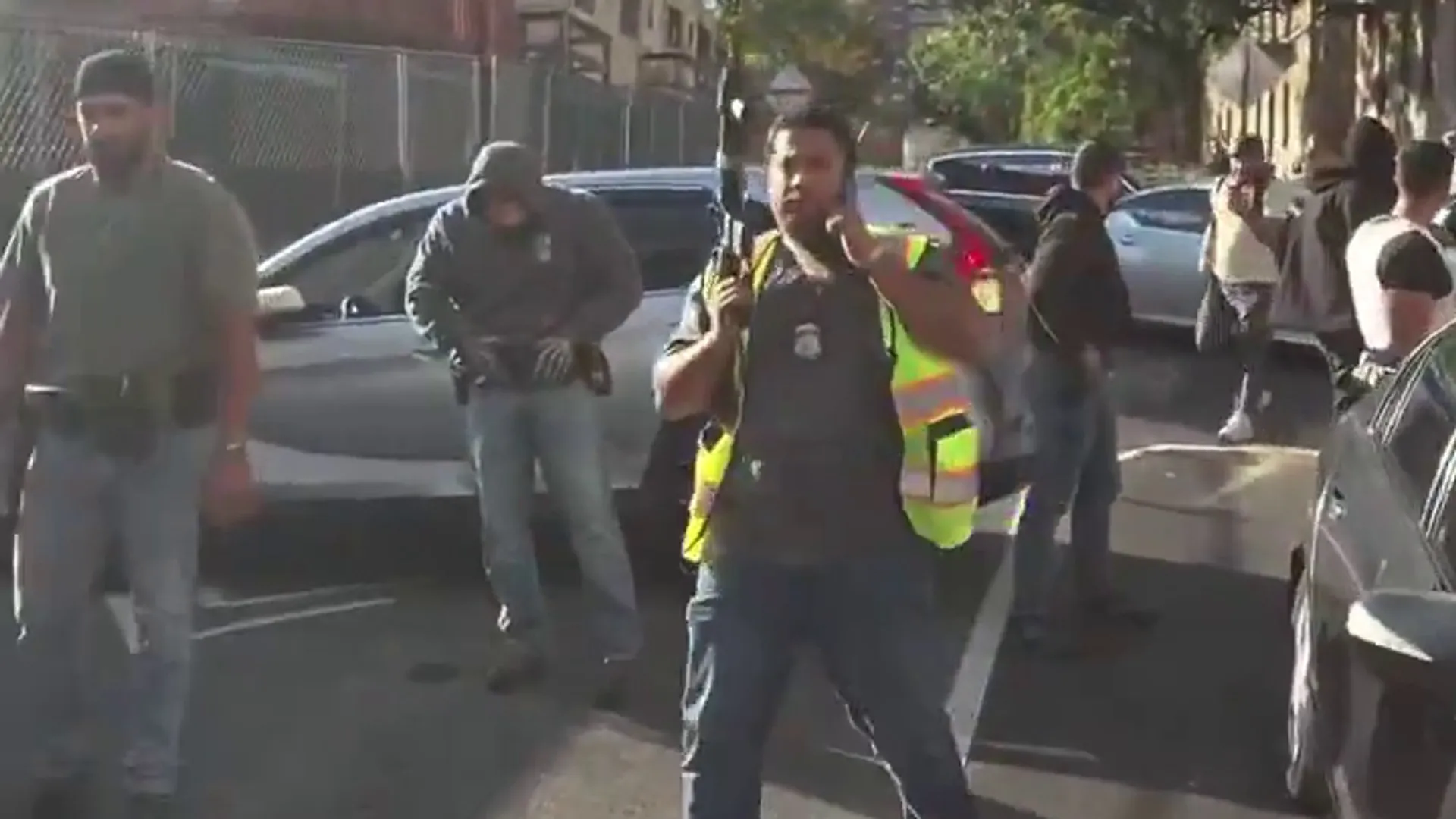
The agent appeared at a recent shooting in New York. People identified him from a past controversial arrest in Minneapolis. That previous case involved a pregnant woman and sparked significant public anger.
Why this matters
These two stories show how public trust in government agencies shifts over time. The 9/11 case tests the limits of foreign immunity. It asks if a nation can face legal action for terrorism.
Also, the ICE controversy highlights how past actions follow law enforcement officers. Accountability remains a central theme in both legal and public debates. Citizens watch these events closely to see how systems manage such power.
Legal proceedings regarding 9/11
Lawyers for 9/11 families argue that Saudi Arabia supported the hijackers. They point to Omar al-Bayoumi as a key figure. They claim he worked for the Saudi Ministry of Islamic Affairs.
However, Saudi Arabia denies any link to the attacks. Their lawyers claim the state holds immunity from U.S. court cases. They ask the Court of Appeals to reverse a lower court decision.
Next, the court must decide if the case can proceed to a full trial. Families spent years lobbying Congress to change the law. They want the chance to hold the kingdom accountable in court.
ICE agent faces past accusations
A supervisor recently carried a rifle at a shooting scene in New York. Observers quickly linked him to a harsh arrest in Minneapolis. That incident involved officers kneeling on a pregnant woman during a struggle.
Then, reports confirmed the identity of the agent. This revelation adds pressure to federal agencies. Critics argue that past behavior should prevent certain agents from holding sensitive roles.
After that, the public raised more questions about oversight. Officials have not yet addressed these specific concerns in detail. Many wait to see if the agency launches an internal investigation.
How we got here
- 2001: Hijackers crash four planes, killing nearly 3,000 people.
- 2002: Families file the initial lawsuit against Saudi Arabia.
- 2016: Congress passes JASTA, allowing civil claims against foreign states.
- December 2025: An ICE agent participates in a controversial arrest in Minneapolis.
- August 2025: A Manhattan court rules that the 9/11 case can move toward trial.
- October 2026: An ICE supervisor appears at a shooting in New York while under scrutiny.
What happens next
The Court of Appeals will likely weigh several options. One path involves sending the case back to a lower court. Judges want more concrete facts before making a final ruling.
Meanwhile, the ICE situation may lead to new internal reviews. Federal agencies often face pressure when agents become the subject of news reports. Independent oversight groups will likely continue to track the officer's history.
Finally, both legal and personnel issues will shape public opinion. The 9/11 families will keep fighting for their day in court. Accountability remains the primary goal for those seeking answers.