
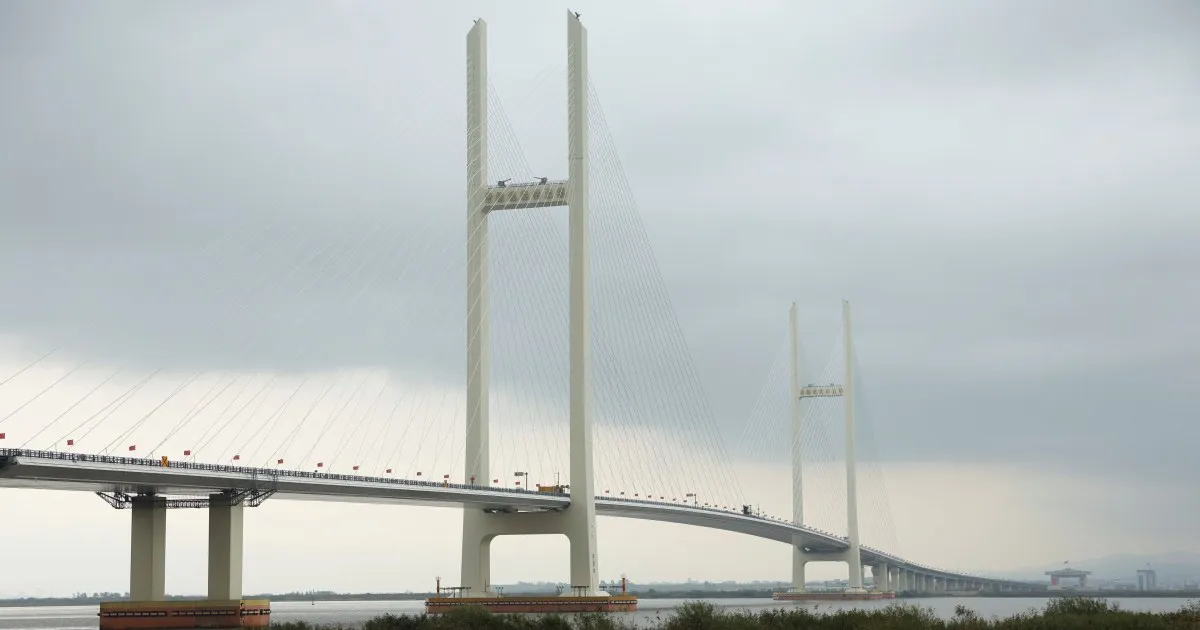
China and North Korea have opened a new bridge, but experts doubt it will significantly boost trade due to sanctions and political hurdles.
China and North Korea recently opened the New Yalu River Bridge. Leaders from both nations praised the project as a major step for trade. They believe it strengthens their diplomatic bond.
However, many experts remain skeptical about the project. They argue that international sanctions limit real economic growth. North Korean officials also prioritize national security over trade development.
Meanwhile, China remains North Korea's largest trading partner. It accounts for nearly all of the country's official trade. The new bridge replaces an older, limited crossing from 1943.
Also, the new structure allows for heavier vehicles. Some analysts suggest this could increase the transfer of restricted goods. It provides a more modern path for cross-border logistics.
As a result, trade volumes between the two countries have risen recently. Statistics show growth of 25 percent in 2025. Still, these numbers remain small compared to global commerce levels.
Next, observers note that politics drive this economic engagement. The bridge project faced many delays over the last twelve years. North Korean authorities often paused work during times of tension.
Then, researchers point out that past joint projects frequently failed. North Korea often treats trade as a tool for foreign policy. It does not always seek broad economic reforms.
Finally, experts doubt the bridge will change lives for average citizens. North Korea wants economic benefits without losing control to Chinese influence. Security concerns will likely continue to guide their trade decisions.