

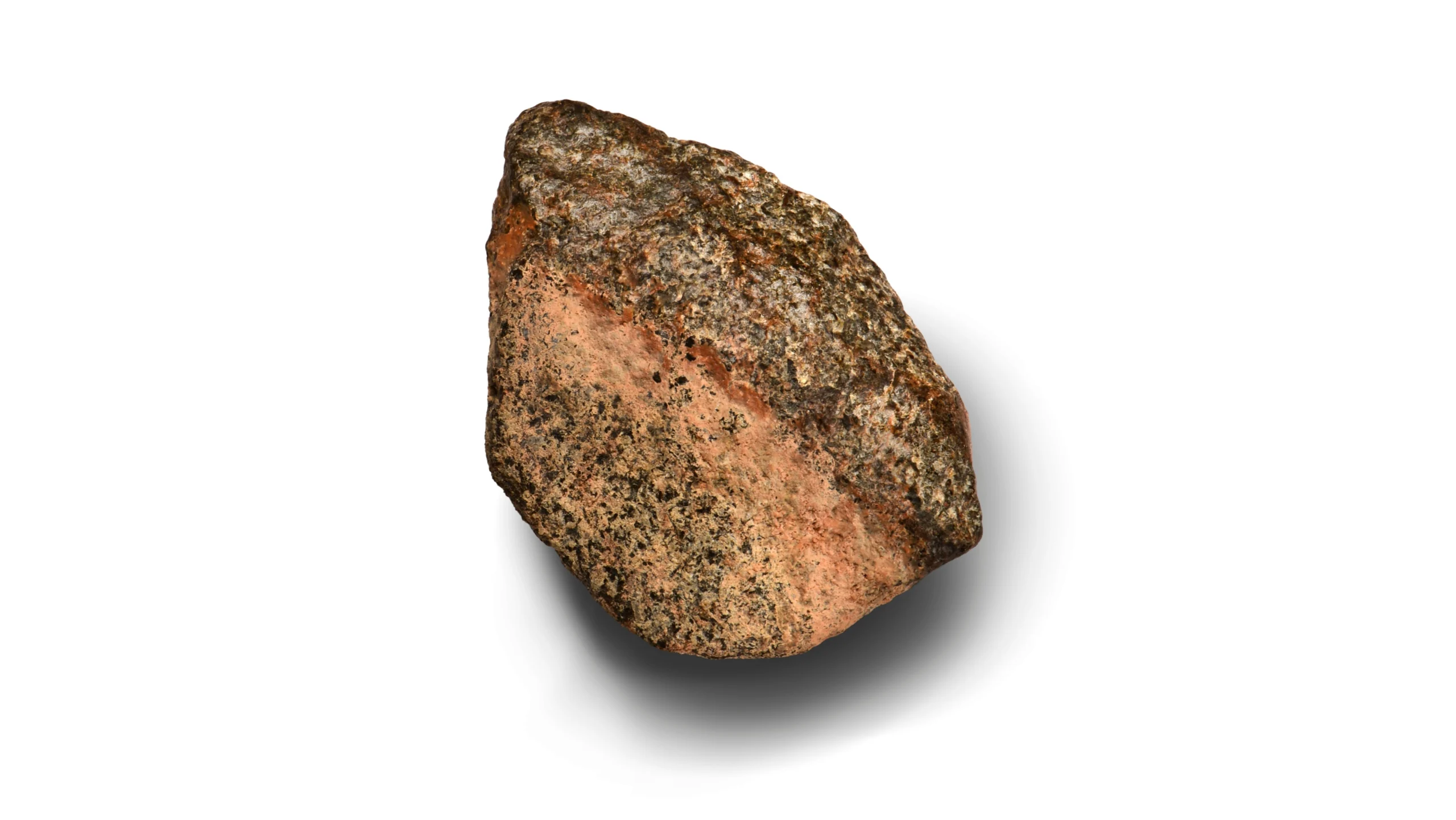
A NASA-funded study identifies a 4.1-billion-year-old Martian meteorite found in the Sahara. It provides new clues about the early history of Mars.
Scientists recently studied a rose-colored rock found in the Sahara Desert in 2022. NASA-funded experts determined the nearly two-pound stone came from Mars. It formed over 4.1 billion years ago, making it one of the oldest Martian meteorites ever discovered.
Researchers named the rock Teghaza 001. It takes its name from the salt plain in Mali where collectors found it. This meteorite offers a rare look at the ancient crust of Mars.
Next, the team published their initial findings in the journal Science. They believe this rock acts like a Rosetta Stone for Martian history. It helps explain how water and rocks interacted on the early planet.
Also, the meteorite features a unique mix of volcanic minerals. It tells a clear story of how the planet’s crust cooled from magma. Later, subsurface water changed the rock’s structure.
Meanwhile, the mineral makeup matches data from NASA’s Mars Reconnaissance Orbiter. The orbiter observed similar rocks in the southern highlands of Mars. This suggests the meteorite likely originated from that specific region.
After that, scientists used a new age-dating method to study the sample. They analyzed tiny mineral grains smaller than a fingernail. This technique provides extreme precision while preserving the rest of the rare rock.
Still, the researchers were shocked by the results. The rock shows signs of water alteration from 4.1 billion years ago. This suggests the early Martian environment was very active.
Finally, the team continues to study this unique Martian sample. They believe this is only the beginning of what we can learn. Future research will likely reveal more secrets about the Red Planet.