

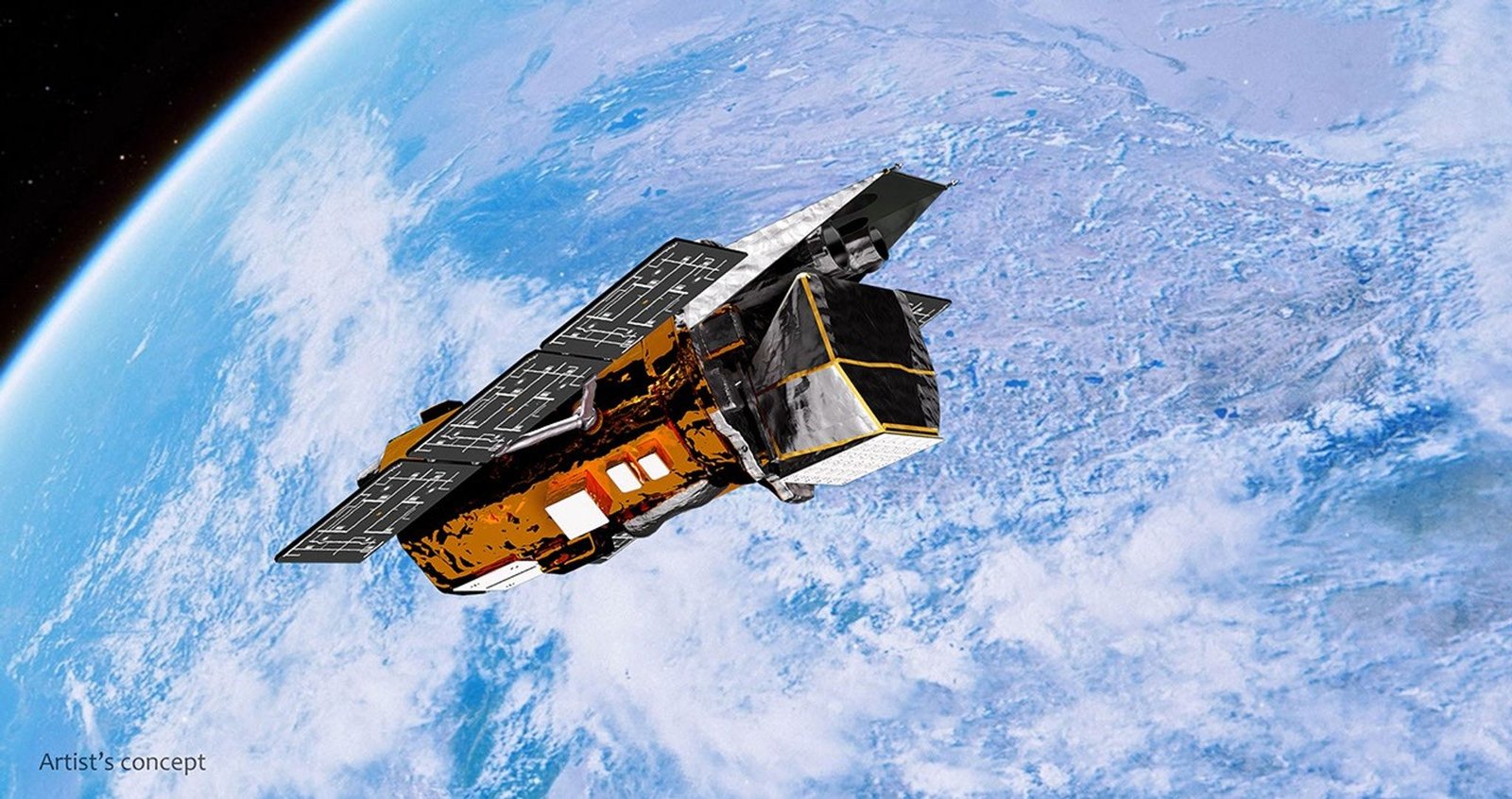
NASA has retired the Neil Gehrels Swift Observatory after two decades of studying powerful cosmic explosions and gamma-ray bursts.
NASA officially ended the science mission for the Neil Gehrels Swift Observatory. The spacecraft now orbits too close to Earth. It sits less than 171 miles above the surface. This low altitude creates too much atmospheric drag for the telescopes to track targets.
Next, the satellite will re-enter the atmosphere. This should happen in the coming weeks. The mission performed its final observation on October 20. It lasted much longer than its original two-year design.
Also, the observatory provided a massive return on investment. It spent years studying the changing universe. NASA leaders praised its role in revolutionizing modern astrophysics. The mission taught experts how to respond quickly to cosmic events.
However, the work does not stop here. NASA plans to use other space telescopes to fill the gap. They are also looking at commercial options for future missions. The vast archive of data will help scientists for many decades.
During its long career, Swift observed over 2,000 gamma-ray bursts. These are the most powerful explosions in space. It also studied 1,400 supernovas and monitored active galaxies. Scientists published about 7,000 papers using this data.
Then, the team designed the satellite to study fast outbursts. It could detect a burst and alert other observatories. The spacecraft turned its telescopes toward targets in about one minute. This speed was vital for capturing fading light.
Additionally, the mission launched in November 2004. NASA later renamed it to honor Neil Gehrels. He served as the first principal investigator for the project. The observatory used unique X-ray and ultraviolet telescopes.
Finally, the mission proved that neutron stars cause short gamma-ray bursts. These objects contain the mass of the Sun in a small space. The Swift archive remains open to the public today. It holds 12 terabytes of valuable cosmic information.