

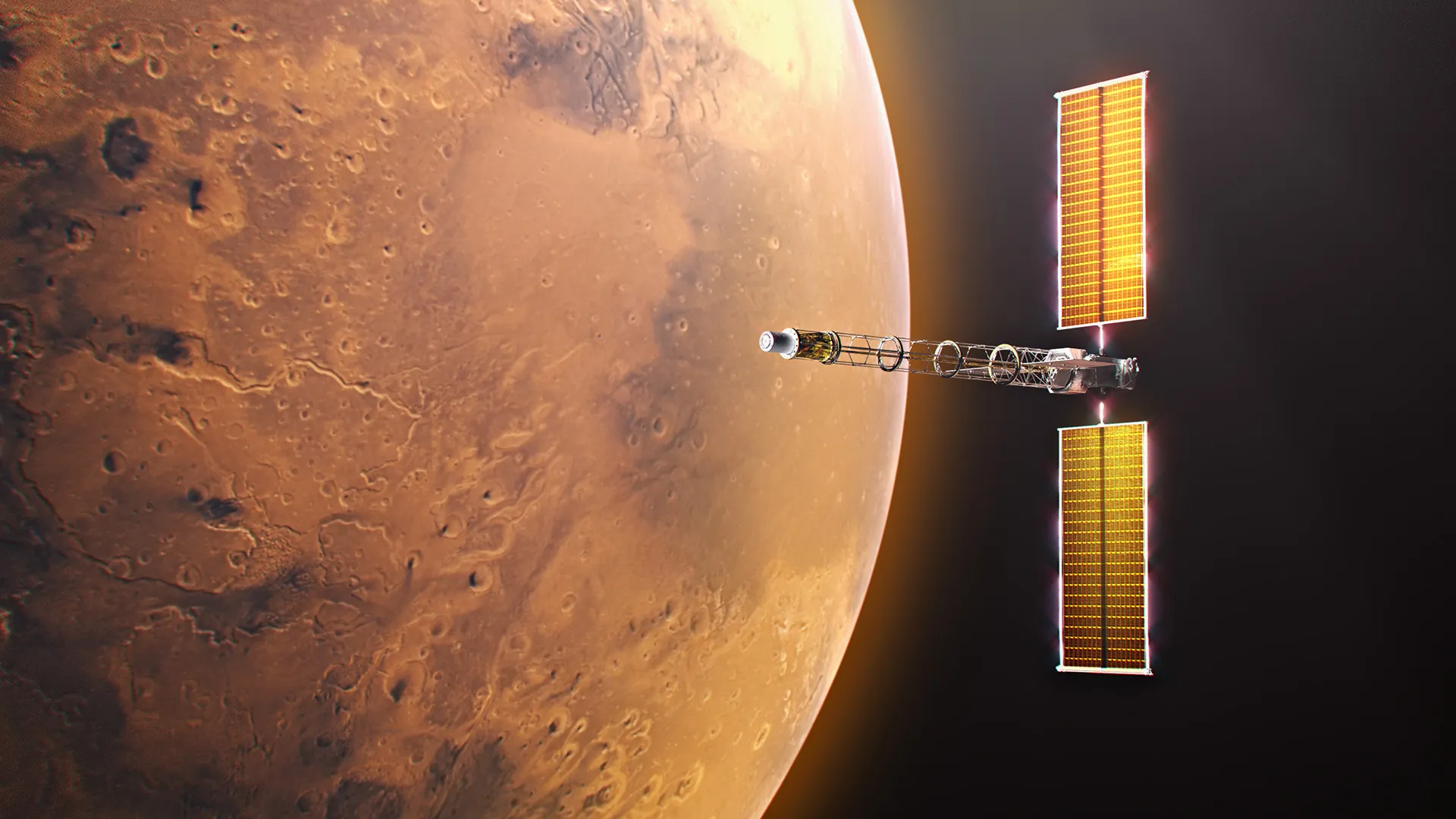
NASA is moving forward with the SR-1 Freedom mission, a fission-powered spacecraft designed for deep space exploration and a 2028 launch.
NASA continues work on the Space Reactor-1 Freedom project. This spacecraft will travel into deep space using nuclear fission power. It represents a major step for future exploration beyond Earth's orbit.
Next, NASA and its partners finalized new contract agreements. These steps help lower technical risks for the team. They also keep the project on schedule for a 2028 launch date.
Also, Sierra Lobo Inc. will build the power conversion system. This system uses a closed Brayton cycle. It turns heat from the nuclear reactor into electricity for the craft.
Meanwhile, the Department of Energy’s Idaho National Laboratory designs the fission reactor. They will join this reactor with the conversion system. Together, these parts form the complete nuclear power module.
Furthermore, safety remains a top priority for the agency. NASA and the Department of Energy use strict design standards. Experts perform regular safety reviews and oversee every step of development.
As a result, the reactor stays inactive while on the ground. It will only turn on after the craft leaves Earth’s orbit. This process protects the crew and the environment during launch.
Finally, the spacecraft will carry the SkyFall science mission. This mission includes three advanced Mars helicopters. These drones will search for water and collect data on the red planet.
After that, the mission will demonstrate new exploration tools. It will also help future projects on the Moon. These fission systems will provide power when sunlight is not available.
Now, NASA continues to build a strong foundation for space travel. The SR-1 Freedom project helps prepare humanity for long journeys. It moves the agency closer to a new era of space nuclear energy.