

Military operations across the West Bank, Gaza, and Lebanon have led to mass displacement and the widespread destruction of residential homes.
Israeli military forces continue to displace thousands of Palestinians across the occupied West Bank. In Hebron, soldiers ordered residents to leave their homes suddenly late at night. Families fled with only the clothes they wore. The military now uses some of these houses as outposts.
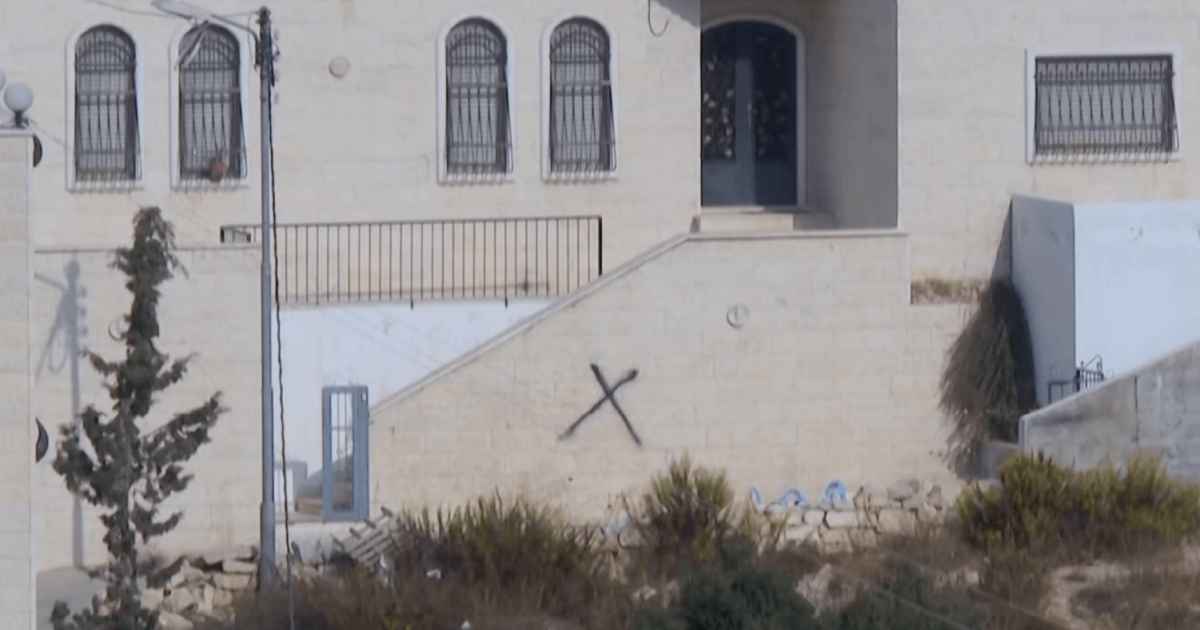
Meanwhile, the UN reports that nearly 5,000 people left their homes in Hebron within one week. This follows a deadly incident near a local checkpoint. Authorities have marked many empty houses with a black X. Officials describe these actions as collective punishment.
Also, these events follow years of building demolitions in the region. Israel often cites a lack of permits to justify destroying structures. Many Palestinians struggle to obtain these legal documents. Consequently, thousands have lost their homes over the last decade.
Next, the situation mirrors earlier military campaigns in Jenin and Tulkarem. Operations there destroyed half of the residential buildings in several camps. More than 34,000 refugees remain displaced today. Many families lost everything during these intense raids.
Furthermore, researchers found evidence of systematic destruction in these areas. Armored bulldozers and air strikes leveled entire streets and gardens. Military vehicles now use these cleared paths to navigate. Experts say these tactics resemble those used in Gaza.
Then, the scale of destruction in Gaza remains even larger. Satellite data shows that over 80 percent of all buildings are damaged. Most families now live in tents or broken structures. They suffer without clean water or basic sanitation.
Additionally, southern Lebanon faces a similar crisis. Satellite imagery confirms over 31,000 buildings were destroyed or damaged there. Hundreds of thousands of people have fled their homes. Many residents fear they have nothing left to return to.
Finally, international leaders express deep concern regarding these patterns. Some officials warn that erasing entire neighborhoods creates a risk of ethnic cleansing. Families across the region face an uncertain future. They wonder if they will ever have a home again.