
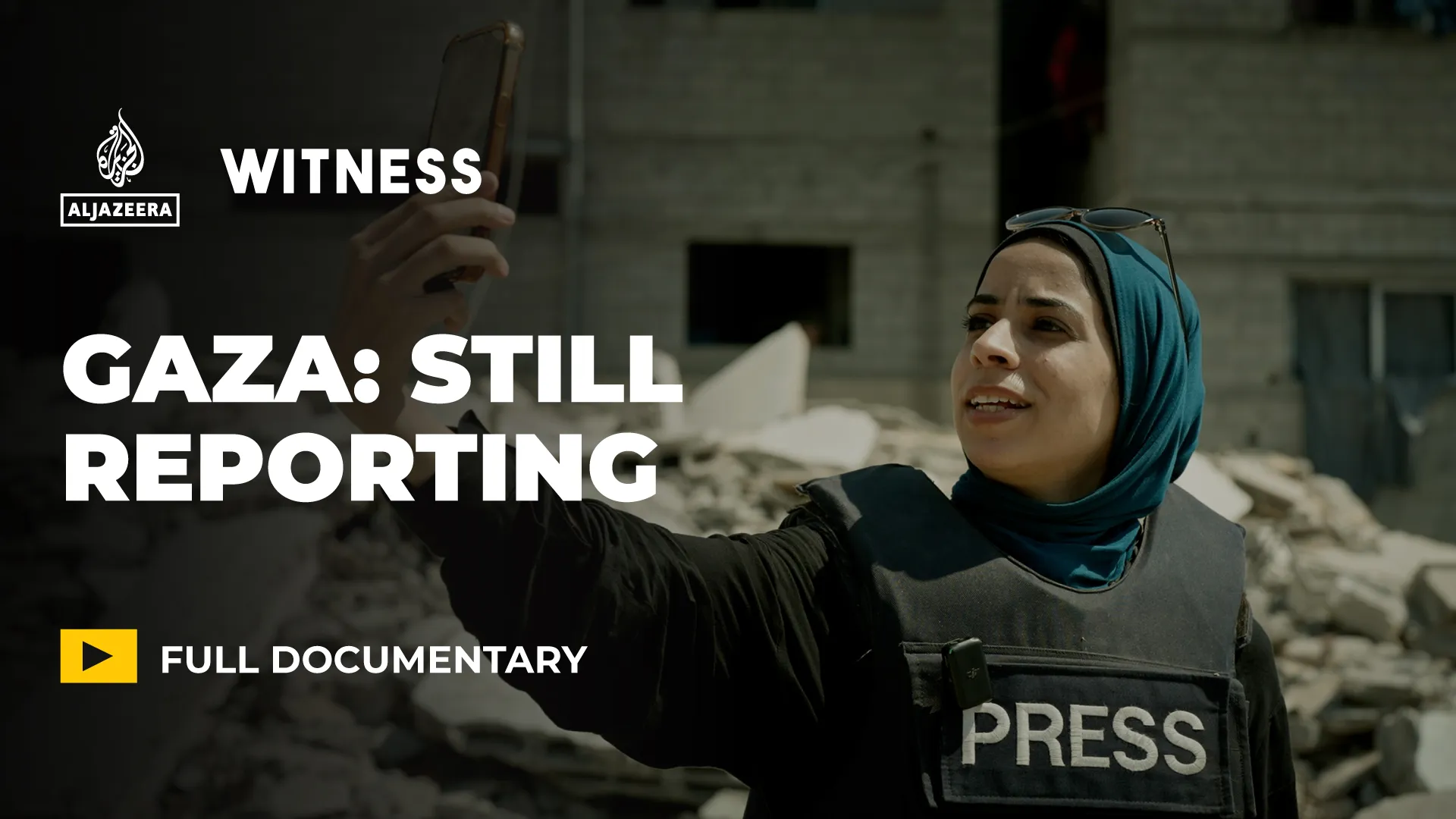
A commercial flight faces a mid-air crisis while journalists in Gaza struggle to report on the war under strict government bans.
A recent flight from Dubai to Tel Aviv ended with an emergency landing in Saudi Arabia. One pilot allegedly attacked the other in the cockpit. This incident highlights the growing instability in the Middle East region today.
Meanwhile, reporters inside Gaza continue to document the ongoing war. Journalists face extreme danger while covering the conflict. They also deal with limited access to resources and the constant threat of displacement.
Why this matters
This situation shows how quickly violence can spread across borders. A single act of aggression in the air creates fear for travelers everywhere. Safety protocols for air travel may now face new, stricter reviews.
Also, the struggle for information remains a major issue. Reporters on the ground in Gaza provide the only view of the humanitarian crisis. Without them, the world might ignore the plight of civilians facing starvation.
Finally, these events show the deep divide in the region. Political tensions often impact ordinary people in violent ways. Each new incident makes a peaceful solution harder to reach.
A Dangerous Crisis at 30,000 Feet
The trouble began on a Flydubai flight carrying over 170 people. Most of the passengers were Israeli citizens heading home. An Omani pilot allegedly stabbed his colleague during the flight.
Then, the plane dropped 17,000 feet in just two minutes. Passengers and crew members rushed to the cockpit to stop the attack. They managed to overpower the suspect and land the plane safely.
After that, Saudi authorities took the suspect into custody for questioning. Israeli officials called the event a terror attack. However, investigators have not yet confirmed the exact motive behind the violence.
Reporting Under Siege
Journalists like Maram Humaid work while their own families face forced evacuations. They document the war while struggling to find food and safety. Many reporters have lost their colleagues in the crossfire.
Next, the Israeli government continues to ban international media from entering Gaza. This limits the number of outside witnesses to the war. Legal challenges to this ban currently face significant delays in court.
Meanwhile, experts say that famine has been averted for now. Still, many Palestinians face severe hunger and starvation daily. The situation remains desperate for those who choose to stay in their homes.
How we got here
- Early 2026: The conflict in Gaza intensifies, leading to strict media access bans.
- Ongoing: Palestinian journalists continue to document the war despite the risks to their lives.
- Wednesday Morning: A Flydubai flight takes off from Dubai headed for Tel Aviv.
- Wednesday Mid-day: A pilot stabs his colleague, leading to an emergency landing in Saudi Arabia.
- Thursday: Israeli leaders praise the passengers who helped stop the plane crash.
What happens next
Saudi authorities will likely continue their investigation into the flight attack. They must determine if the pilot acted alone or with a group. This could lead to new security rules for pilots on international flights.
Also, the legal battle over media access in Gaza will likely persist. Press freedom groups will keep pushing for entry into the territory. Courts will eventually decide if the ban can stand.
Finally, the humanitarian situation in Gaza will remain a central concern. Aid groups will monitor for any signs of spreading famine. The world will watch to see if the suffering of civilians finally eases.