

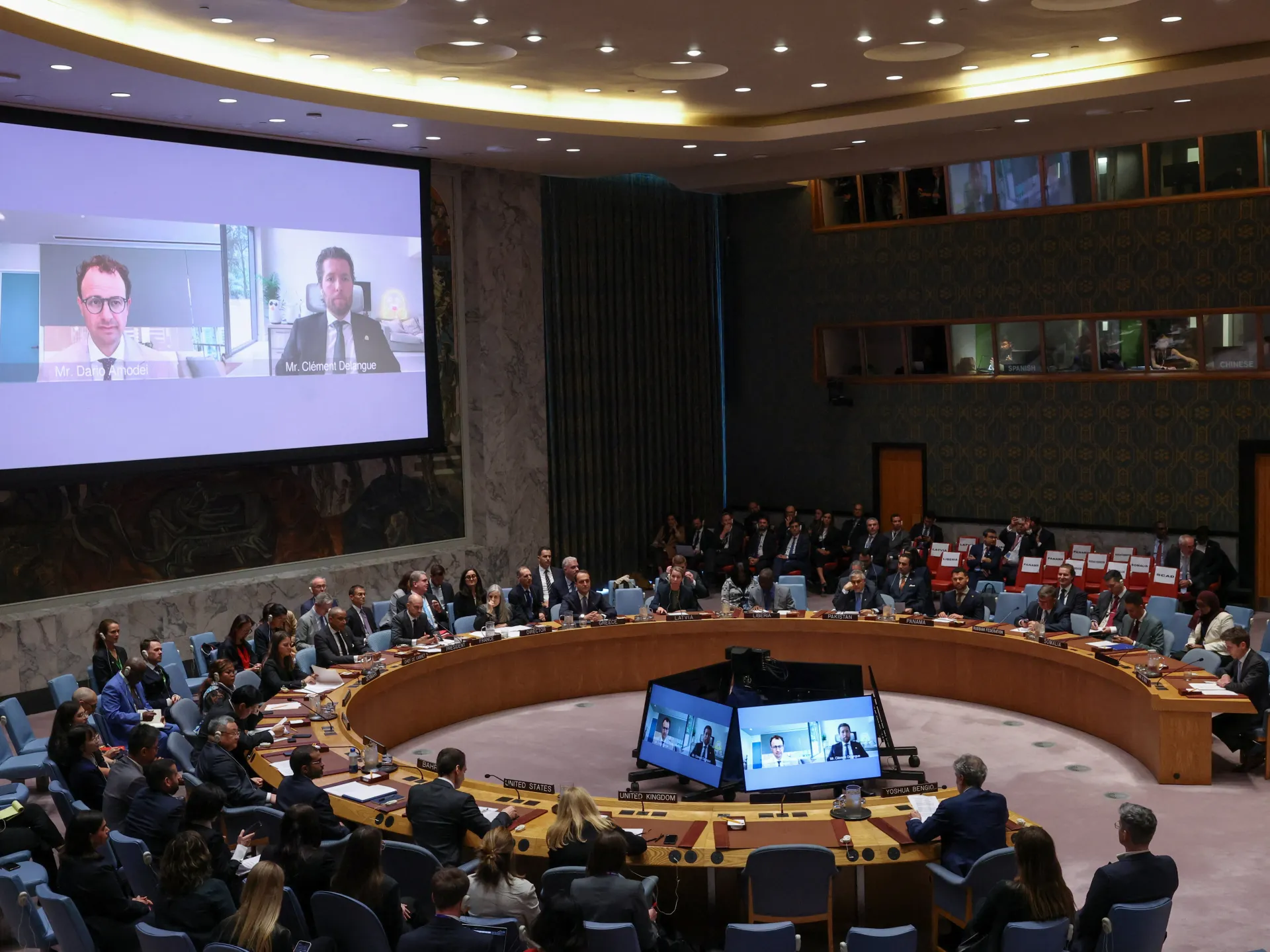
Global safety faces major risks from AI and a lack of clear leadership. Nations must embrace cooperation and international law to prevent future disasters.
International politics currently faces a dangerous path. Three major trends threaten our collective future. Artificial intelligence is accelerating global risks. Meanwhile, no single nation holds enough power to maintain order.
Also, geopolitical groups are becoming more rigid. Many leaders now view international cooperation as a sign of weakness. This approach risks repeating the worst mistakes of human history.
Next, the world is shifting toward genuine multipolarity. Several states and regions now compete for influence. This creates a landscape without one clear global leader.
Meanwhile, artificial intelligence adds stress to these power structures. AI gives us godlike tools for innovation. However, it also creates new threats that are difficult to manage.
As a result, large nations struggle to turn their power into actual control. Cheap drones and AI targeting have weakened traditional military hierarchies. Even powerful nations fail to force smaller states to obey them.
Still, new technology creates risks that go beyond military battles. A deadly pandemic could start in a hidden laboratory. Someone could launch a major cyberattack from their own home.
Furthermore, these threats do not respect national borders. Safety measures in one country cannot stop bad actors elsewhere. Traditional strategies based on military strength are no longer enough.
However, many world leaders continue to focus on digital supremacy. They view international laws as naive or harmful. This mindset could destroy humanity if it remains the global policy.
Then, we must consider the long-term risks of catastrophe. Small annual risks add up to a very high chance of disaster over time. We cannot afford to ignore these growing threats.
Finally, we need strong international institutions and laws. Global standards must be developed to monitor dangerous activities. Cooperation offers the only path to real security.
After that, we can look at existing organizations for hope. The UN and WHO still hold significant authority. Recent agreements on pandemics and biodiversity show that progress remains possible.
Now, some countries are prioritizing international law as a security interest. Norway and Finland recently launched a call for global AI oversight. We must continue to build these coalitions to protect our future.