

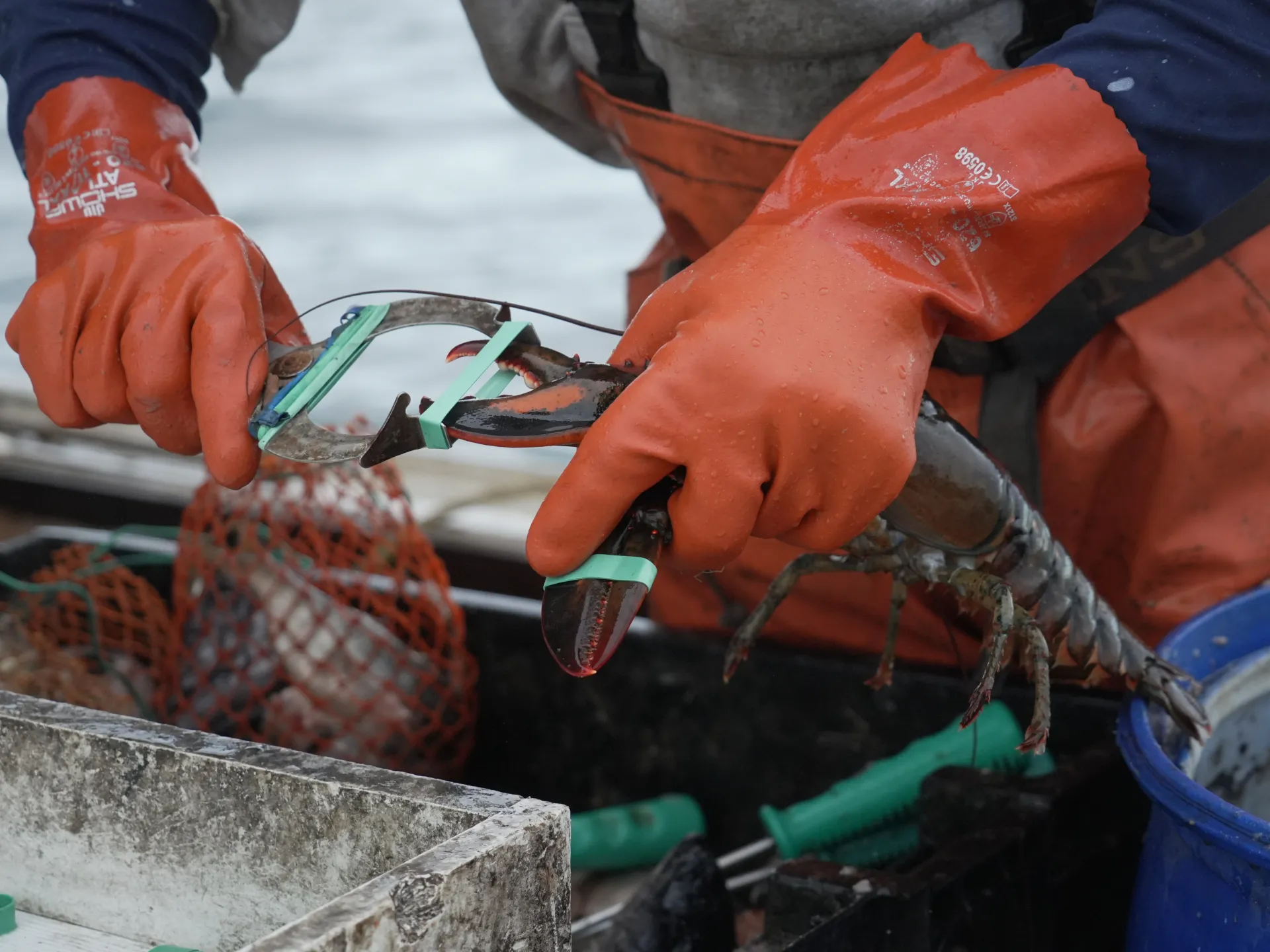
Maine lobster fisherman David Horner and his peers face political uncertainty as the midterm elections approach.
David Horner dedicates his life to the lobster trade. He works in the cold North Atlantic waters off Maine. For fifty years, he has hauled crustaceans from the sea every single day.
After he reaches the shore, he unloads his catch. Trucks then take the lobsters to various processing facilities. These companies prepare the seafood for wide distribution.
Soon, the lobsters travel to restaurants across the globe. This long process supports many local families in Maine. It remains a vital part of the state economy.
However, the industry currently faces difficult political headwinds. These challenges arrive right before the upcoming United States midterm elections. Many workers feel the impact of this climate.
Also, the lobster business deals with complex national policies. These rules change how boats operate in the ocean. Fishermen must adjust their daily routines to follow new laws.
Next, the political environment creates uncertainty for boat captains. They worry about the future of their traditional way of life. Many fear that regulations might threaten their livelihoods.
Meanwhile, candidates discuss these issues on the campaign trail. They want to win support from coastal communities. The lobster industry plays a key role in these local debates.
After that, voters consider how these policies affect the maritime sector. They look for leaders who protect their economic interests. The election results will likely shape future industry rules.
Finally, the hard work continues for people like David Horner. He still heads out to sea regardless of the political noise. He remains committed to his long-standing career on the water.
In short, the Maine lobster trade navigates both rough seas and tough politics. The industry hopes for stability as the election nears. Its future depends on upcoming policy decisions.