

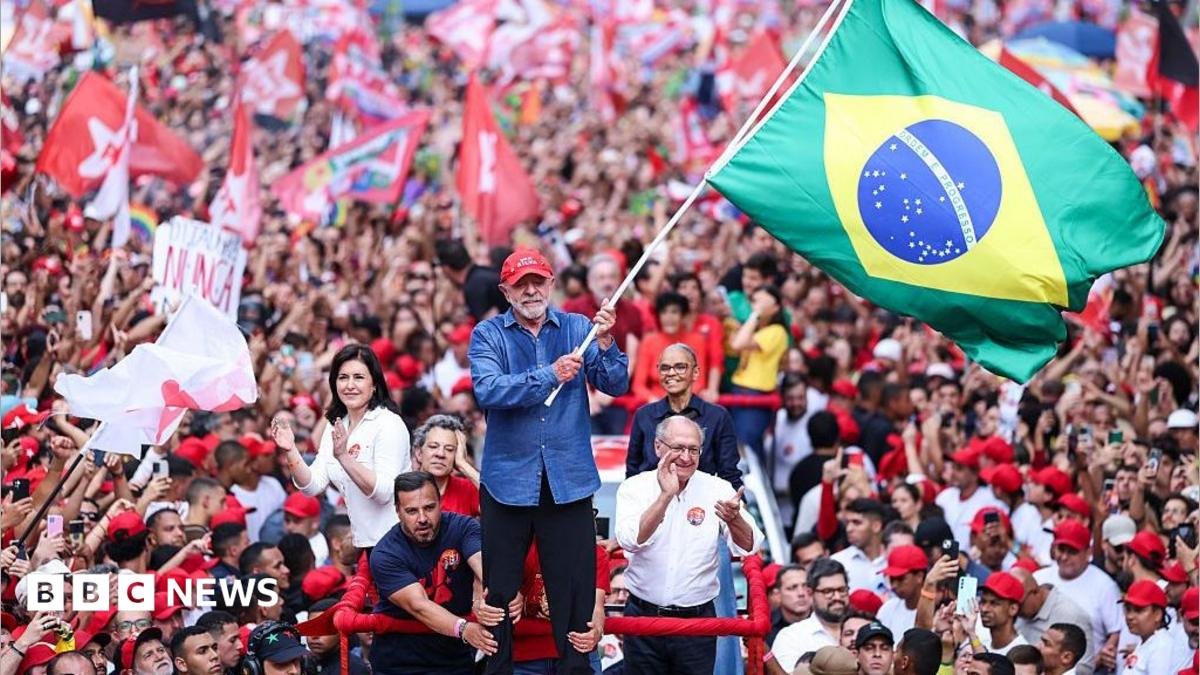
President Lula's recent election victory in Brazil creates new challenges for Donald Trump's influence in Latin America.
President Luiz Inácio Lula da Silva won Brazil's election with a strong message of independence. He declared that Brazil will not act as a backyard for any foreign power. This patriotic stance helped him win voters during his campaign. He framed his platform around standing up to powerful global figures.
Meanwhile, the relationship between Lula and Donald Trump remains complex. Trump once claimed he liked Lula while also calling the election results rigged. Trump previously maintained a close alliance with the former Brazilian leader, Jair Bolsonaro. The two men have never held a simple or predictable partnership.
Previously, relations between the two leaders hit a low point. Trump placed tariffs on Brazil, which Lula viewed as unfair interference. Lula responded by speaking out against US influence in Brazilian judicial matters. He wore special caps to show his commitment to Brazilian sovereignty.
Consequently, Lula's approval ratings increased significantly during this time. Even some agricultural groups began to agree with his nationalist message. The United States eventually lowered those trade tariffs following the public pressure. This shift helped improve diplomatic ties between the two nations.
After that, the leaders met at the United Nations and the Oval Office. Trump described their talks as positive and productive. It appears that Trump respects leaders who project strength. However, the political landscape in Latin America remains a point of friction.
Next, Trump had hoped to include Brazil in his regional coalition of allies. He sought to secure US dominance across the Western Hemisphere. Brazil represents a massive economy with valuable rare earth mineral reserves. Losing that influence complicates Trump's broader strategic goals for the region.
Finally, several issues could still trigger future diplomatic tensions. Lula opposes US military actions and interventions within South America. He also remains critical of US technology companies operating in his country. Both nations must now navigate these ongoing political and economic challenges.