

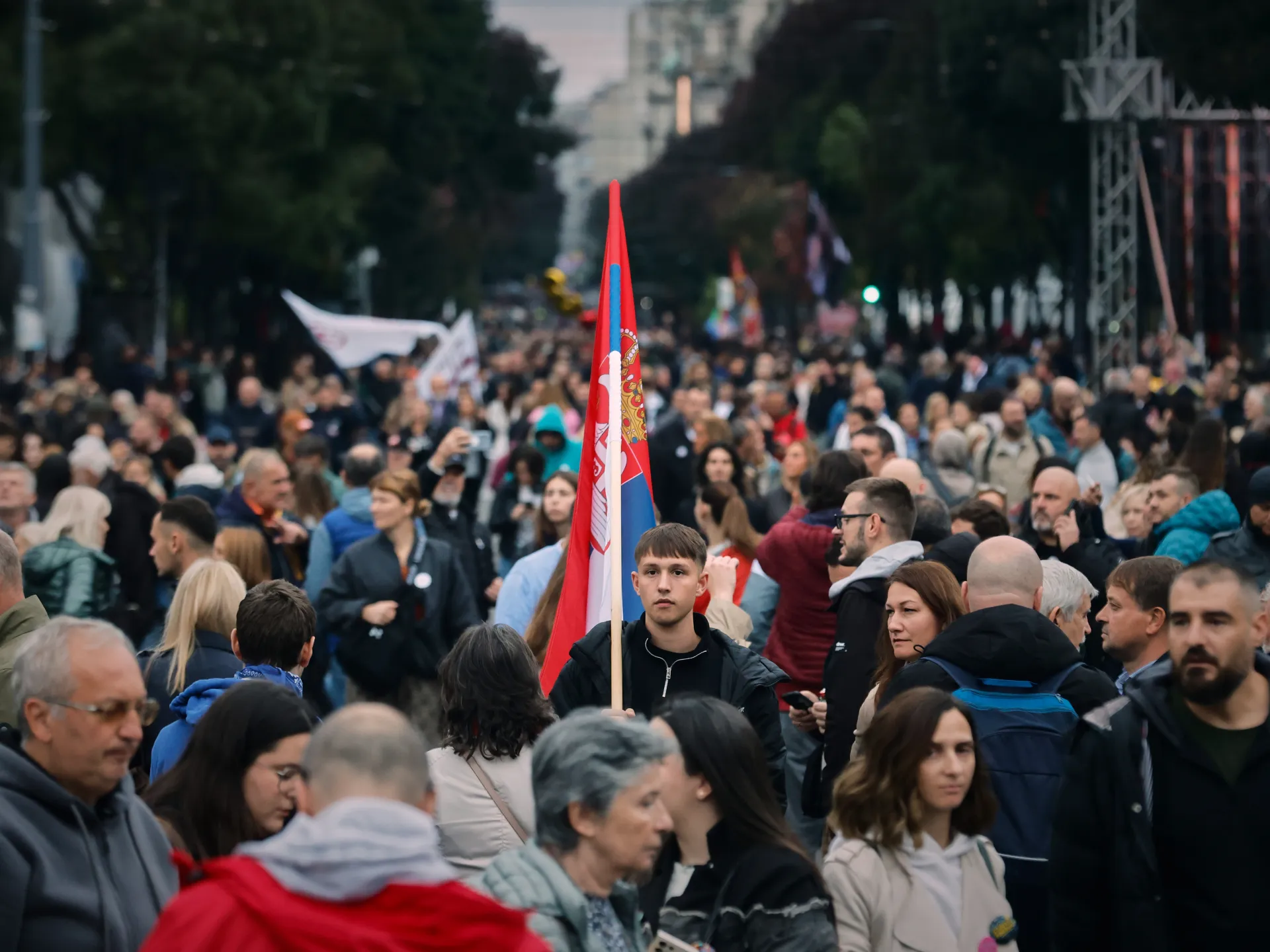
A successful student movement in Serbia recently defeated an entrenched government through independent, grassroots organization and direct democracy.
A powerful student movement recently transformed the political landscape in Serbia. These young protesters achieved a major electoral victory against a long-standing government. While international observers initially ignored them, the students proved their strength through persistent, organized action.
Next, the movement gained momentum following a tragic train station collapse in 2024. Students felt squeezed by local corruption and limited job prospects from foreign companies. They decided to reject existing political parties and international influence to remain independent.
Also, the students occupied university buildings to create an alternative political space. They organized their own food supplies, medical care, and security. By setting up these independent structures, they earned deep respect from the general public.
Meanwhile, the students introduced a model of direct democracy. They held large assemblies to discuss economic issues and debate policy ideas. These meetings helped shape their platform and kept the movement transparent and collective.
After that, the students chose candidates based on merit rather than traditional political ties. They interviewed potential leaders in front of hundreds of peers. This leaderless approach allowed them to avoid the corruption common in established parties.
Now, the new government faces significant challenges regarding foreign policy. They previously pledged to oppose the genocide in Gaza. This stance conflicts with Serbia's current arms export deals with Israel.
However, changing these economic ties will be difficult. The government must navigate pressure from foreign partners and domestic industry leaders. International groups are already trying to influence public opinion against the new administration.
Finally, the Serbian experience offers a blueprint for other European nations. Students in countries like France and Spain face similar economic strains. The Serbian experiment demonstrates that independent, grassroots organization can lead to real political change.