

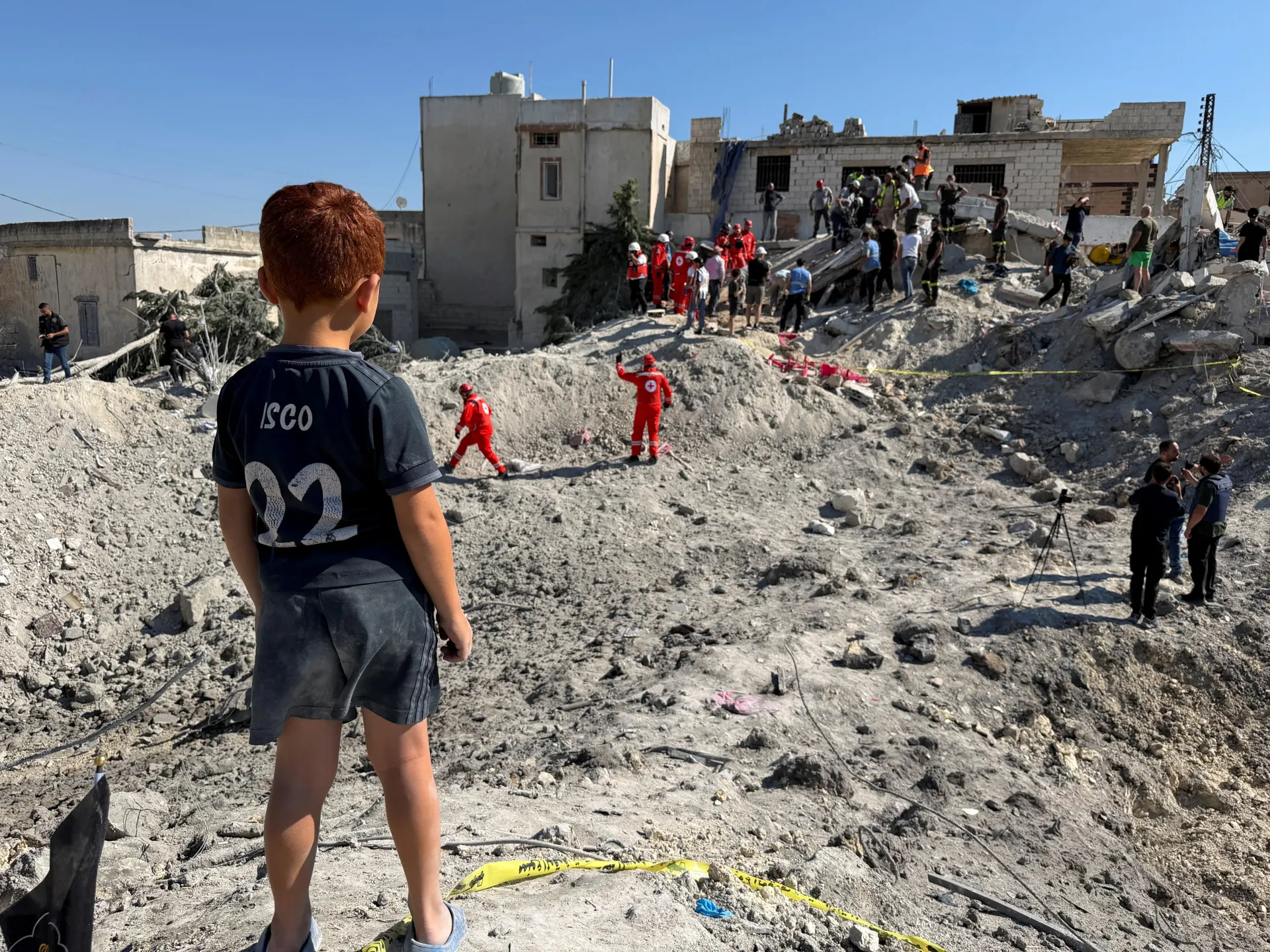
Lebanese citizens are skeptical that the upcoming Israeli elections will lead to an end of the military occupation in their country's south.
Israel holds a national election on October 27. Many people in Lebanon do not expect this vote to change their situation. They believe the occupation of southern Lebanon will likely continue regardless of who wins.
Also, local residents express deep skepticism toward the Israeli political process. Fouad Debs, a lawyer living in Beirut, says he expects no major improvements for his country. He believes any leadership changes will remain purely cosmetic for international appearances.
Meanwhile, experts note that no major Israeli candidate promises a withdrawal from Lebanese territory. Many Israeli leaders view Lebanon as a strategic prize rather than a crisis to solve. This history of invasions and border violations fuels a strong atmosphere of distrust.
Then, the conflict between Israel and Hezbollah has continued since October 2023. Israel has escalated military actions several times during this period. Although a ceasefire framework exists, Israeli forces still occupy many southern villages and continue to destroy local infrastructure.
As a result, more than one million people have lost their homes. A recent study shows that 87 percent of Lebanese people view Israel as their enemy. Opinions on how to respond remain divided between diplomacy and armed resistance.
Next, the election pits Prime Minister Benjamin Netanyahu against challenger Gadi Eisenkot. Many Israelis see Eisenkot as a fresh start. However, he is the architect of the Dahiyeh Doctrine. This strategy focuses on using massive force and destruction in military operations.
Still, critics point out that Israeli political discourse lacks a focus on humanitarian concerns. Candidates often attack Netanyahu from the right. They rarely question the morality of current military policies or regional actions.
Finally, researchers believe that dehumanization is deeply rooted in Israeli society. This makes a shift in policy toward Lebanon unlikely. Many observers fear the current occupation could last for a long time.
Consequently, many Lebanese are watching the upcoming United States elections closely. They believe American policy significantly influences Israeli military decisions. Until then, Lebanon remains stuck in a difficult state between war and peace.