

Israelis prepare to vote in their first election since the Gaza war began. The outcome will impact the future of key religious political groups.
Israelis soon head to the polls to pick a new government. This vote marks a major turning point for the nation. It represents the first election since the war in Gaza started. That conflict began in October 2023.
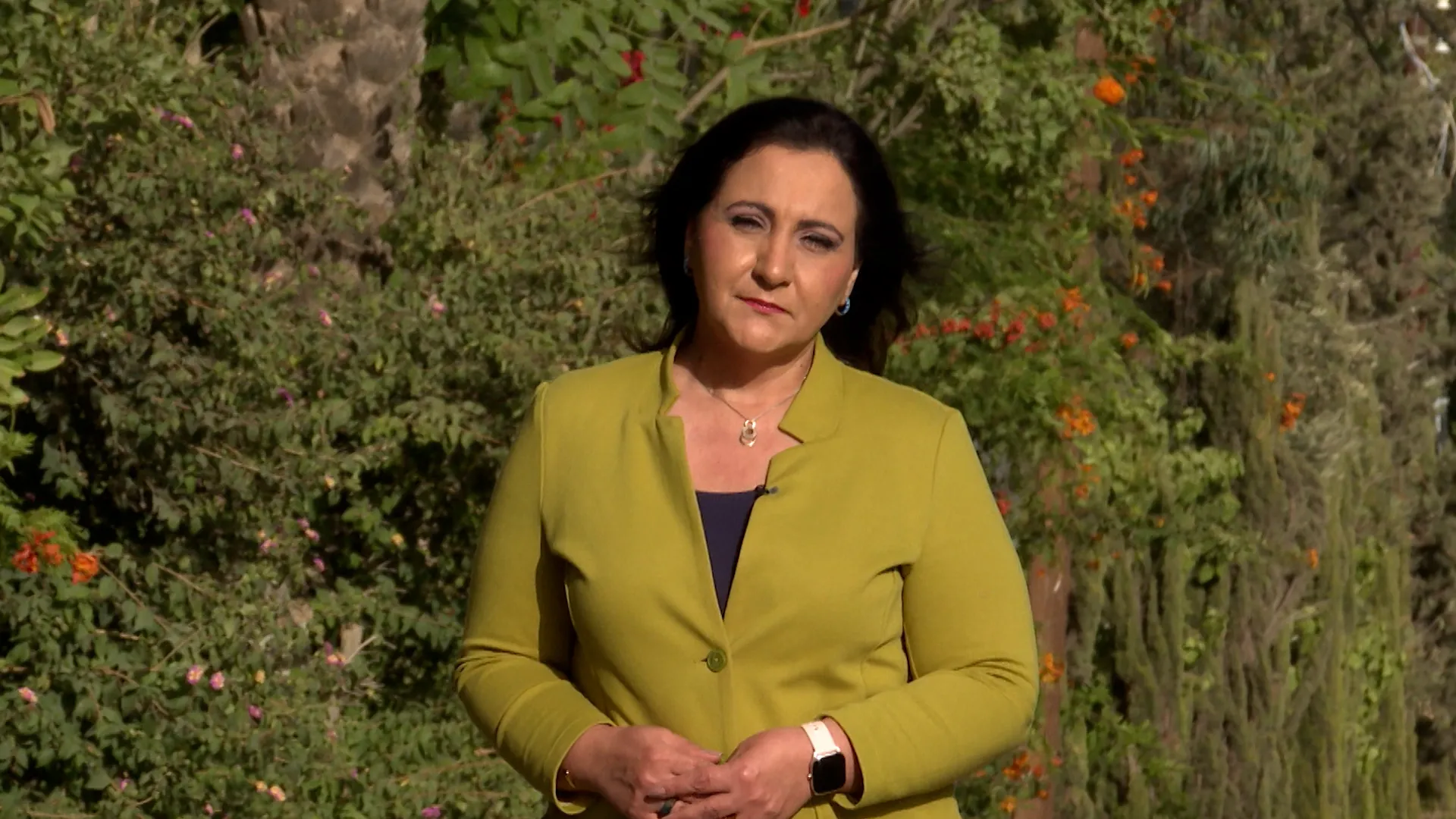
Journalist Nour Odeh reports on the significance of this event. She focuses on how the election affects specific groups. Two main political factions face new challenges and opportunities. These groups hold significant influence in Israeli society.
Also, the ultra-Orthodox community remains a primary focus. These voters are often called the Haredim. They play a massive role in forming government coalitions. Their political goals shape national policy in many ways.
Next, the election also impacts the Religious Zionism bloc. This group holds strong views on land and national identity. Their platform often drives the direction of current government policy. They seek to strengthen their presence in the state.
Meanwhile, the ongoing war influences how these groups vote. The conflict changes the priorities of many Israeli citizens. Voters consider security and religion as they cast their ballots. These issues dominate the current political landscape.
However, the political future remains uncertain for both factions. Leaders must balance religious needs with broader national interests. This creates complex tensions for the incoming government. Many observers watch these developments with great interest.
After that, the results will define the next chapter for Israel. The chosen leaders will manage the aftermath of the war. Religious parties hope to secure their long-term objectives soon. Their success depends on the final seat counts.
Finally, the outcome will reshape the country's social fabric. Political experts track every shift in public opinion. These religious groups act as key players in the process. Their influence continues to guide the nation toward its future.