

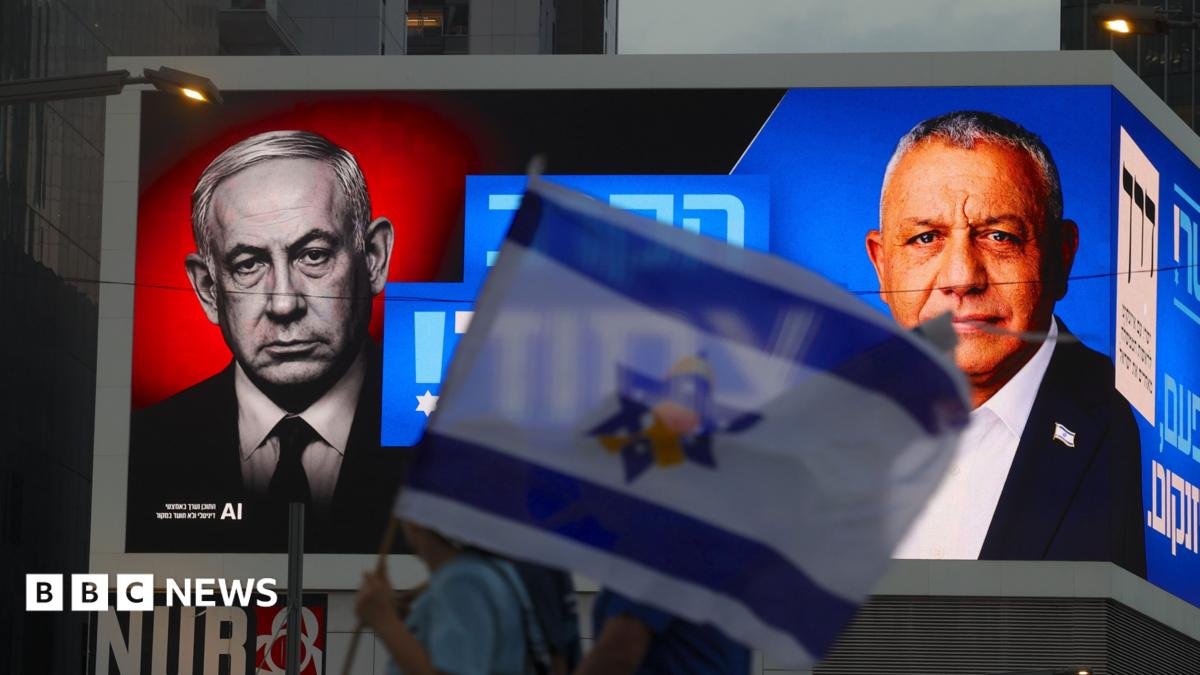
Israel heads to the polls in a tight election that highlights deep national divisions. Voters must choose between competing visions for security and democracy.
Israel faces a critical general election this Tuesday. The nation remains deeply split after three years of regional conflict. Polls show the governing coalition and the opposition are currently neck-and-neck.
Many citizens feel the stakes are existential for the country. Half a million people will vote for the first time. Additionally, thousands of Israelis are traveling from abroad to cast their ballots.
Opposition supporters recently gathered in Tel Aviv to demand change. They want to address corruption and improve national security. Many young voters express hope for a new direction.
Gadi Eisenkot, a former military chief, leads the centrist Yashar party. He presents himself as a non-politician with a calm demeanor. His background and message appeal to voters seeking a different leadership style.
Meanwhile, Prime Minister Benjamin Netanyahu focuses his campaign on security. He labels himself the only leader capable of keeping Israel safe. His supporters praise his strength during challenging times.
However, the October 7 attacks changed many perspectives across the country. Some long-time supporters are moving toward far-right parties. These voters now advocate for more aggressive military actions.
Next, younger voters show a strong preference for nationalist policies. Many believe peaceful solutions no longer work. They support figures who promise an iron-fisted approach to security.
Conversely, some residents in border communities seek a return to humanity. They feel exhausted by the current government's policies. They prioritize social issues like the economy, health, and education.
Still, the divide between the main parties remains complex. Most opposition leaders also support settlement expansion. None currently commit to full Palestinian statehood.
Finally, the election could end in a deadlock. Neither side may secure a clear majority to form a government. Arab parties could potentially hold the balance of power.
As a result, Israel faces significant political uncertainty. Citizens must navigate both domestic instability and external security threats. The outcome will shape the nation for years to come.