
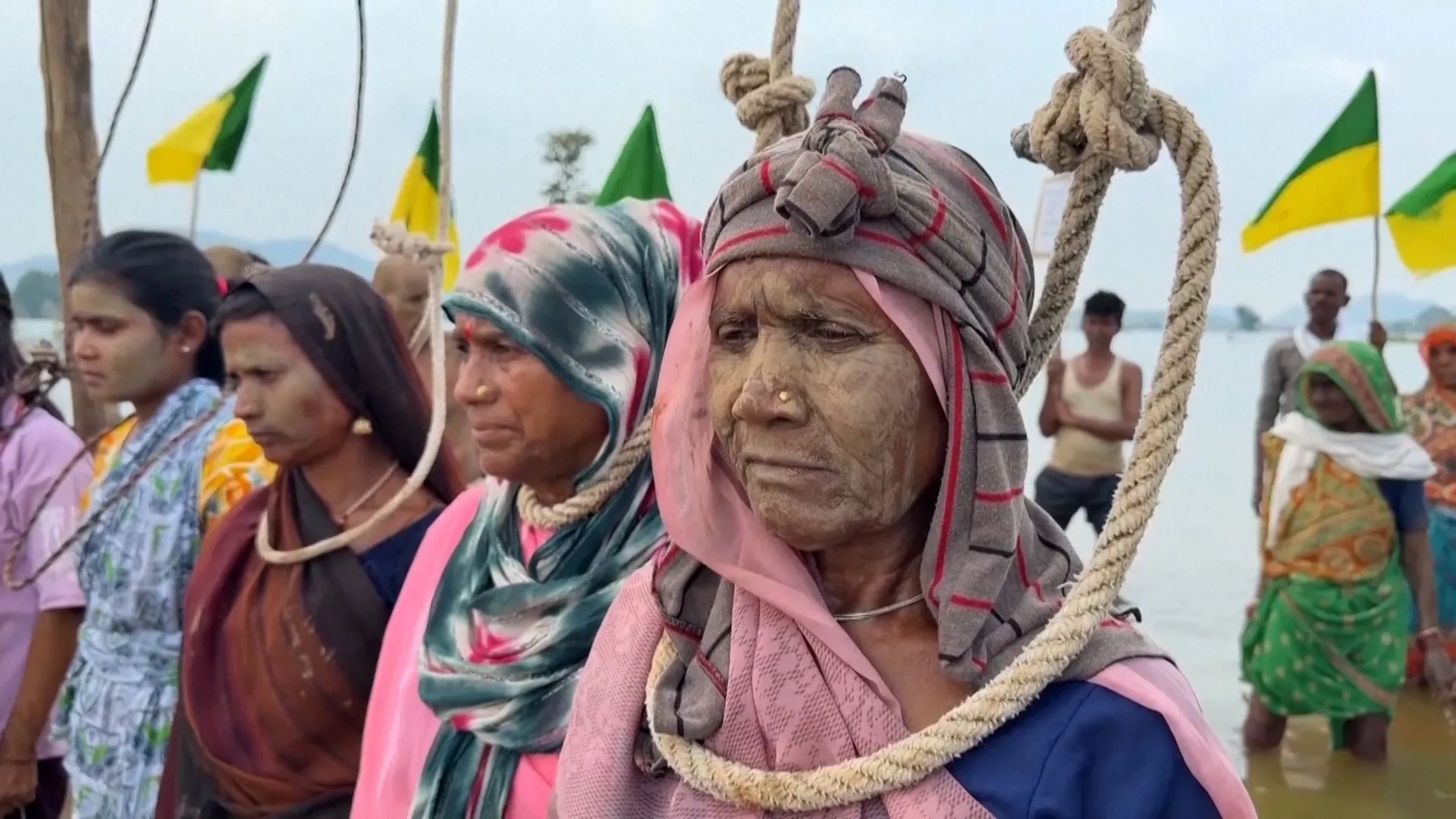
India struggles with widespread political protests over voter rolls while simultaneously managing record-breaking flood disasters in rural villages.
Tension grips India as the nation faces two major crises at once. Thousands of citizens protest recent changes to voter lists. Meanwhile, severe floods destroy homes and farmland across several regions.
Opposition leaders marched to the Supreme Court this week to voice their complaints. They accuse officials of removing millions of legitimate voters from records. At the same time, rural villagers struggle to their property from rising river waters.
Why this matters
These events create a difficult situation for the Indian government. Political trust is low because of the voting disputes. People feel the government ignores their basic rights during elections.
Also, the environment plays a big role in these hardships. A massive river-linking project costs billions of dollars. Critics argue this plan threatens the homes of many local villagers.
Furthermore, climate change increases the danger of natural disasters. Recent storms caused record-breaking water levels in the Gandak River. These floods leave thousands of people without food or shelter.
The combination of political anger and climate stress challenges the country. Leaders must address these voter concerns to keep the peace. They also need to provide aid to the families displaced by the rising water.
Political protests and legal battles
Opposition party members held a large "March for Democracy" in Delhi. Rahul Gandhi led the group toward the Supreme Court building. They want the election chief to resign immediately.
However, the government denies any wrongdoing regarding the voter rolls. The Election Commission says the process follows all laws. Police presence remained very high throughout the capital city.
Meanwhile, authorities detained thousands of protesters over the weekend. Officers blocked major roads to stop the flow of demonstrators. Many people still reached the court to demand justice.
Then, the Chief Justice addressed the crowd briefly. He told the leaders that the court will hear their case soon. He asked everyone to wait for the legal process to finish.
Environmental impact and displacement
Record-breaking rains hit Nepal and India late in the monsoon season. The Gandak River rose to its highest level since the 1960s. This water destroyed homes in several villages.
Also, satellite images show the extent of the damage. Blue water covers land that was once bright green. Thousands of people now face the loss of their primary way of life.
After that, villagers began to protest the government's river-linking plans. Many families refuse to move despite the danger of floods. They feel a deep connection to their ancestral lands.
How we got here
- September 20-27, 2026: Torrential rains cause massive flooding in Nepal and India.
- September 29, 2026: Satellites record the Gandak River at record-breaking levels.
- October 10-11, 2026: Police detain thousands of protesters during election unrest in Delhi.
- October 12, 2026: Opposition leaders march to the Supreme Court to challenge voter list changes.
What happens next
The Supreme Court must now decide on the election petition. A ruling will likely affect public trust in the upcoming vote. Experts watch closely to see if the judges demand a new voter audit.
Next, the government must manage the flood recovery efforts. Many families need urgent help with housing and food. Future weather patterns remain a major worry for those living near the rivers.