

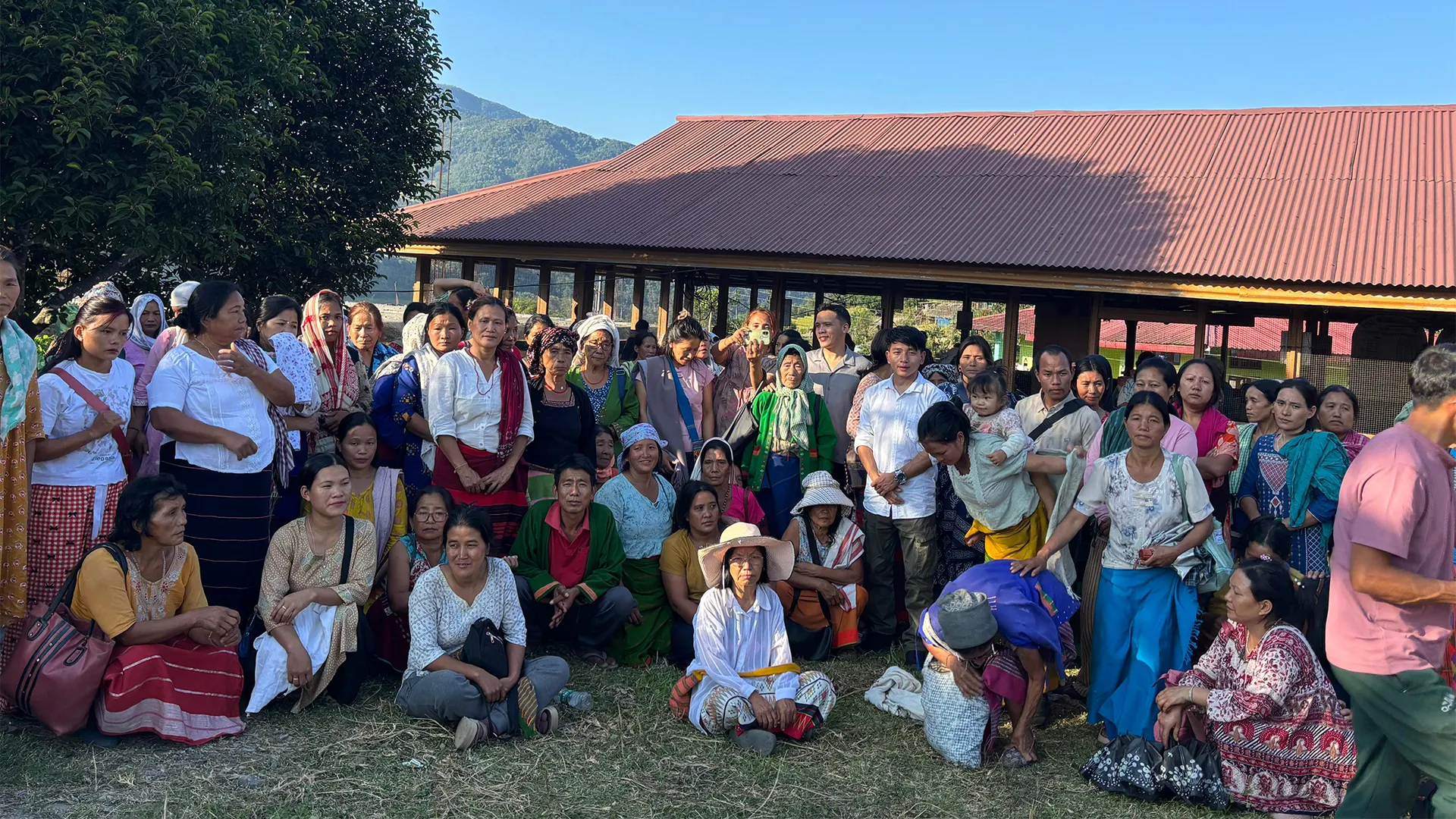
Indigenous people in India's Arunachal Pradesh state are protesting a massive new dam project intended to counter Chinese influence.
India plans to build its largest dam in the state of Arunachal Pradesh. Officials hope this project will counter major hydropower work from China.
However, local Indigenous groups oppose the construction. These people live in the remote Himalayan region.
Next, the protesters claim the dam puts their homes at risk. They argue the project threatens their ancestral lands. These groups fear losing their traditional way of life.
Also, the residents worry about their future livelihoods. They rely on the land for their daily needs. The massive construction project creates deep uncertainty for them.
Meanwhile, the Indian government views the dam as a strategic move. They want to challenge China’s upstream developments. Officials see the facility as a necessary infrastructure goal.
As a result, tensions grow between the local population and the state. The Indigenous people remain firm in their resistance. They want to protect their culture from destruction.
Then, the activists spoke out during recent demonstrations. They shared their concerns with the media. They insist that the dam will cause irreparable harm to the environment.
After that, the situation highlights the struggle over regional resources. The government faces a difficult choice between security and local rights. This conflict shows the complexity of large-scale development.
Still, the project remains a high priority for national planners. They argue the dam provides needed energy security. They aim to balance national interests with local feedback.
Finally, the outcome remains unclear for the Himalayan community. Both sides hold strong positions on the issue. Observers continue to watch the developments in Arunachal Pradesh closely.