

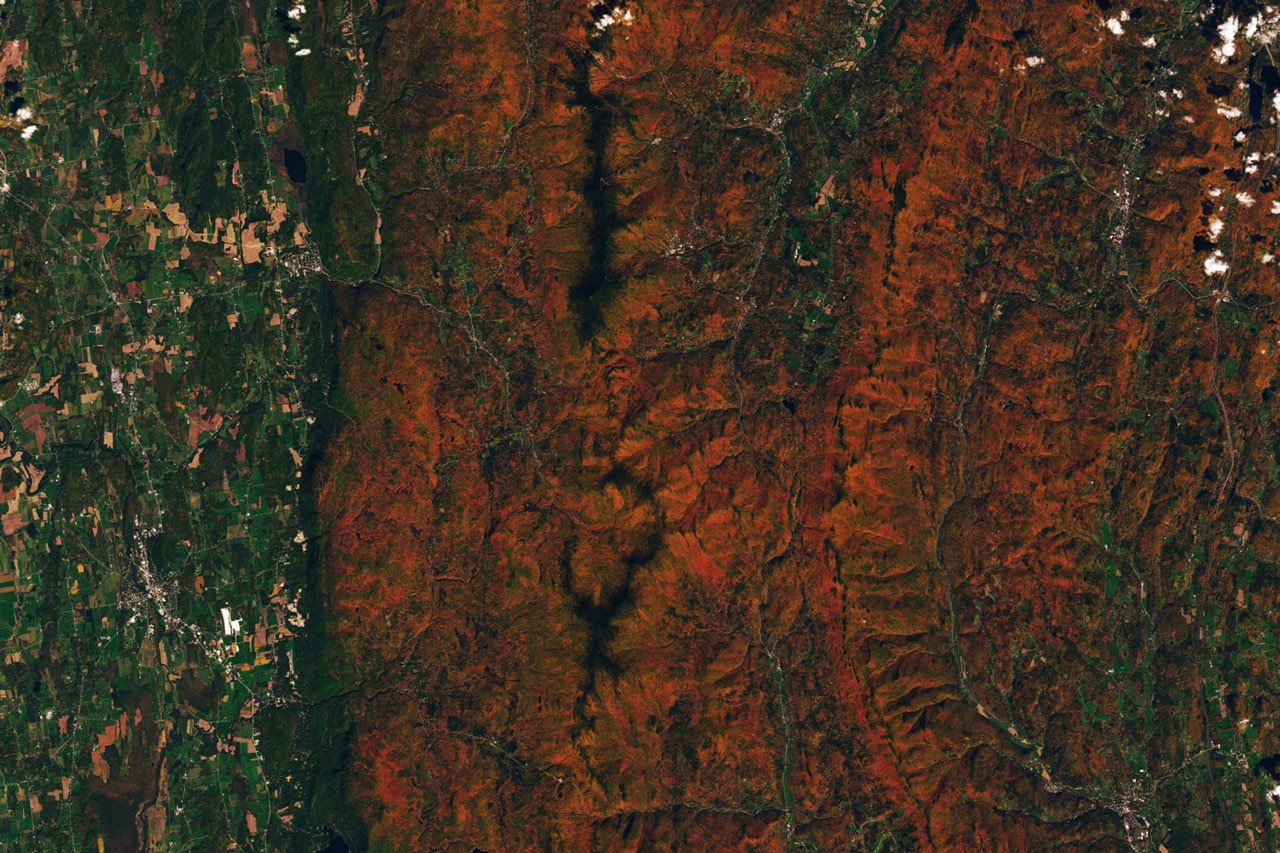
NASA uses advanced satellite technology to track the changing colors of autumn leaves across the globe.
Japan has a long tradition of hunting for red fall leaves. This practice dates back over a thousand years. Americans also began enjoying autumn foliage trips during the 19th century. Artists and poets often celebrated these seasonal colors in their work.
Today, NASA offers a new way to track these changes. The PACE satellite uses a special instrument called OCI. It observes Earth's vegetation every single day. This tool tracks three key pigments in leaves.
Scientists monitor chlorophyll for green, carotenoids for yellow, and anthocyanins for red. The satellite measures the ratio of these colors across forests. This data helps researchers find when leaves change and when color peaks.
Also, the satellite maps show these shifts over time. Green areas indicate that leaves have not yet changed. Yellow and red areas show where the foliage has started to turn.
Meanwhile, the satellite detected high redness in Russia, Alaska, and Canada. These areas showed color changes early in the autumn season. Later, the colors spread across the Midwest and Mid-Atlantic regions.
However, not all red colors come from fall leaves. Some crops show red pigments as they age or after harvest. Clouds can also hide parts of the vegetation from view.
Specific regions like Vermont and New York show intense red colors. These areas contain many sugar and red maples. Marshy tundra areas also show red due to mosses and grasses.
Furthermore, the Landsat 9 satellite captured detailed images of Vermont. These photos show the peak of the fall season. Poet Robert Frost once lived and worked in this specific area.
Finally, NASA scientists ask for public help. They want people to submit photos of fall leaves. This ground-level data helps confirm what the satellites see from space.
These photos provide valuable information to researchers. They help scientists study the carbon cycle and wildfire risks. Everyone can participate in this campaign to help science.