

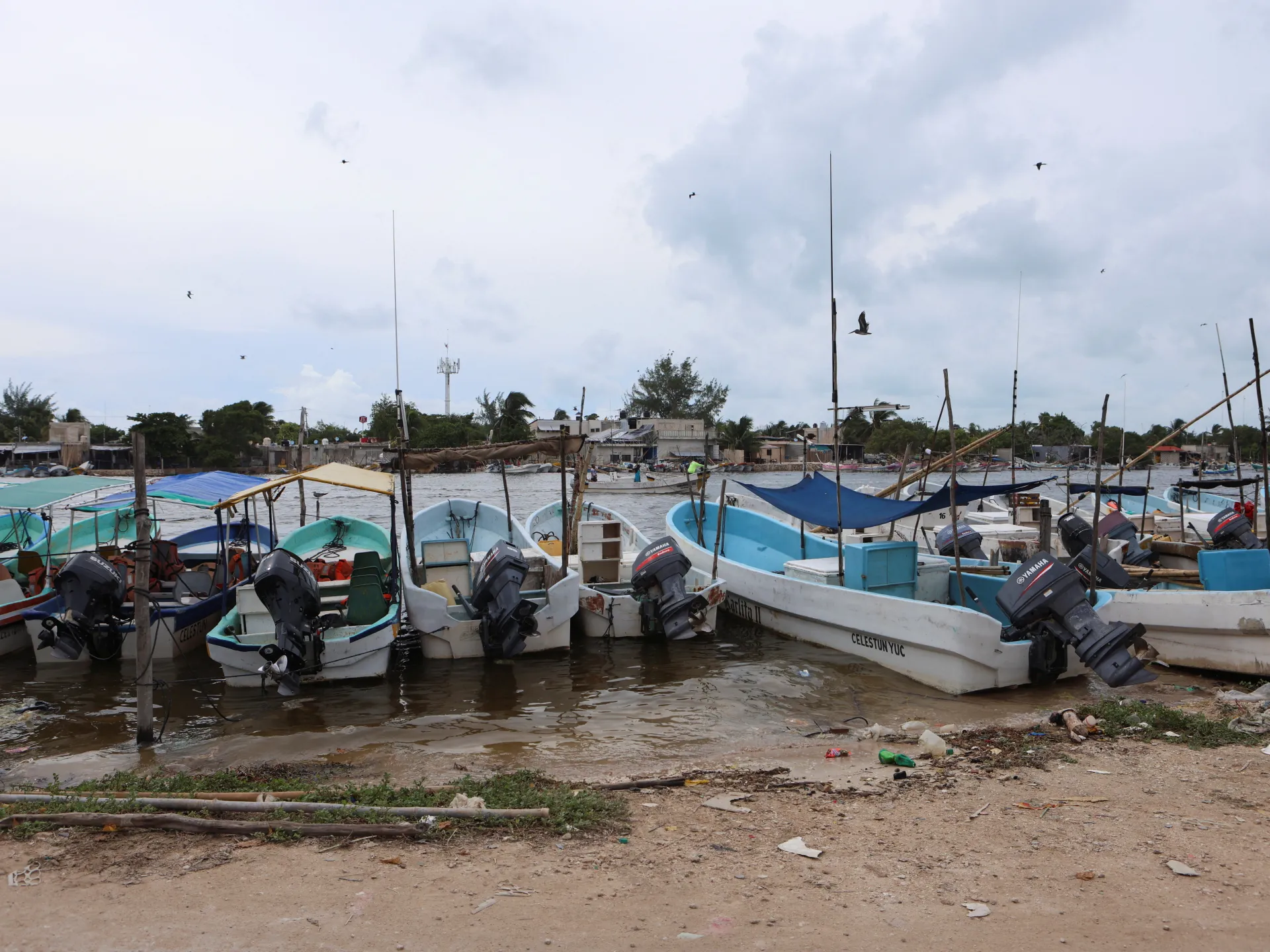
A new Greenpeace report warns that fecal bacteria are polluting essential drinking water sources in Mexico's Yucatan state.
Greenpeace recently released a concerning report about water quality. The organization found dangerous bacteria in Mexico’s Yucatan state. These germs come from human and animal waste.
Many residents rely on local wells for their daily water needs. They also use sinkholes, known as cenotes, for drinking supplies. This pollution creates a major health risk for the area.
Also, the report identifies several primary causes for this contamination. Experts point toward large pig farms operating near these water sources. These facilities often lack proper waste management systems.
Meanwhile, municipal wastewater also contributes to the problem. Cities in the region struggle to process sewage effectively. This dirty water eventually leaks into the underground aquifers.
However, the situation remains dire for coastal communities. The Yucatan relies heavily on these natural water reservoirs. Families face serious dangers when they drink from these contaminated wells.
As a result, environmentalists demand urgent action from local officials. They want stricter rules for industrial farms. Leaders must also improve public sanitation infrastructure immediately.
Next, the government needs to monitor water quality more frequently. Testing should become a standard practice in rural villages. This helps protect people from waterborne diseases.
Finally, the report highlights the fragility of the Yucatan ecosystem. Clean water is a basic right for every citizen. Authorities must address these pollution sources to ensure safety.