
Brazil heads to a presidential run-off while conservationists celebrate wildlife wins and NASA explores a mysterious galaxy.
Why this matters
Modern society faces complex challenges across different fields. Environmental efforts show that nature can heal with human help. Meanwhile, political shifts in Brazil could change the future of Latin America. Also, scientists continue to uncover the mysteries of the deep universe.
These events connect through the idea of change. Conservation, politics, and science all require focus and resources. Understanding these trends helps us track how the world evolves. We must watch these areas closely to see their impact.
Conservation and political shifts
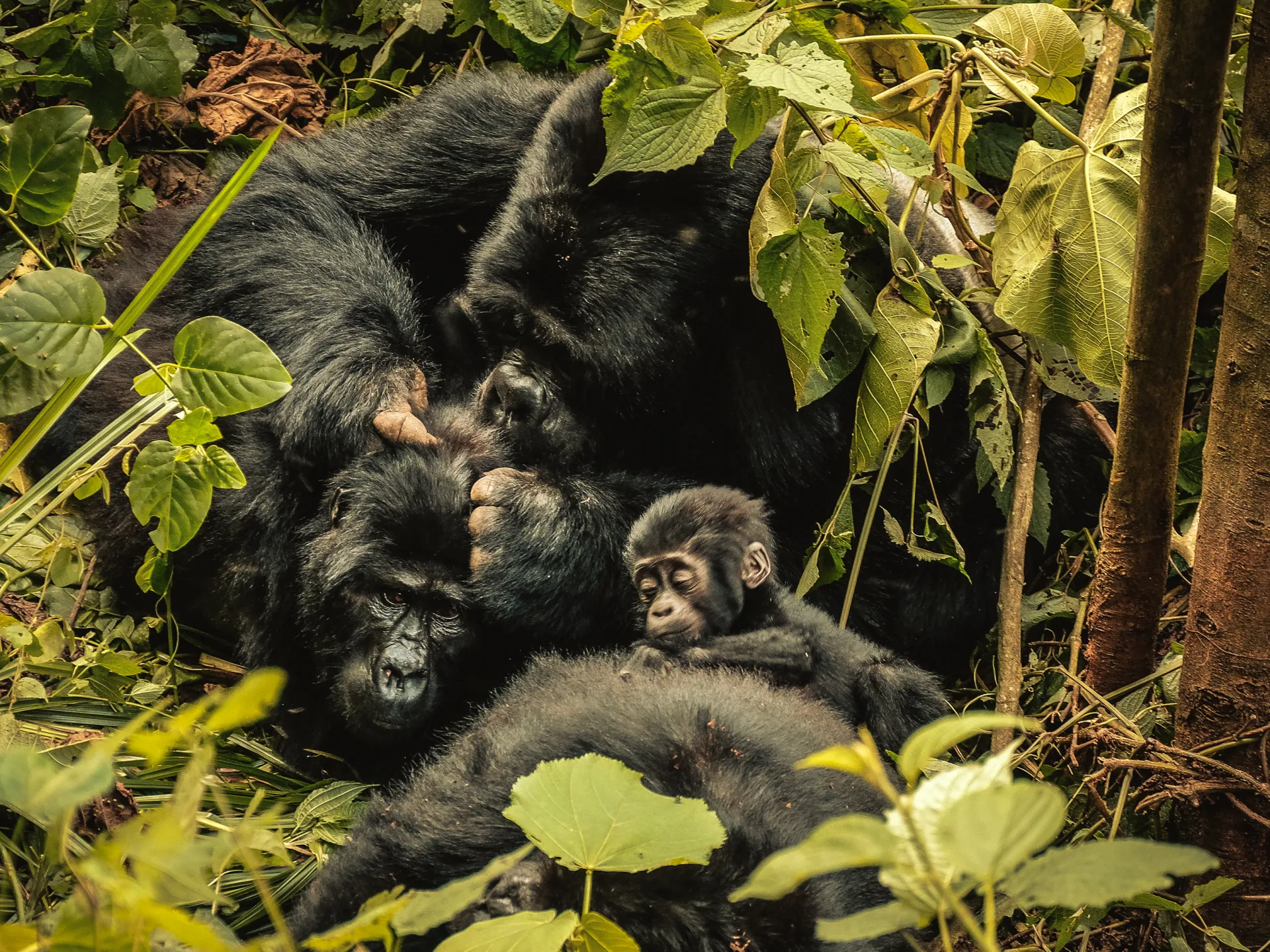
Conservation groups report success in saving rare species. For example, mountain gorilla numbers now exceed 1,100 individuals. These animals live in Uganda, Rwanda, and the Democratic Republic of the Congo. This progress proves that long-term care helps wildlife populations grow.
However, the world still faces major environmental losses. A report from the WWF notes a 73 percent decline in wildlife populations over 52 years. Many habitats face threats from climate change and pollution. Nature needs more support to keep recovering.
Meanwhile, Brazil faces a major political crossroads. Flávio Bolsonaro won the first round of the presidential election. He earned 47 percent of the vote compared to Lula da Silva's 45 percent. The nation will hold a final run-off election on October 25.
Also, the Liberal Party gained many seats in Congress. This gives them strong control over future laws. Supporters of the current left-wing leader warn about threats to democracy. Voters remain split on themes like crime and the economy.
Space mysteries and technology
NASA recently shared new images from the Hubble Space Telescope. It captured a strange spiral galaxy named NGC 4698. This galaxy sits 55 million light-years away in the Virgo Cluster. It looks normal at first but hides a secret.
Next, experts found that its center rotates differently than its outer arms. This galaxy likely grew by merging with another small galaxy. This finding helps space researchers understand how galaxies evolve. It shows the universe is more chaotic than it appears.
Finally, green technology remains a topic of debate. While it helps the environment, it creates new problems. Some mining for tech parts hurts the land. Experts study these trade-offs to find better solutions for the planet.
How we got here
- 1980s: Mountain gorillas faced a high risk of extinction.
- 2010-2025: Tiger populations increased by over 70 percent due to global partnerships.
- January 2023: Supporters of Jair Bolsonaro vandalized government buildings in Brazil.
- September 2026: Hubble captured new data on the unique galaxy NGC 4698.
- October 2026: Flávio Bolsonaro took the lead in the first round of Brazil’s election.
What happens next
Brazil now prepares for a high-stakes second round of voting. The results will decide if the country shifts toward a right-wing government. This choice will influence the economy and regional politics. Observers expect a very close race between the two candidates.
After that, conservationists will continue their work to protect endangered species. They aim to replicate the success of the mountain gorilla programs. These efforts depend on funding and international cooperation. Science will guide their future path to habitats.
Then, space agencies will analyze more images from new telescopes. They want to map the dark parts of our universe. These missions could solve mysteries about how galaxies form. The search for knowledge remains a top priority for global science teams.