
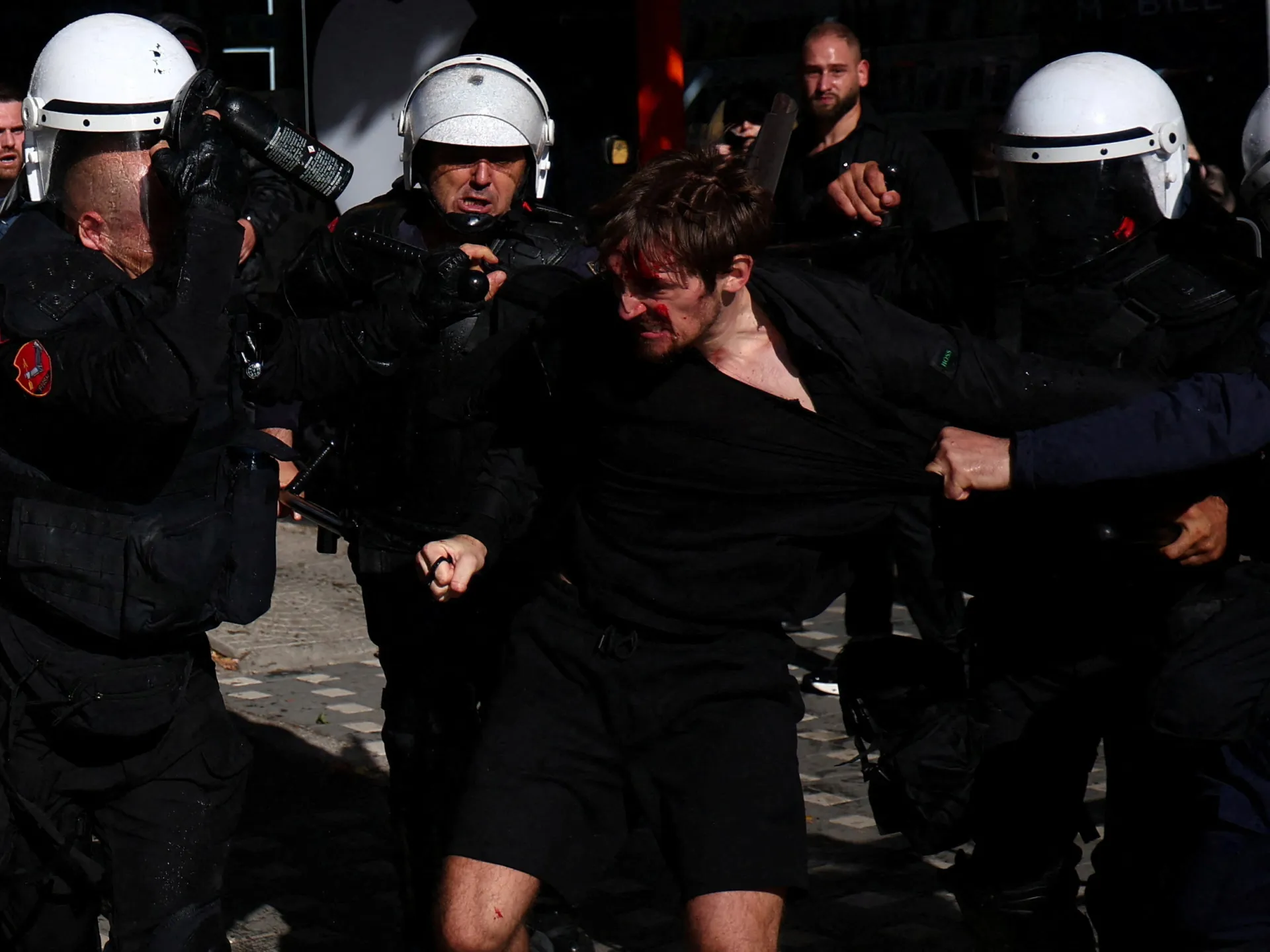
Protests are rising across the globe as citizens challenge government policies. From student riots in Albania to political detentions in India, the public demands change.
Why this matters
People across the world now challenge their leaders with more intensity. These movements show deep frustration with current political and social systems. Citizens feel that their voices remain unheard by those in power. Such unrest often signals a wider breakdown in public trust.
Also, these events highlight how quickly peaceful demands can turn into physical conflict. Governments often respond with force to maintain control over public spaces. This cycle creates fear and division within modern societies. The struggle for democratic expression remains a key challenge for many nations today.
Meanwhile, some institutions try to distract the public from these tensions. NASA recently focused on sports events to boost its public image. While space exploration inspires many, these efforts contrast sharply with the reality on the streets. Protesters demand immediate change while agencies promote future goals.
Clashes in Tirana and Delhi
Tensions boiled over in Albania this week. Hundreds of students targeted the Education Ministry in Tirana. They threw bricks and concrete at the building to show their anger. Police used tear gas and water cannons to break up the crowd.
Then, the situation in India took a different turn. Police detained leaders of the Cockroach Janta Party in Delhi. These activists entered a forbidden protest site called Jantar Mantar. They demanded the resignation of the top election official.
After that, the arrested leaders posted videos from a police bus. They vowed to continue their fight against unfair voting rules. The government denies claims that it favors one political party. Security remains tight across the capital city to prevent further gatherings.
Struggles for Change
Students in Albania highlight issues like high school costs and few jobs. They see a deep divide between the rich and the poor. One protester called for a complete system change. The deputy prime minister condemned the violence but offered no clear solutions.
However, the global wave of activism continues to grow. Protests in Greece also marked the second anniversary of a deadly train disaster. Citizens there demand justice and better safety for public transport. People everywhere appear tired of status quo policies.
How we got here
- Sept 27, 2026: NASA holds an Inspiration Tour flyover during an NFL game in Cleveland.
- Oct 11, 2026: NASA conducts another flyover at a game in New Jersey.
- Oct 12, 2026: Indian authorities restrict protest access to the historic Jantar Mantar site.
- Oct 13, 2026: Indian police detain opposition leaders for entering the banned protest area.
- Oct 14, 2026: Albanian students clash with police while protesting at the Education Ministry in Tirana.
What happens next
The Albanian government will likely face pressure to address student complaints. Officials may try to start a dialogue to calm the streets. If they ignore the students, more protests will probably occur.
Next, the Indian government must deal with the legal status of the detained leaders. Political arguments over voter lists will surely continue. Opposition parties will look for new ways to organize and gather support.
Finally, international observers will watch these developments closely. Social inequality and government transparency remain top concerns for voters everywhere. Expect more demonstrations as these groups push for real policy shifts.