
Rising fuel costs and new border tensions test global stability. The U.S. weighs a diesel export ban while Korea faces a diplomatic standoff.
Tensions rise across the globe today. New conflicts emerge in both Asia and the energy sector. Leaders now scramble to find solutions for these growing problems.
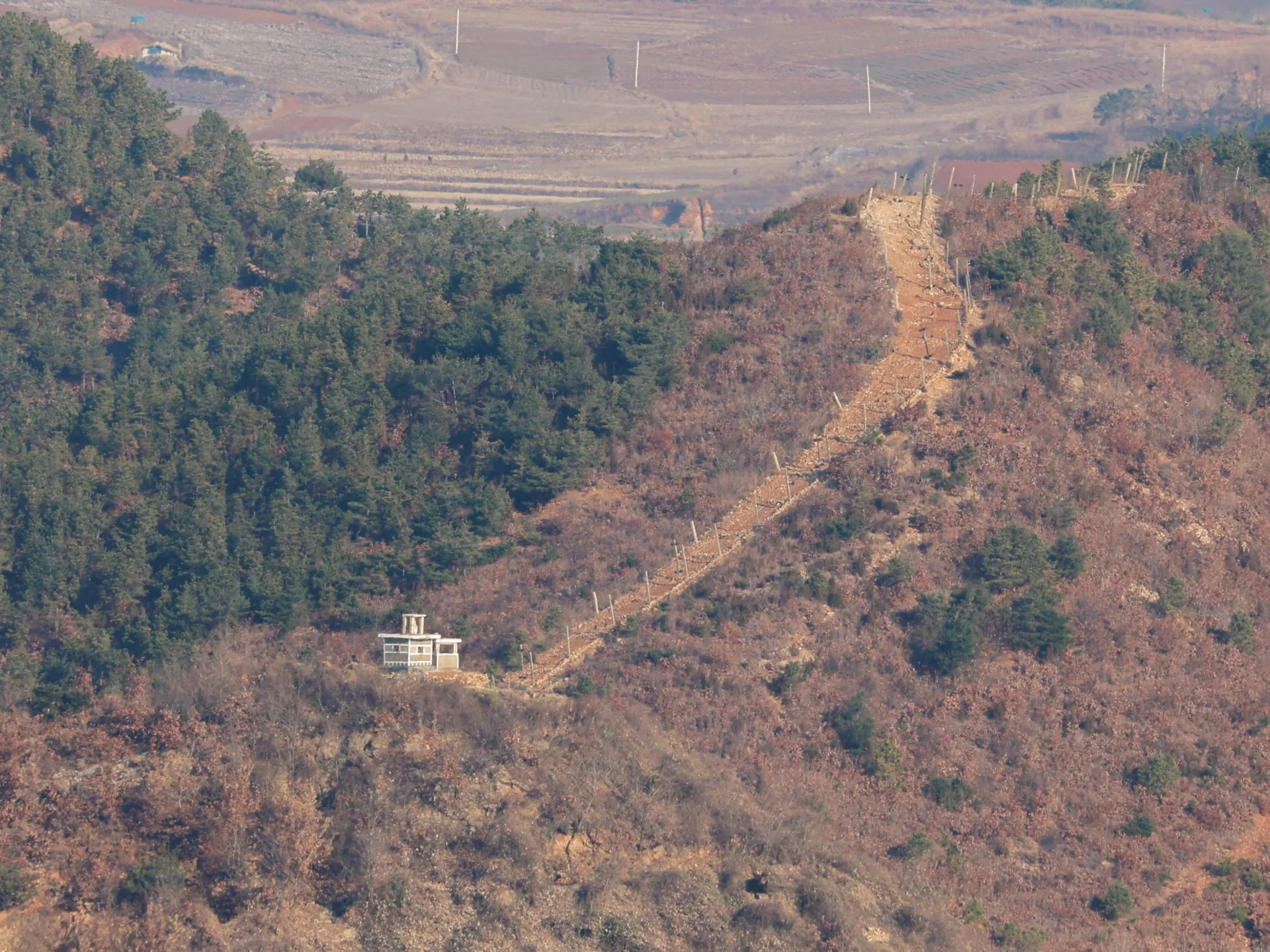
Meanwhile, the Korean Peninsula faces fresh instability. A recent mine explosion in the Demilitarized Zone sparked a heated debate between the two nations. South Korea now demands an apology for the incident.
Why this matters
These events show how fragile world stability remains. Fuel prices affect every person in the United States. Changes in global supply chains lead to higher costs at the gas pump.
Also, diplomatic rifts can escalate very quickly. When nations stop talking, the risk of military action grows. Global leaders must manage these risks to prevent wider chaos.
Energy markets face major stress
The United States considers a ban on diesel exports. This move aims to lower fuel prices for American drivers. President Donald Trump suggested this idea as midterm elections approach this November.
However, many countries rely heavily on U.S. diesel. The United Kingdom imports a large portion of its fuel from American suppliers. A ban would force these nations to look for other sources.
Also, experts warn of global price spikes. If the U.S. keeps its diesel, other nations will face shortages. This could drive up costs everywhere else in the world.
Meanwhile, the conflict in Iran impacts the flow of crude oil. Many traditional supply routes remain closed or dangerous. This creates a difficult situation for energy markets across the globe.
Tensions flare along the border
South Korea recently accused its northern neighbor of a mine explosion. The blast occurred within the Demilitarized Zone. Seoul now calls for an official apology from Pyongyang.
However, North Korea denies any involvement in the incident. They called the South Korean claims a total farce. This denial makes a peaceful resolution very difficult to reach.
Also, military officials remain on high alert near the border. Both sides watch the area closely for any new movement. Small incidents often lead to much larger military standoffs.
Next, South Korean leaders plan their next diplomatic steps. They want to hold the North accountable for the damage. The international community watches these developments with deep concern.
How we got here
- 2024: The conflict in Ukraine disrupts global energy markets and supply chains.
- Early 2026: Ongoing war in Iran creates severe pressure on refined fuel supplies.
- Late 2026: Diesel prices in the UK reach record levels near 200p per litre.
- October 2026: South Korea demands an apology from North Korea following a DMZ mine blast.
What happens next
The U.S. government will likely decide on the export ban soon. This decision depends on domestic fuel prices and political needs. European nations are already preparing for potential supply cuts.
After that, the situation on the Korean border will remain tense. Further diplomatic talks appear unlikely given the recent denials. Military leaders will continue to monitor the border for further threats.
Finally, global markets will react to these two major issues. Investors will watch for any signs of change in energy policy. Stability in these regions remains a top priority for world leaders.