
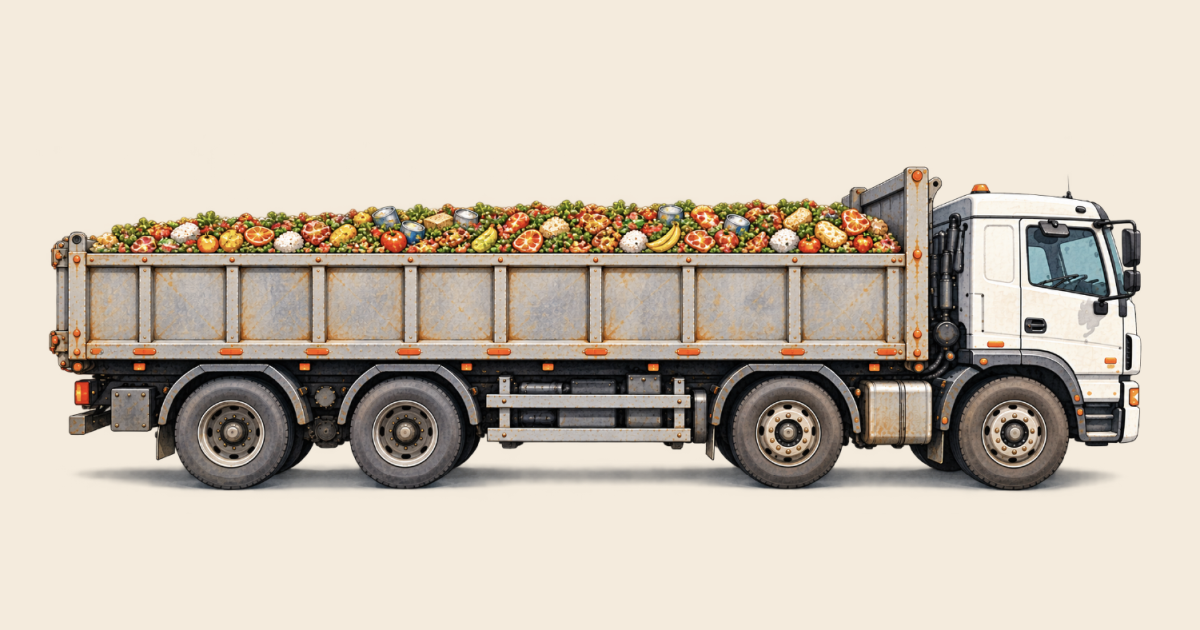
Global hunger remains a major issue while food waste reaches over one billion tonnes yearly. Learn how household habits impact this global crisis.
The world wastes one out of every five plates of food served. This equals over one billion tonnes of waste annually. Meanwhile, millions of people still go hungry every single day.
World Food Day highlights this tragic gap between production and consumption. The United Nations wants better systems to feed people and reduce waste. Everyone must innovate to nourish the future.
Global hunger rates continue to drop slowly. However, they remain higher than before the COVID-19 pandemic. About 645 million people faced hunger in 2025 according to reports.
Meanwhile, Africa experiences the highest levels of food insecurity. One in five people on the continent lacks enough food. Asia and Latin America also face significant undernourishment challenges.
Also, food loss happens at every step of the supply chain. Much food spoils during transport or storage before reaching stores. Farmers lose billions of dollars in potential income each year.
Next, households generate the most waste globally. People throw away nearly 60 percent of all food discarded by consumers. Restaurants and shops contribute to the remainder of this waste.
However, waste amounts vary greatly by country. Hotter climates often see higher waste levels due to storage issues. The Maldives currently reports the highest amount of food waste per person.
Still, some nations show lower waste levels. Spain, for example, reports much smaller amounts of waste per resident. These differences show that better habits can change outcomes.
Finally, food waste creates massive economic and environmental problems. It costs the global economy over one trillion dollars each year. Rotting food also releases harmful greenhouse gases into our atmosphere.
Furthermore, we use vast amounts of land to grow food that no one eats. This land area is larger than all of Canada. Reducing waste saves money, energy, and vital natural resources.