
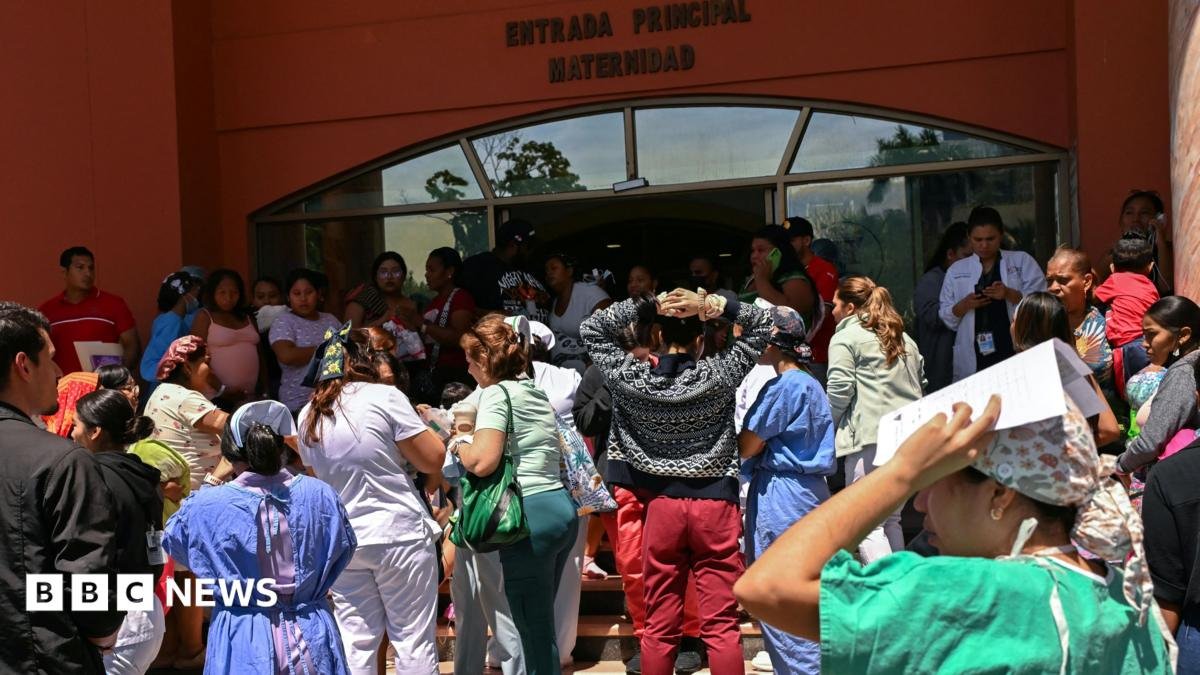
Global events include a major earthquake in Panama, a transit strike in the Philippines, and new scientific data on Arctic sea ice.
A powerful magnitude 7.7 earthquake struck Panama this Friday. The tremor caused widespread damage to buildings in the southern region. Roughly 4.6 million people felt the ground shake during the event. Authorities have not yet reported any casualties from the disaster.
Meanwhile, the Philippines faces a different kind of crisis. Thousands of public transport drivers started a three-day strike in Manila. They protest the high cost of fuel and rising taxes. These drivers claim they cannot earn a living wage under current conditions.
Finally, scientists report that Arctic sea ice reached its annual low point in September. This year's minimum ice cover ties with several past records. Experts continue to track these long-term changes in our climate. The data shows that sea ice levels remain low compared to historical averages.
Why this matters
These events show the growing challenges nations face today. Panama must manage sudden geological threats while planning for future emergencies. The government had actually scheduled a national evacuation drill just days after the quake hit.
Also, economic stability often depends on affordable energy prices. When fuel costs spike, workers in large cities like Manila struggle to provide public transit. This strike impacts the daily lives of millions who rely on buses and jeepneys.
Furthermore, climate trends affect global weather patterns and infrastructure. The reduction of Arctic sea ice changes how the planet absorbs heat. Scientists warn that these shifts require constant observation to protect global safety.
Updates on global crises
The Panama earthquake hit near the town of Pitaloza Arriba. It struck at a shallow depth of 12 kilometers. Shallow quakes often cause more damage to surface structures. Many homes in the Herrera province suffered cracks and structural failure.
Next, rescue teams work to clear debris from the streets. Footage shows a collapsed cathedral in the town of Penonomé. The Panama Canal remains open and safe, according to local authorities. Officials initially feared a tsunami but later confirmed no threat existed.
However, Venezuela continues to recover from its own tragedy. Recent earthquakes in that nation killed at least 235 people. Rescue efforts remain the main priority for those affected by the destruction.
How we got here
- March 1978: Scientists began consistent satellite tracking of Arctic sea ice levels.
- 2007-2026: The world recorded the lowest 20 annual minimums for sea ice extent.
- September 12, 2026: Arctic sea ice reached its annual minimum for the current year.
- September 29, 2026: Transport drivers in Manila launched a three-day strike over fuel costs.
- October 9, 2026: A 7.7 magnitude earthquake struck southern Panama causing building collapses.
What happens next
Panama will likely focus on emergency aid for displaced citizens. Leaders must assess if the damaged buildings are safe for reentry. The government will also probably adjust its upcoming drill schedule.
Also, the Manila strike will test the city's ability to maintain public transit. If fuel prices stay high, the government may face more pressure for subsidies. Officials will need to find a compromise with the driver groups soon.
Finally, researchers will continue to monitor the Antarctic ice levels. They expect the ice to reach its maximum seasonal growth soon. Data from these regions helps scientists better predict future climate changes for everyone.