
International conflicts impact energy security in Ukraine while NASA pushes for private space travel. Local road plans in the West Bank also stir tension.
Why this matters
International stability faces new tests this week. Major powers currently struggle to balance war efforts with long-term technological goals. These shifts impact both local safety and global reach.
Meanwhile, the conflict in Ukraine creates urgent humanitarian needs. Power grids across the nation face repeated attacks despite promises of a pause. This creates a cycle of fear and damage that affects millions of people daily.
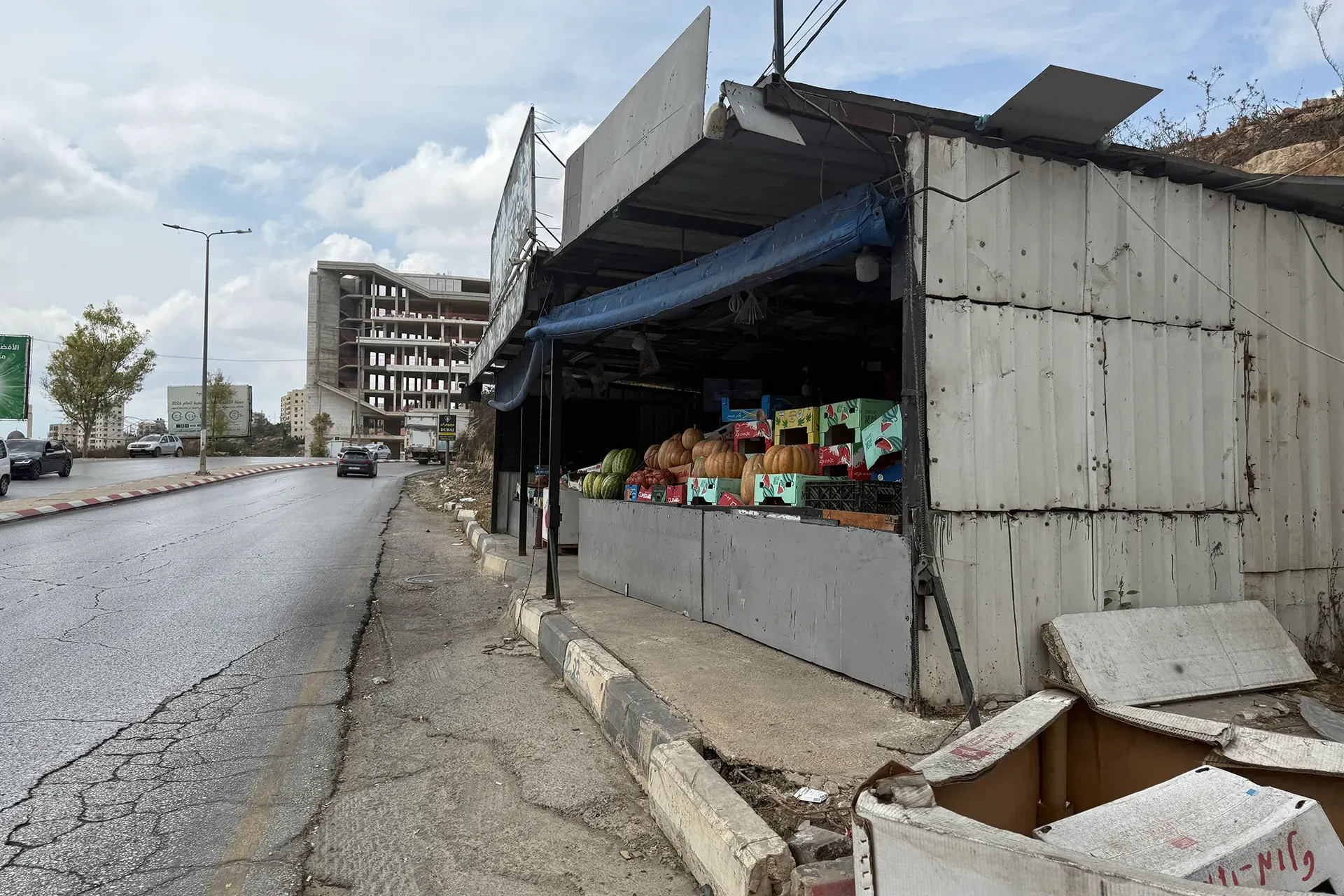
Also, the situation in the West Bank shows how local infrastructure choices change lives. New road plans threaten to cut off communities from vital resources. Such decisions highlight the growing divide in regional land control.
Finally, the space industry looks toward a commercial future. Agencies seek private partners to ensure a lasting human presence in orbit. Success here depends on balancing tight budgets with grand engineering goals.
Tensions rise in Ukraine
Russian missile strikes hit Kyiv this week. One major energy facility suffered significant damage. This attack cut electricity for many local residents.
Meanwhile, the strike also hit a residential building. Kyiv officials report two deaths and many injuries. Emergency workers rushed to the scene to help victims.
Also, President Zelensky criticized the lack of early warnings. He stated that Russia continues to target power plants. This happens despite talk of a recent energy ceasefire.
Then, international leaders prepared for new meetings. Prime Minister Andy Burnham will meet with Zelensky soon. They plan to discuss urgent air defense supplies.
Space and local infrastructure
NASA released a request for new space station plans. This move aims to keep humans in low Earth orbit. The agency wants private companies to lead this effort.
Next, companies must submit proposals by December 8. NASA will award contracts in early 2027. These firms will design and operate future space destinations.
After that, land issues surfaced in the West Bank. Israel plans to reopen a specific road known as Route 463. Many observers fear this will isolate the city of Ramallah.
Finally, local businesses worry about their future on this route. Trade and travel may face major hurdles. Analysts monitor how this road change alters regional movement.
How we got here
- March 2026: NASA publishes requests to gather industry views on space transportation.
- July 2026: NASA releases a draft plan to refine its approach to commercial space stations.
- October 11, 2026: President Trump announces an energy ceasefire between Russia and Ukraine.
- October 13, 2026: Russian missile strikes hit Kyiv power plants and residential zones.
- October 14, 2026: Plans emerge to reopen Route 463 in the West Bank.
What happens next
The situation in Ukraine remains volatile. Global leaders will likely debate the validity of the current ceasefire. Further intelligence sharing between allies will play a key role in defense.
Then, the space sector will focus on proposal deadlines. Many firms will compete for NASA funding. This process will determine the next decade of orbital exploration.
Also, local communities in the West Bank will likely protest the road reopening. Regional authorities must navigate these growing tensions. Ongoing diplomacy remains the only path toward stability for all parties.