
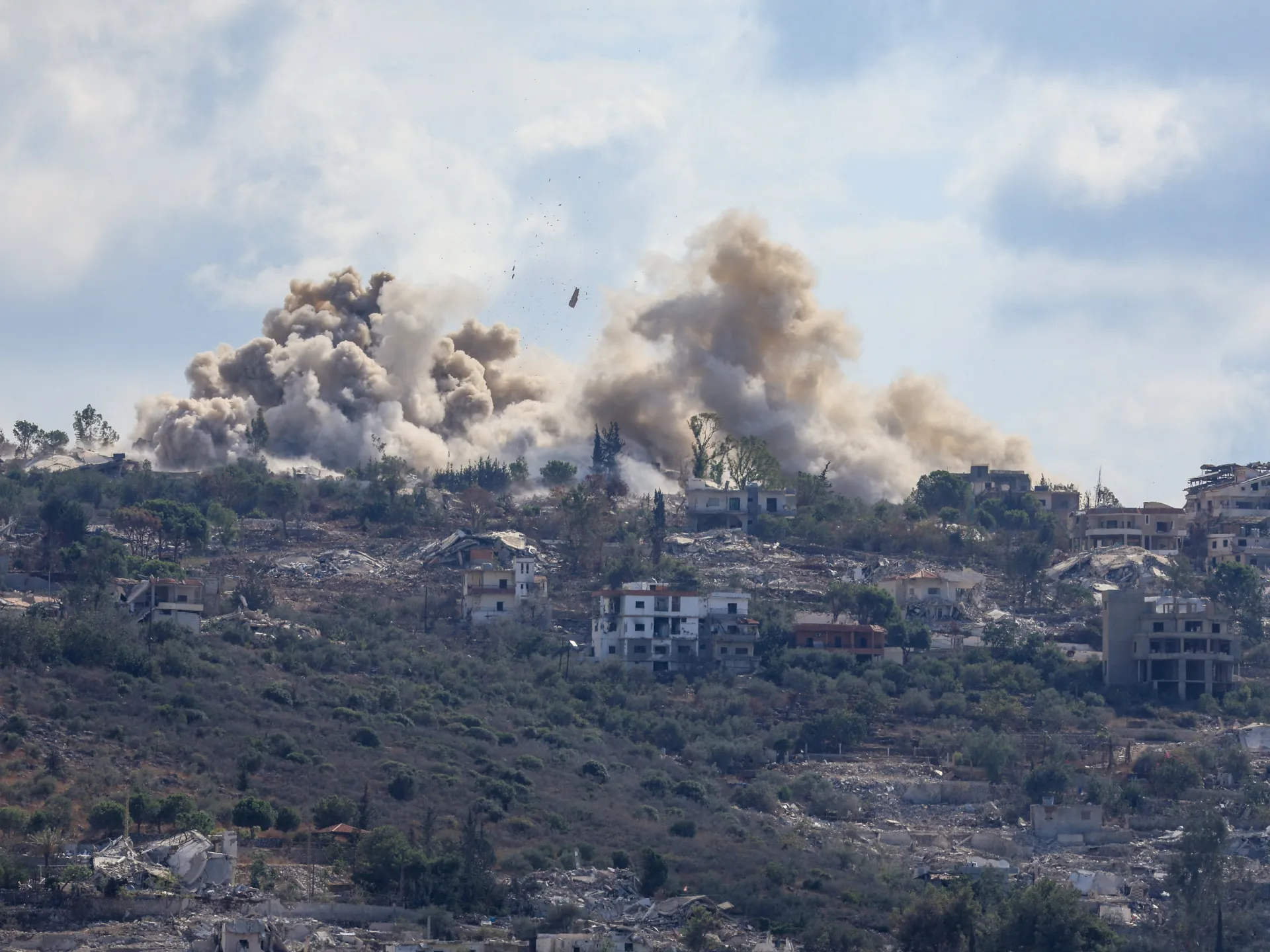
A new trial begins in Germany regarding pipeline sabotage while NASA engineers plan for lunar missions and conflicts shift the map of Lebanon.
Tensions rise in the Middle East as new borders shift in southern Lebanon. Meanwhile, a German court begins a high-stakes trial regarding the sabotage of gas pipelines. These events highlight how security and politics shape our world today.
Separately, engineers at NASA work to solve complex problems for lunar missions. While these topics seem different, they all involve experts managing massive systems. People across the globe watch these developments with great interest.
Why this matters
These stories show how fragile international peace and infrastructure can be. The destruction of the Nord Stream pipelines changed European energy security forever. It also tested the legal systems of several powerful nations.
Also, the situation in Lebanon proves how quickly conflict changes the physical landscape. Maps drawn in ink can fade when war forces people to flee. These changes affect the daily lives of thousands of civilians.
Finally, the work at NASA reminds us that human progress requires careful planning. Identifying gaps in technology prevents future disasters on the Moon or Mars. Innovation helps societies grow even when global stability feels uncertain.
The Pipeline Sabotage Trial
A German court in Hamburg recently started the trial of a Ukrainian man. Prosecutors call him Serhii K. They accuse him of blowing up the Nord Stream gas pipelines.
However, the suspect denies these serious charges. He claims he had no part in the 2022 underwater explosions. Another suspect currently fights extradition from Croatia to face similar claims.
Next, investigators pointed to a yacht called the Andromeda. They allegedly found traces of explosives on the boat. Prosecutors believe a group of divers carried out the plot.
Meanwhile, the Ukrainian government denies any involvement in the attack. President Zelensky says his nation played no role in the pipeline destruction. The trial remains a sensitive issue for Germany and its allies.
Moon Base Planning and Security
Engineers like Richard Spolzino help NASA prepare for new lunar missions. They focus on how different systems connect to each other. This includes everything from oxygen plants to lunar rovers.
Also, the team looks for missing information before it becomes a problem. They map out the gaps in current technology to ensure astronaut safety. Their work ensures that every piece of the mission fits together.
After that, they coordinate with senior leaders at NASA. These decisions shape the future of human exploration in space. Success requires deep focus on both big goals and small details.
How we got here
- September 2022: Explosions destroy three of four Nord Stream pipelines in the Baltic Sea.
- January 2025: The German federal court rules that the pipeline attack falls under its jurisdiction.
- Late 2025: Authorities extradite the main suspect, Serhii K, from Italy to Germany.
- October 2026: The trial in Hamburg begins as the first legal proceeding for the sabotage.
- October 2026: Reports emerge about shifting physical boundaries in southern Lebanon due to regional conflict.
What happens next
The German court will hear testimony from many witnesses in the coming months. Judges must decide if the evidence links the suspects to the blast. The verdict will likely impact future relations between Germany and Ukraine.
Then, the conflict in southern Lebanon may continue to force changes on the ground. Observers will watch to see if international groups intervene to stop the violence. Local populations wait for signs of a lasting ceasefire.
Finally, NASA will continue its work on lunar mission architecture. The agency plans to address the identified gaps in their current systems. These efforts pave the way for a return to the Moon later this decade.