
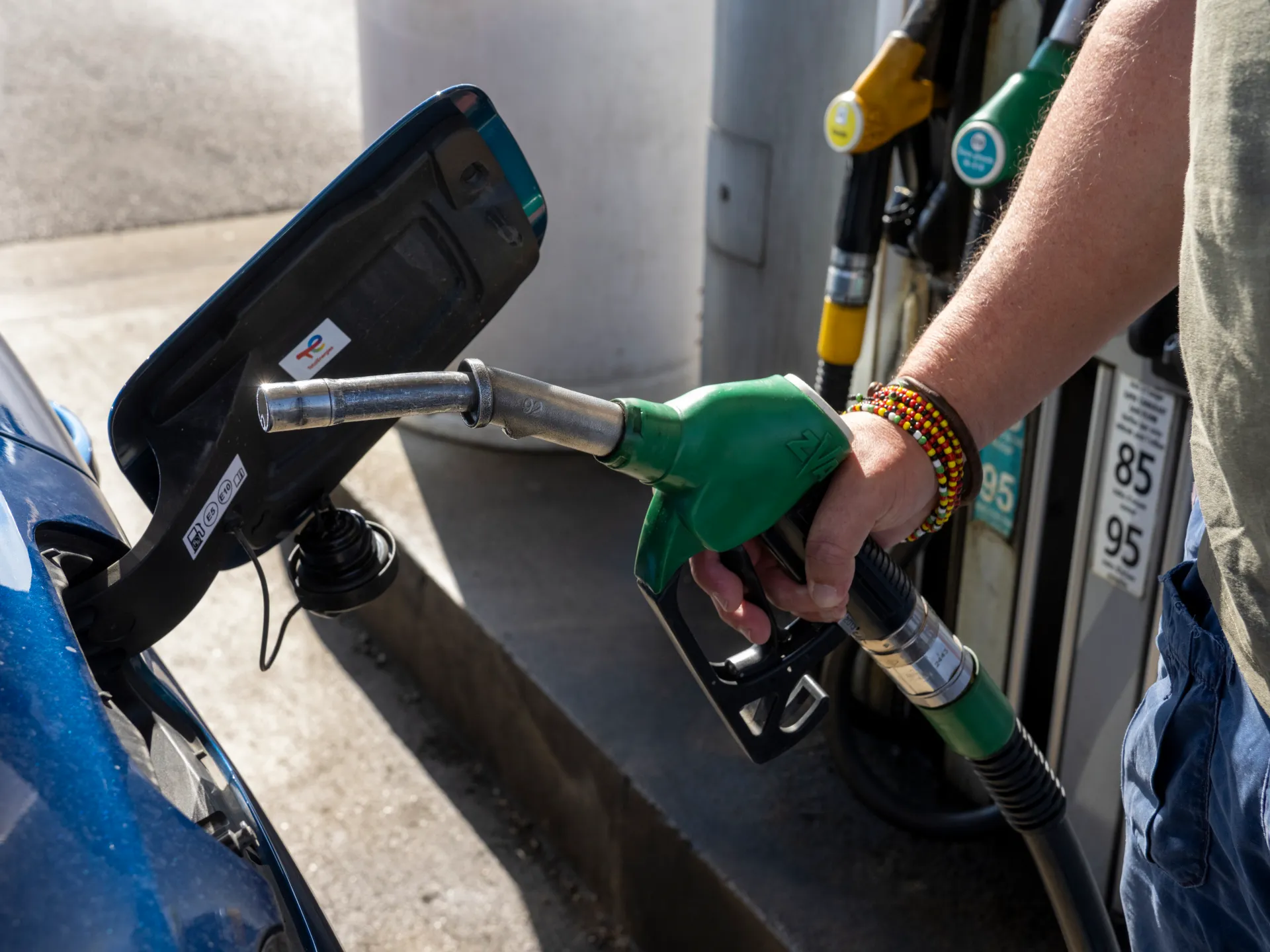
G7 leaders agreed to release 100 million barrels of oil and diesel to address global price spikes. The move avoids export bans and aims to protect consumers.
Why this matters
Global energy markets face extreme pressure from rising fuel costs. These prices directly impact the price of food and basic goods. High fuel costs hurt truckers, farmers, and everyday households.
Also, this decision shows how nations rely on each other for energy. One country’s supply choices often affect the entire world market. Leaders hope this move prevents a deeper economic crisis before the winter months.
Coordinated Efforts to Ease Market Strain
The G7 nations just announced a plan to release 100 million barrels of fuel. This total includes both crude oil and diesel reserves. The group aims to stabilize supply chains and lower prices for consumers.
Meanwhile, the program will last for four months. Nations will start the release process immediately to impact the market. The International Energy Agency will help coordinate these efforts among the participating countries.
Furthermore, the G7 members promised not to block energy exports to each other. This agreement ensures that fuel flows freely across borders. It prevents individual countries from hoarding supplies during this time of shortage.
However, the impact on prices remains a subject of debate among experts. Some analysts suggest that 100 million barrels may not be enough to fix the problem. Others believe the signal alone will help calm the volatile market.
Political Pressures and Policy Shifts
President Donald Trump recently pushed for this collective action from European allies. He warned he might ban US diesel exports to protect American consumers. This threat created tension between the United States and its partners.
After that, the president softened his tone following the G7 agreement. He called Europe’s contribution a great thing for the world. Treasury Secretary Scott Bessent also supported this move to avoid an export ban.
Next, leaders from countries like France and the UK praised the deal. French President Emmanuel Macron said the action helps build resilience. UK Foreign Secretary Ed Miliband stated that this shields businesses from sudden price shocks.
How we got here
What happens next
Now, the market will monitor how quickly these reserves hit the pump. Analysts will track if prices drop as the fuel enters the supply chain. If prices remain high, political leaders may face further pressure to act.
Finally, the G7 will likely continue to monitor global energy needs throughout the winter. They may authorize additional diesel releases if current supplies prove insufficient. The effectiveness of this policy will become clearer in the coming weeks.