
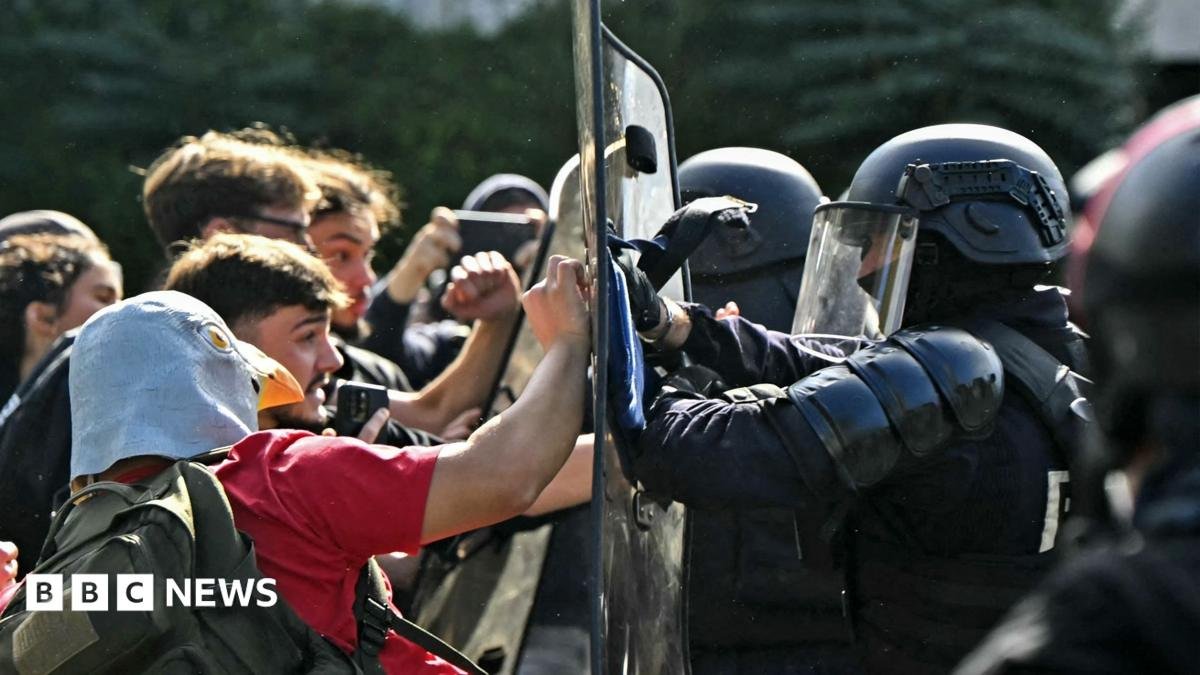
French student protests have turned violent, leading to a government ban on stun grenades after a student was severely injured.
Students across France now block access to many high schools. They protest against poor funding and staff shortages in their classrooms. These demonstrations began in late September.
Meanwhile, the situation has turned violent in several cities. Hundreds of students and police officers report injuries. Officials confirmed the arrest of thousands of people during these chaotic events.
Also, a serious incident involving a stun grenade recently occurred. A young student lost his hand during a clash. As a result, the French government halted the use of these devices.
Why this matters
These protests show a deep frustration among French youth. Students feel their schools lack proper resources and maintenance. Many buildings struggle with heat during extreme weather.
However, the anger goes beyond just broken buildings. Students worry about their future paths into university. They find the current college application system confusing and unfair.
Also, the long school days place a heavy burden on teenagers. Many students finish classes at 6:00 p.m. This leaves very little time for sleep or school work.
Still, the government argues that funding remains competitive with other nations. Data from the OECD shows France spends quite a bit on each student. Yet, the students clearly feel the money does not reach them.
The rise of student unrest
Teachers frequently remain absent for weeks without any replacements. This creates gaps in learning for many teenagers. Students express these concerns loudly in the streets.
Next, the protests grew in size and intensity. Hundreds of thousands of students joined the movement nationwide. Some outside groups reportedly joined the crowds to cause trouble.
Then, the conflict between police and students escalated rapidly. Police used stun grenades to disperse the large crowds. This tactic caused the tragic injury to the young student.
Finally, the government moved to ban the grenades. This decision aims to lower the temperature of the protests. Still, the underlying issues in schools remain unsolved.
How we got here
- Late September: Students begin protests across France to demand better school funding.
- Early October: Demonstrations grow as thousands of students block school entrances nationwide.
- October 2026: A student loses his hand during a violent clash with police forces.
- Post-Incident: The French government bans the use of stun grenades at student protests.
What happens next
Officials now face pressure to address school conditions. They must find a way to reopen a dialogue with students. Simple bans on weapons will not solve the long-term complaints.
Also, the government needs to address the university application system. Students want more clarity on how they get into top programs. Anxiety about the future fuels much of this current unrest.
Next, experts expect the government to look at teacher pay. Better pay might help fill empty spots in schools. This could reduce the number of missing teachers.
Finally, the public waits to see if schools will return to normal. Parents worry about the safety of their children at school gates. Tension remains high as both sides weigh their next steps.