
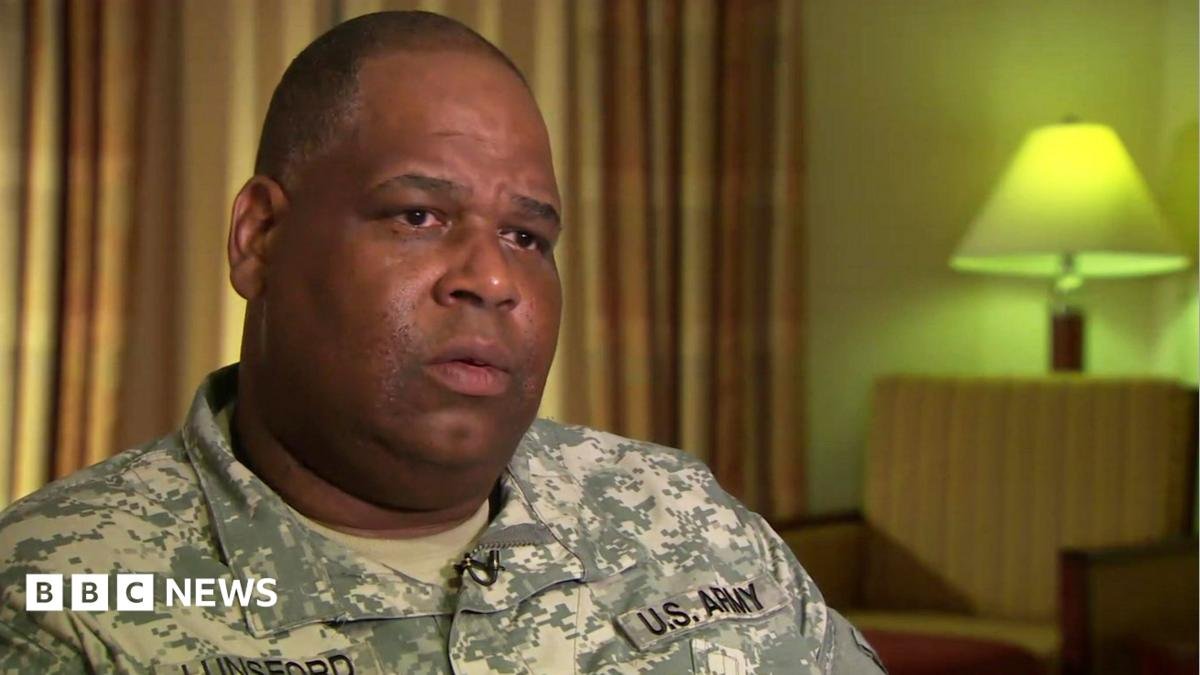
A Fort Hood survivor voices support for a firing squad execution, while officials debate the ethics of a public livestream.
Why this matters
The proposed execution of Nidal Hasan sets a major legal precedent. US officials rarely use the death penalty today. A public broadcast would be a historic change for the justice system. It would mark the first public execution in the US in nearly a century.
Also, the plan to livestream the event sparks intense debate. Many survivors believe the public should see the consequences of such crimes. Others worry about the impact on young viewers. This event forces society to rethink how we handle high-profile criminal justice.
Meanwhile, the debate touches on the ethics of state-sanctioned violence. Survivors like Alonzo Lunsford view the firing squad as a fitting end. He feels other methods offer the killer too much comfort. These differing views highlight the deep emotional wounds left by the tragedy.
The Debate Over Public Execution
Alonzo Lunsford survived the 2009 Fort Hood shooting. He received seven bullet wounds during the attack. He now supports the use of a firing squad for Nidal Hasan. He feels this method avoids granting the shooter any undue mercy.
However, Lunsford expressed concern about the plan for a livestream. He believes the footage should not serve as public entertainment. He worries about the message it sends to the younger generation. Still, he believes families of the victims deserve to watch the event.
Next, Defense Secretary Pete Hegseth defended the decision to broadcast the execution. He stated that the public must see the reality of such crimes. The administration believes this visibility serves a clear purpose. Still, legal experts warn that the execution may not happen soon.
Finally, Lunsford plans to attend the execution in person. He wants the shooter to see him before the end. He intends to look the attacker in the eyes. He wants Hasan to know that his attempt to destroy lives failed.
How we got here
- November 2009: Nidal Hasan shot and killed 13 unarmed soldiers at Fort Hood.
- 2009-2026: The legal process for the shooter moved through various military and federal appeals.
- September 2026: US officials confirmed plans for a potential firing squad execution for the gunman.
- October 2026: Debates emerged regarding the proposed public livestream of the execution.
What happens next
Now, legal challenges likely stand in the way of the current plan. Experts suggest the process could face years of litigation. The government must address constitutional concerns before proceeding with a public broadcast.
After that, the administration may clarify its rules for the viewing. They must decide if they will filter the feed for general audiences. Any further delays could leave survivors waiting even longer for finality.
Also, the military will continue to review its execution protocols. They must ensure that any method used follows strict federal standards. The world will watch to see if this historic event truly proceeds as planned.