
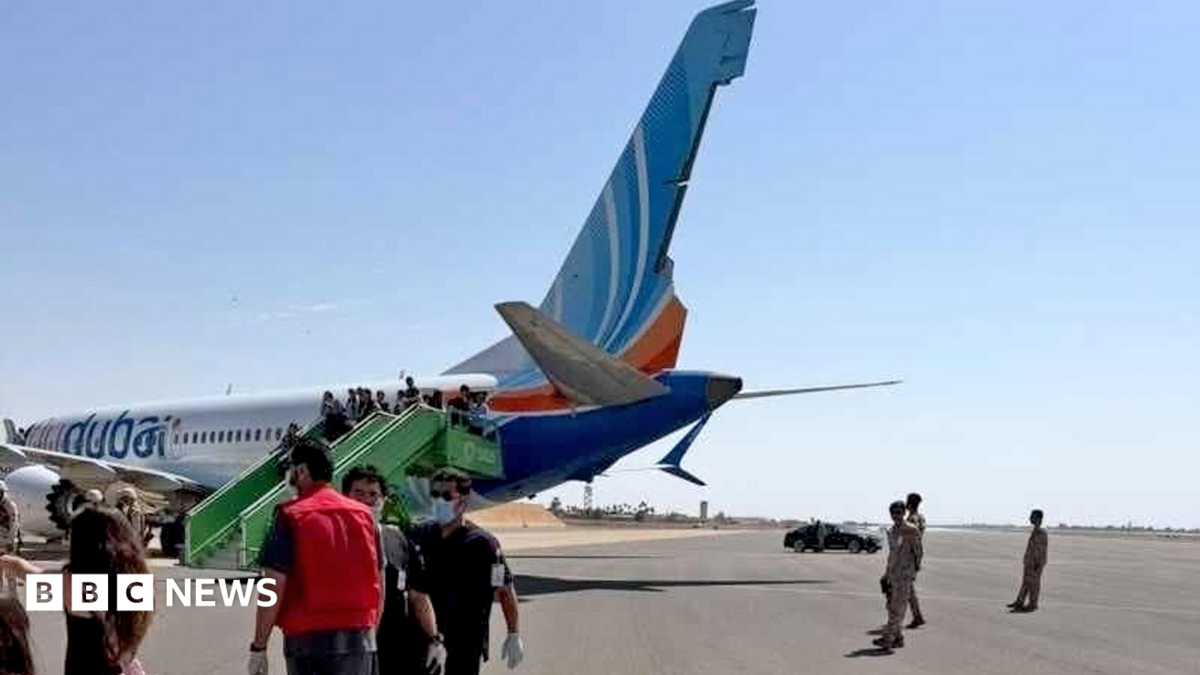
UAE officials blame extremist beliefs for an attempted hijacking of a Flydubai jet. The pilot allegedly used an axe to attack his colleague.
A Flydubai co-pilot allegedly tried to crash a plane into an Israeli airport. UAE officials say he acted alone in the attack. He reportedly used an emergency axe to wound the captain.
Passengers on board helped stop the pilot during the flight. Another crew member safely landed the jet in Saudi Arabia. No passengers died during this dangerous incident.
Why this matters
This event highlights major safety risks in modern air travel. Cockpit doors usually protect pilots from outside threats. This incident shows that threats can come from inside the cockpit.
Also, the case brings attention to aviation security protocols. Airlines now face pressure to improve mental health screening for staff. Passengers expect safety when they board a commercial flight.
Furthermore, the investigation into the pilot's past provides new data. Officials want to know how radical groups recruit people. This helps global agencies stop future violent plots.
The Investigation Findings
UAE Attorney-General Hamad Saif al-Shamsi released new details on Friday. He said the pilot's radicalization began during his studies in Australia. The suspect left an engineering program before he finished.
Next, the pilot reportedly consumed extremist content online for years. He also trained in boxing to prepare for his attack. Investigators say he wanted to commit a suicide mission.
However, officials are still checking if he had any real help. The pilot claimed he acted by himself during the flight. Experts are looking for any secret ties to terrorist groups.
Flight Details and Safety
The plane experienced a sharp dive during the struggle. A flight instructor simulated the 17,000-foot drop later. He noted the plane moved at dangerous speeds during the fall.
Meanwhile, the captain fought back despite his injuries. Other crew members acted quickly to regain control of the jet. Their bravery likely saved over 170 lives on board.
Finally, Australian police are reviewing the pilot's history in their country. They are working with international partners to gather evidence. This probe remains a top priority for security teams.
How we got here
- 2014: The pilot received an Australian student visa.
- 2015-2017: The man attended an engineering program in Australia.
- 2017: Officials believe the pilot began his drift toward extremism during this time.
- September 30: The pilot allegedly attacked the captain on a flight to Tel Aviv.
- Last week: The UAE attorney-general confirmed findings regarding the pilot’s motives.
What happens next
Authorities will continue to interview people who knew the pilot. They hope to find any signs of his plans before the flight. This will help them understand his radical path better.
Then, aviation regulators will likely change cockpit security rules. They may require more frequent psychological checks for all pilots. These changes aim to prevent similar attacks in the future.
Finally, courts will decide the pilot's legal fate in the UAE. The legal process may take several months or longer. Investigators will more findings as they verify the evidence.