
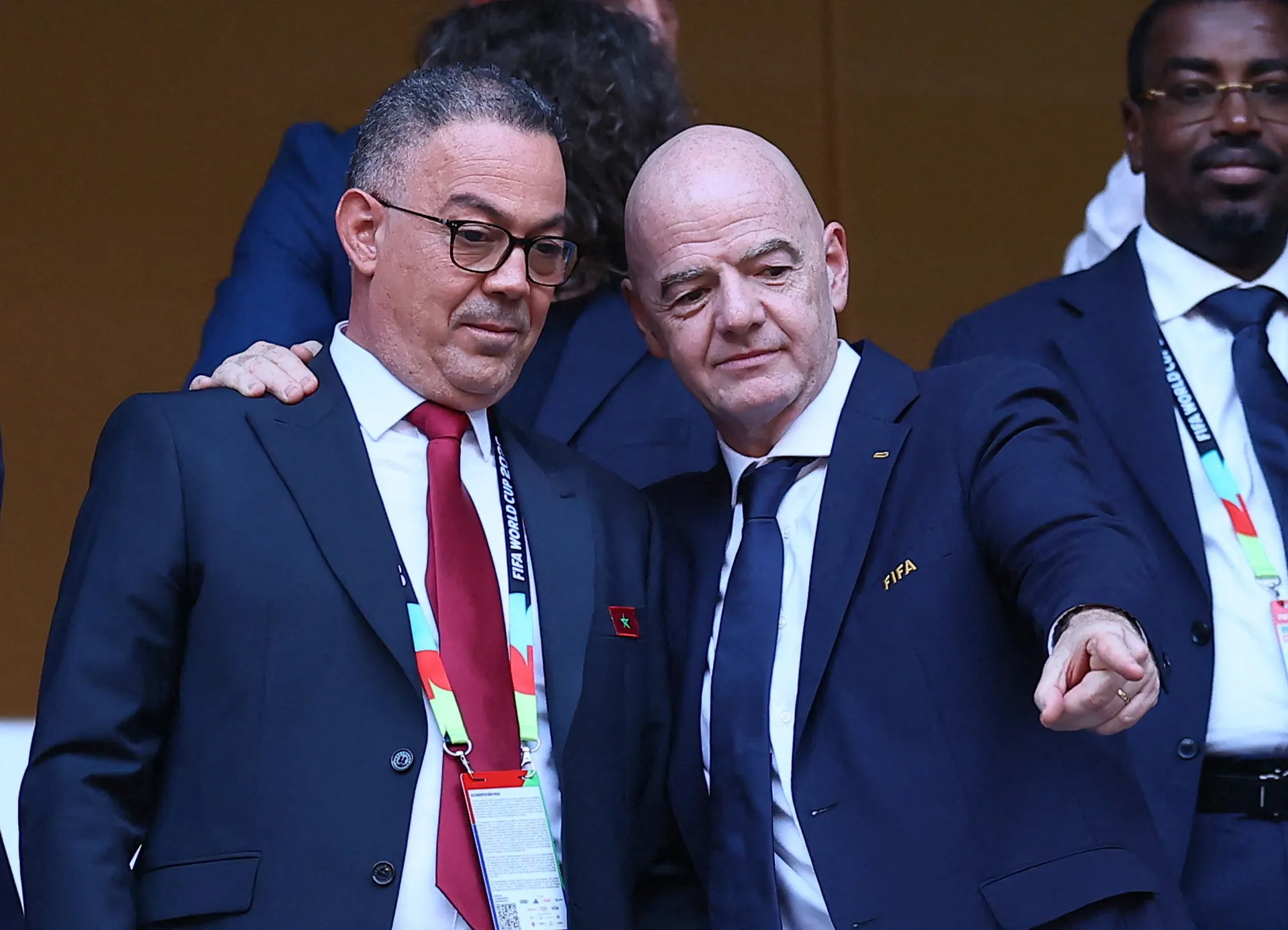
FIFA has officially clarified that the host venue for the 2030 World Cup final has not yet been determined, countering recent claims made by Moroccan officials.
The global governing body for association football, FIFA, has officially refuted recent assertions regarding the selection of the host venue for the 2030 World Cup final. Speculation intensified following remarks made y been finalized. In a formal response to media inquiries, FIFA clarified that no definitive determination has been reached regarding which stadium will host the tournament's concluding match.
FIFA’s statement emphasized that the selection process for the final venue remains ongoing and will be concluded at an appropriate time. The organization underscored that such significant logistical decisions require careful consideration and formal approval, dismissing the notion that any unilateral agreements or public declarations have already secured the rights for any specific location.
Morocco is set to co-host the 2030 World Cup alongside Spain and Portugal, marking a historic moment for the sport. This partnership represents only the second time an African nation will host matches during the prestigious tournament, the first being South Africa's hosting duties in 2010. The collaborative bid between these three nations across two continents has been touted as a symbol of cross-cultural unity and athletic cooperation.
Central to Morocco's ambitions is the construction of the King Hassan II Stadium, a massive project located near Casablanca. Designed to accommodate 115,000 spectators, the facility is intended to be a flagship venue for the country's football infrastructure. Moroccan officials have expressed immense pride in the project, viewing it as a world-class arena capable of hosting the most significant matches in international football, including the final itself.
The controversy emerged after Fouzi Lekjaa, the president of the Royal Moroccan Football Federation, reportedly addressed a political gathering in which he spoke with conviction about the hosting rights. His comments, which suggested that the Benslimane region would host the final, were met with significant attention from both the local and international press. The tone of these remarks implied a level of certainty that FIFA has since moved to dampen.
sparked a flurry of debate regarding the transparency of the selection process. FIFA’s subsequent intervention serves to recalibrate the narrative, ensuring that the bidding process for the final remains tethered to established institutional procedures rather than public political rhetoric.
Beyond the logistical concerns, the bidding process for the 2030 World Cup has been subject to various forms of scrutiny. Reports from British media outlets have previously speculated on the potential influence of political support in the lead-up to FIFA elections. Specifically, allegations surfaced suggesting that promises regarding tournament hosting rights might be used as leverage during leadership campaigns.
FIFA has categorically denied these claims, maintaining that the integrity of the selection process is paramount. The organization continues to navigate the complexities of managing a multi-nation, tri-continental tournament. As the preparations for 2030 move forward, the emphasis remains on meeting infrastructure requirements and ensuring that all host nations adhere to the rigorous standards set forth ations.


