

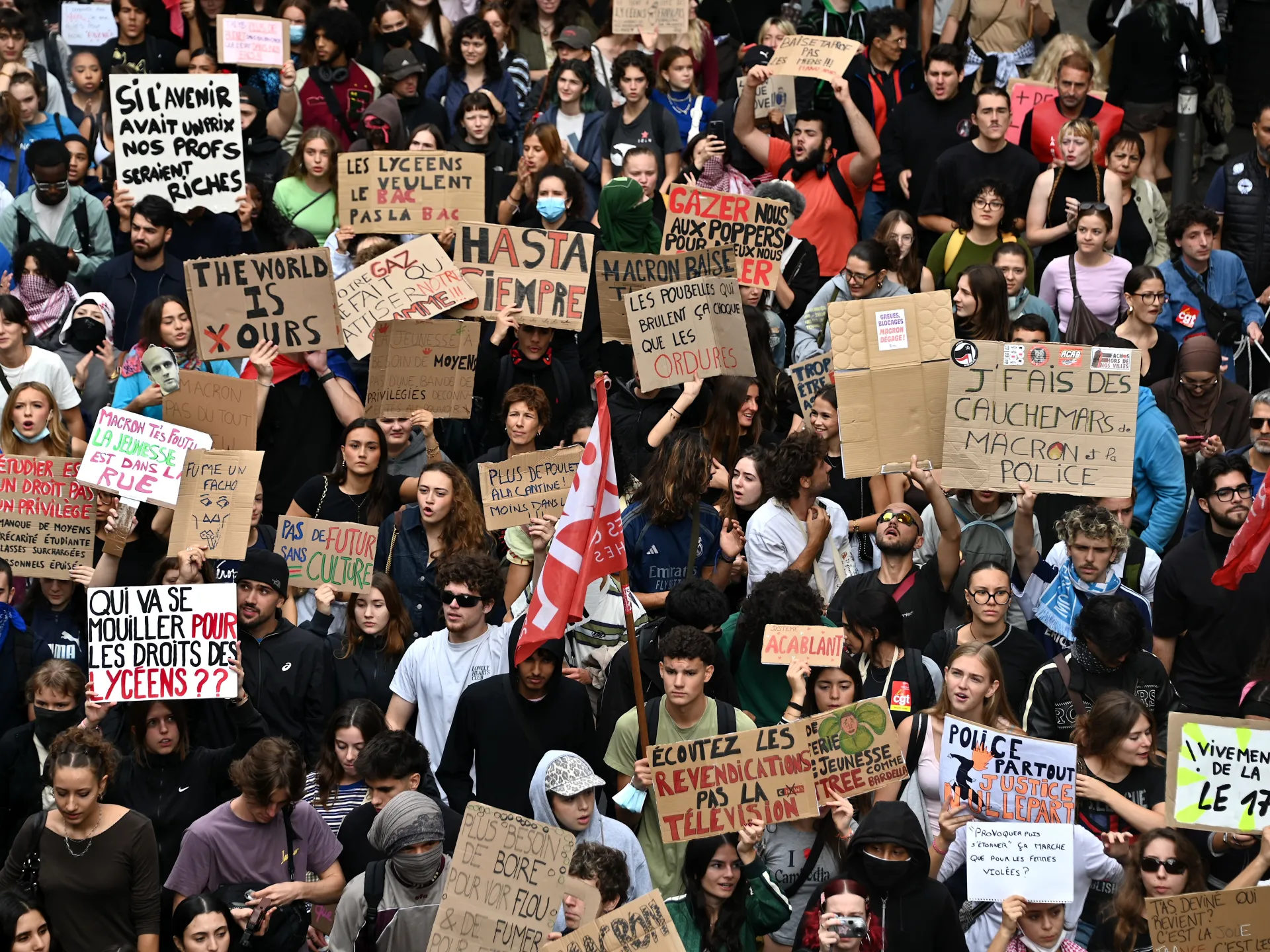
Protests are spreading across Europe as citizens struggle with high costs and low wages. Governments now face pressure to solve these economic issues.
Europe currently faces a period of widespread public anger. Citizens across many nations express deep frustration with their daily lives.
Meanwhile, France deals with significant civil unrest. Students recently organized protests to highlight issues like overcrowded classrooms and teacher shortages.
Also, these French demonstrations grew into a much larger public outcry. Many people now join these protests to voice their concerns.
Next, similar protests erupted in several other European countries. People in Belgium, Italy, Portugal, Spain, and Albania took to the streets.
However, the specific reasons for these protests vary by location. Some citizens struggle with unaffordable housing or low wages for their work.
Furthermore, others focus on the rising costs of fuel and energy. Many people also demand better education and more political accountability.
As a result, a common feeling of frustration spreads across the continent. People feel they pay more money while receiving fewer services.
Still, many workers struggle to afford a decent life today. They find it difficult to survive even with steady employment.
Finally, government leaders face intense pressure to provide immediate relief. They must manage high national debt and rising costs for borrowing.
After that, the situation becomes more complicated for these officials. Many countries face the added stress of upcoming national elections.
Consequently, the risk of a new debt crisis looms over the Eurozone. France sits at the center of these economic concerns.
Now, citizens wait to see if their leaders can solve these deep problems. The future of the region depends on these difficult choices.