
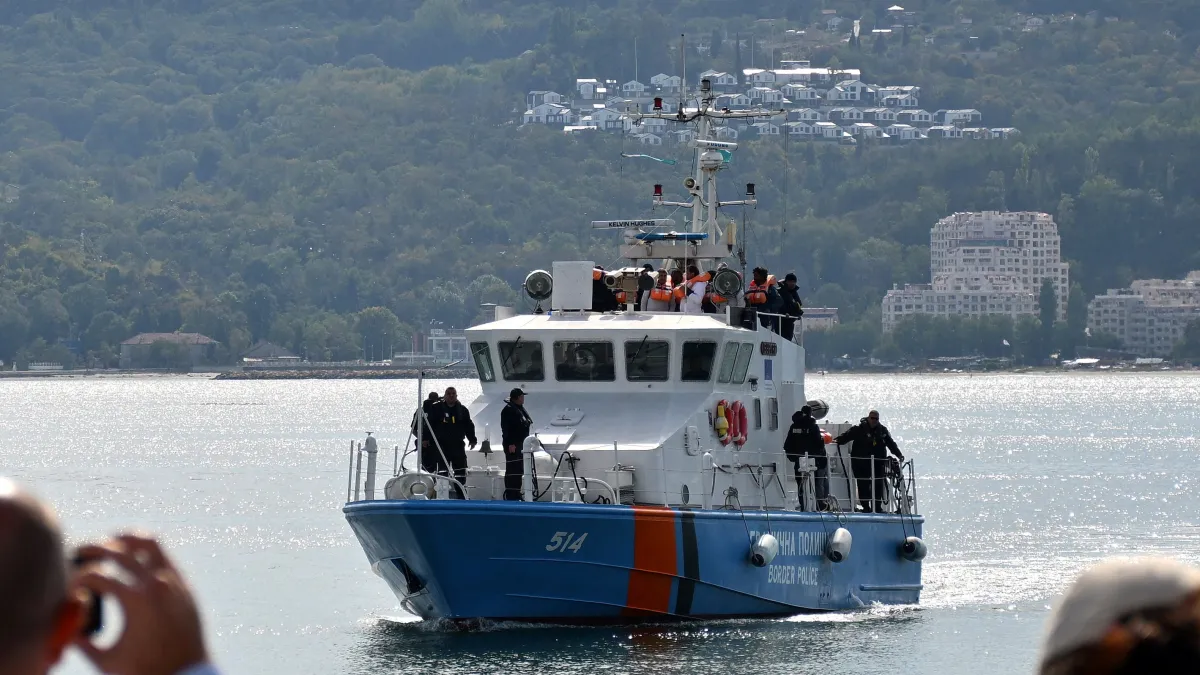
A ship sank off the Bulgarian coast after a drone attack, while Houthi rebels launched deadly missile strikes against a major Saudi airport.
A recent drone attack destroyed a ship off the coast of Bulgaria. The incident occurred in the Black Sea. Bulgarian officials confirmed the sinking following a rescue operation. This event raises new concerns about security in the region.
Meanwhile, Houthi forces launched missile attacks on the Riyadh international airport in Saudi Arabia. This was the second strike on the facility in two days. At least one person died in the latest attack. Officials reported eleven people were injured during the incident.
Why this matters
These attacks show how conflicts in different parts of the world are growing. The Black Sea incident sparks fears about hybrid warfare. Experts worry that maritime trade routes face increased danger. Disruptions here could hurt global supply chains significantly.
Also, the strikes on Saudi Arabia represent a massive escalation. The Houthi group explicitly warned civilians to avoid airports. This threat changes the way people view air travel safety in the Middle East. It forces governments to rethink their security strategies for public infrastructure.
Furthermore, these events stretch international resources. World powers must now watch both the Black Sea and the Arabian Peninsula. Every new strike complicates efforts to find a peaceful solution. Leaders face pressure to act while trying to prevent a larger war.
New developments in the conflicts
In the Black Sea, rescue crews worked to those aboard the damaged ship. Bulgarian border police helped pull survivors from the water. Authorities are now investigating the source of the drone strike. Many officials worry this points to hidden aggression by outside forces.
Then, the situation in Saudi Arabia turned deadly. Saturday’s attack killed 13 people and injured over 300 others. Sunday’s strike caused a fire in a passenger hall. The Saudi-led coalition called the coordinated assault a war crime.
Also, the Houthi rebels claimed responsibility for the airport strikes. They vowed to continue targeting Saudi airports, except for those in holy cities. Brig Gen Yahya Saree said the group used missiles and drones. They specifically targeted oil sites and the Dammam airport as well.
Finally, world leaders responded to the violence. President Trump promised a quick decision on how to address the Houthi actions. The UK also suggested it might provide more help to Saudi Arabia. These statements indicate that global involvement could increase soon.
How we got here
- February: War began between Israel, the US, and Iran.
- Early October: Houthi rebels launched a series of attacks on Saudi oil and air facilities.
- October 6: A drone attack sank a ship off the Bulgarian coast in the Black Sea.
- October 10: Houthi missiles struck the Riyadh international airport, killing 13 people.
- October 11: A second strike hit the Riyadh airport, resulting in one additional death.
What happens next
Now, investigators will examine the wreckage of the ship near Bulgaria. They hope to find evidence linking the drone to a specific nation. This will likely shape how the European Union reacts to the sinking.
After that, Saudi Arabia and its allies will likely plan a military response. They view these strikes as a direct act of war. Tensions will remain high as the Saudi government boosts its air defense systems.
Meanwhile, the international community will watch for more Houthi operations. Airlines may change flight paths to avoid the region. These precautions could cause major delays for travelers worldwide. The coming weeks remain critical for regional stability.