
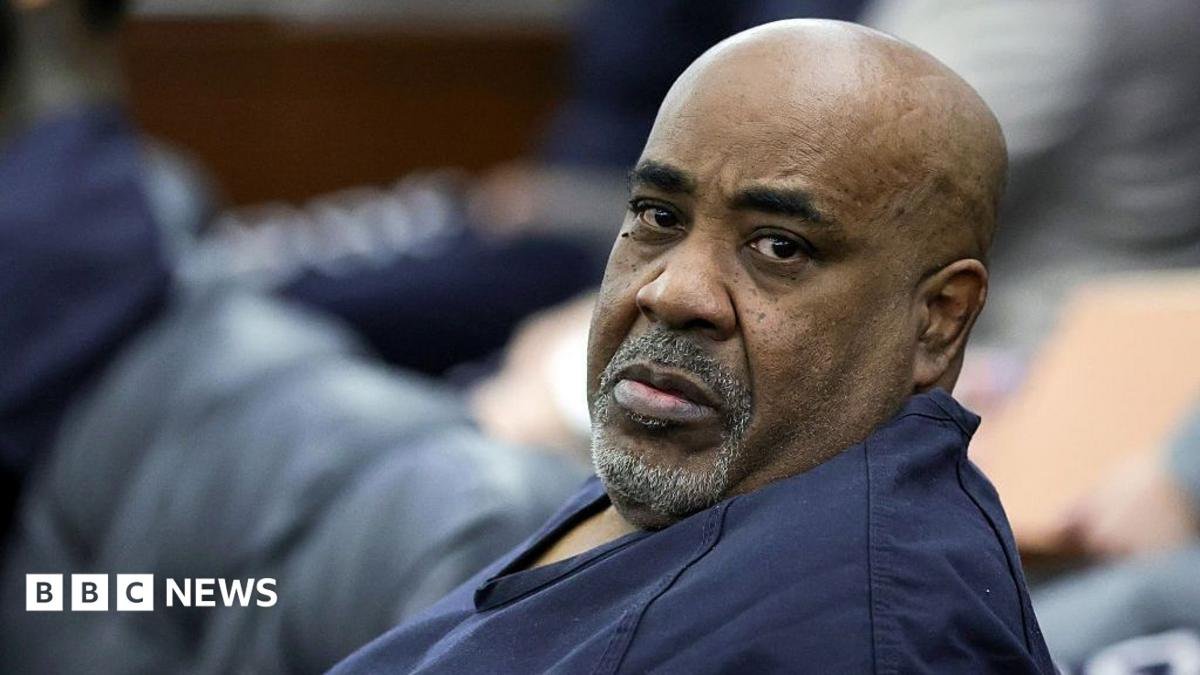
A judge sentenced Duane "Keffe D" Davis to at least 40 years for his role in the 1996 death of rapper Tupac Shakur.
Why this matters
This case highlights the power of modern investigative work on decades-old crimes. Prosecutors used public confessions and books to build their successful legal strategy. The trial proves that digital footprints and interviews can eventually lead to courtroom consequences. It also shows how the legal system deals with cold cases that involve famous figures.
Also, this verdict brings a sense of closure to the victim's grieving family. Tupac Shakur remained a major cultural influence long after his sudden death. The case demonstrates that public bragging about past violence carries heavy risks. No one is safe from the law, regardless of the time passed.
The path to conviction
Prosecutors argued that Davis acted as the mastermind behind the attack. He provided the weapon used to kill the rapper in Las Vegas. Although Davis did not pull the trigger himself, the jury found him responsible for the orchestration. He admitted his role in these events during several media interviews.
However, Davis claimed he had protection from earlier agreements with police. He originally spoke to authorities in 2008 while discussing the death of Notorious B.I.G. These statements were meant to be secret and shielded him from prosecution. Later, his 2019 memoir voided those previous protections and opened the door for charges.
Meanwhile, the victim's family members spoke during the sentencing hearing. Sekyiwa Shakur described how the loss crippled her family for nearly three decades. She asked the judge to give Davis the maximum possible sentence. Maurice Shakur also urged the court to deliver a long prison term.
Looking at the timeline
- 1996: Tupac Shakur dies following a drive-by shooting in Las Vegas.
- 2008: Duane Davis gives a secret police interview regarding the killing.
- 2019: Davis publishes a memoir detailing his role in the murder.
- September 2026: A jury finds Davis guilty of murder with a deadly weapon.
- October 2026: The judge hands down a sentence of at least 40 years.
What happens next
After the sentencing, Davis stated his clear intention to appeal the verdict. He told the judge he is ready to challenge the case legally. Lawyers for Davis will likely focus on his previous immunity agreements. The court process will continue as his defense team files new motions.
Then, the legal system will review the arguments for a potential new trial. Prosecutors remain confident in their case because of the evidence they presented. The world will watch to see if the sentence holds through the appeals process. For now, Davis remains in state custody to begin his prison term.