
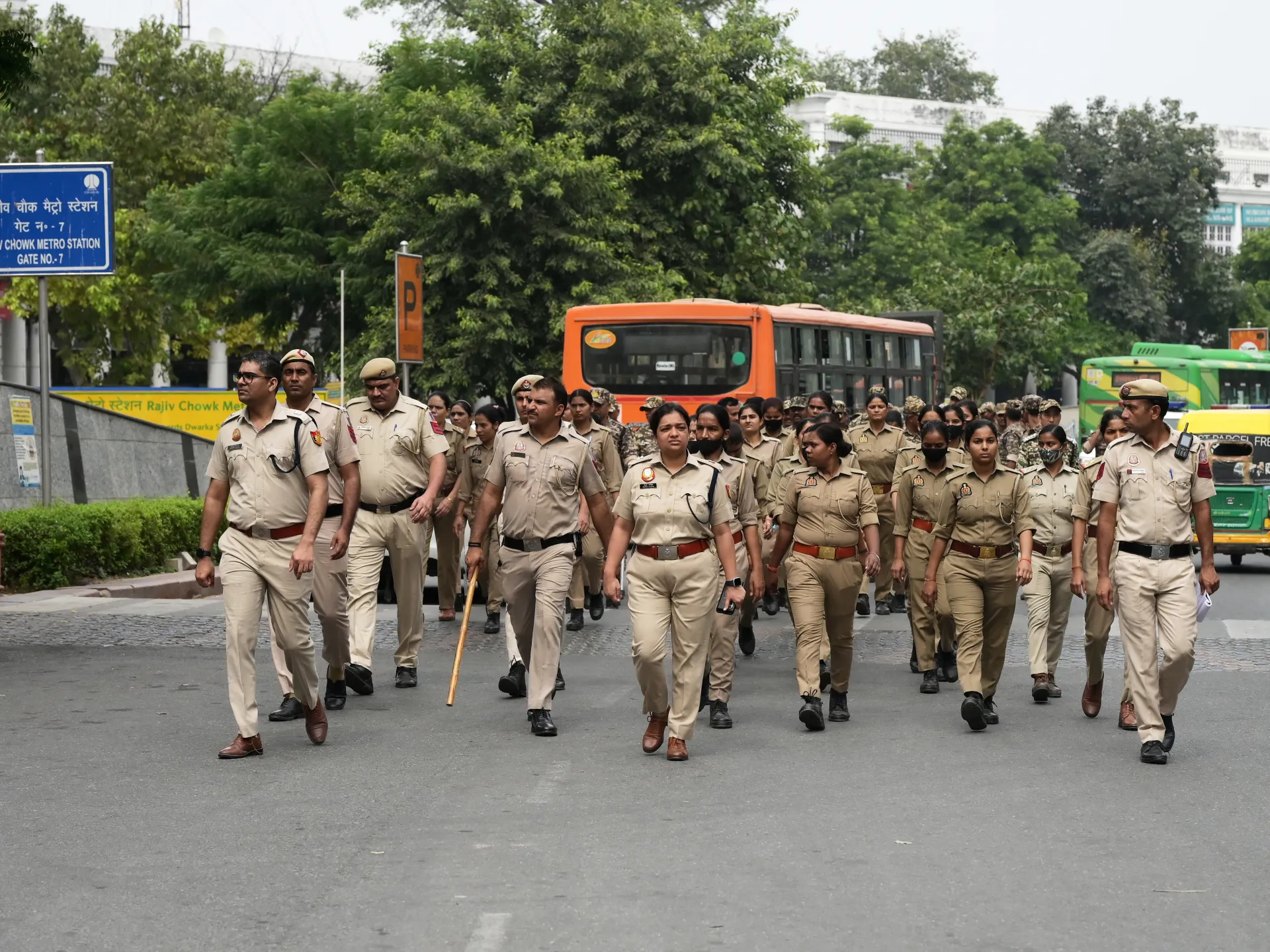
Protest leaders in India vow to continue their campaign for electoral reform despite recent arrests and heavy security in New Delhi.
Why this matters
Tensions remain high across New Delhi as citizens call for electoral changes. The movement challenges the current power structure of the nation. It highlights a growing divide between young voters and government officials. This struggle could change how future elections occur in India.
Furthermore, these protests signal a shift in political activism. Youth movements now use direct action to demand accountability. Security forces remain on high alert throughout the city. The government views these disruptions as a threat to public order.
However, activists insist that their cause is constitutional. They claim their right to peaceful assembly remains vital. The situation creates a complex legal battle for the country. Both sides now wait for the courts to decide the next steps.
Clashes and Legal Battles
Police detained thousands of protesters over the weekend in Delhi. Security personnel blocked major roads throughout the capital. They set up bright yellow barricades in popular shopping areas. Many shops and offices stayed closed during the unrest.
Then, authorities arrested key protest leaders as they arrived at the airport. Abhijeet Dipke and his colleagues faced immediate detention. A magistrate released the men on Sunday. The court order requires them to avoid further unrest for one year.
Still, the protest leaders vowed to keep fighting. They believe the current election commission must change. Their group demands the resignation of Chief Election Commissioner Gyanesh Kumar. The commission denies all claims of manipulating voter lists.
Opposition Joins the Movement
Meanwhile, the Congress party plans a new march to the Supreme Court. They want the top court to address the allegations of vote theft. The opposition party supports the demands for new election leadership. This alliance adds significant pressure on the government.
Also, the protesters continue to organize their efforts. They emphasize that peaceful protest is a basic right. They argue that the government officials are the ones causing the real peace breach. Activists plan to maintain their visibility in designated protest zones.
Finally, the government maintains a heavy security presence. Thousands of police and paramilitary troops monitor the streets. Officials continue to restrict internet access in some areas to manage the flow of information. The city remains tense as both sides prepare for the upcoming court march.
How we got here
- May 2026: Abhijeet Dipke forms the Cockroach Janta Party to protest comments made by the Chief Justice.
- October 10, 2026: The group announces plans to demand the removal of the Chief Election Commissioner.
- October 10, 2026: Police deploy thousands of security personnel and barricade roads in central Delhi.
- October 11, 2026: Officers arrest three senior leaders at the airport upon their arrival.
- October 12, 2026: A court releases the leaders on the condition they maintain peace for one year.
What happens next
The opposition party will likely march to the Supreme Court soon. This action will force the judiciary to address the election complaints. The legal outcome could determine the future of the current election commission.
Also, the youth leaders will test the limits of their release conditions. They claim that peaceful protests do not count as a breach of peace. Future rallies will likely lead to more confrontations with the police.