

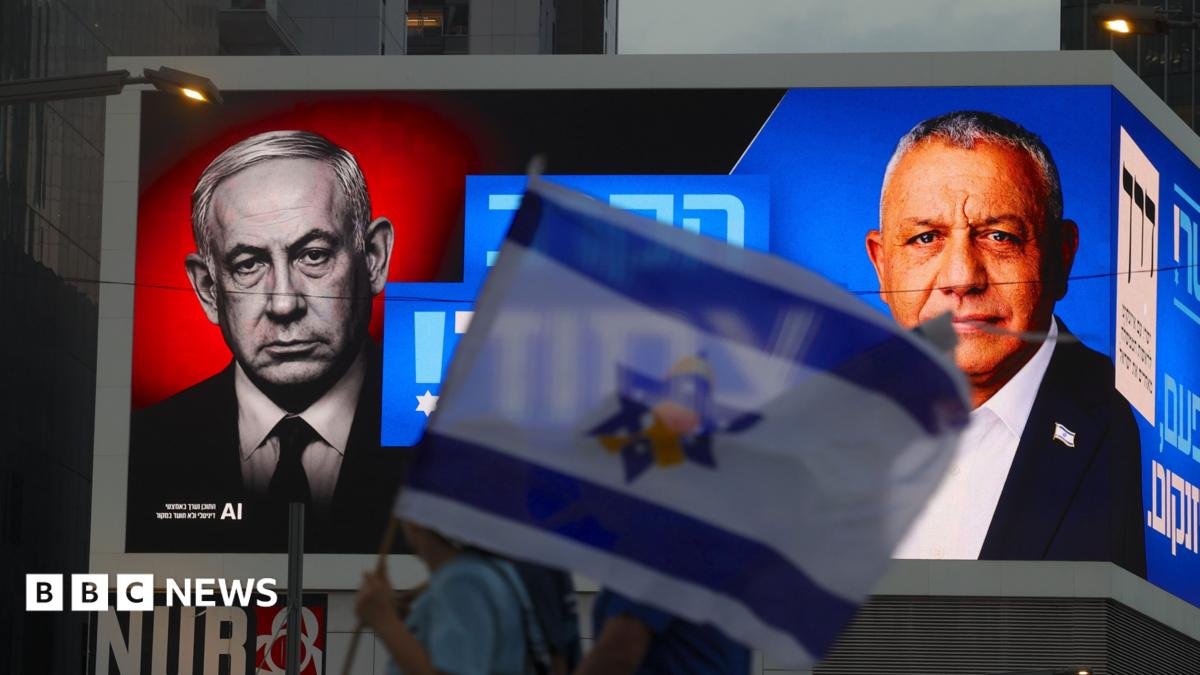
Israel prepares for a highly contested election as voters weigh security concerns against the future of the nation's democracy.
Israel faces a critical general election this Tuesday. The nation remains deeply divided after three years of regional conflict. Polls show the governing coalition and the opposition are currently tied.
Many citizens feel the stakes are very high. Around 500,000 first-time voters will head to the polls. Also, about 70,000 Israelis are traveling from abroad to cast their ballots.
Large crowds recently gathered in Tel Aviv to demand government change. Opposition supporters want better security and an end to political corruption. They hope for a new direction for the country.
Meanwhile, Gadi Eisenkot has emerged as a major opposition figure. He is a former military chief known for his calm, non-political style. His centrist party frequently competes with Benjamin Netanyahu’s Likud party.
Eisenkot focuses on the identity of the state. He advocates for a democratic, tolerant, and egalitarian Israel. He also promises an official inquiry into the October 7 attacks.
However, Prime Minister Benjamin Netanyahu keeps his focus on national security. He uses the slogan "No Surrender" to rally his base. He warns that his rivals might compromise the country's safety.
Netanyahu’s supporters believe he is the best leader to navigate ongoing wars. They see him as a strong man who protects Israel. Some voters remain loyal despite the security failures of the past.
Still, some right-wing voters are moving toward more extreme parties. Many young people feel that peaceful paths no longer work. They prefer a forceful approach regarding the Palestinians.
Conversely, some residents near the Gaza border seek a change in leadership. They prioritize humanity, education, and social issues over purely militant policies. Voters are split on how to address these internal problems.
Finally, the election could end in a deadlock. Neither side may secure a clear majority to form a government. This uncertainty leaves the country facing both political and security challenges.