
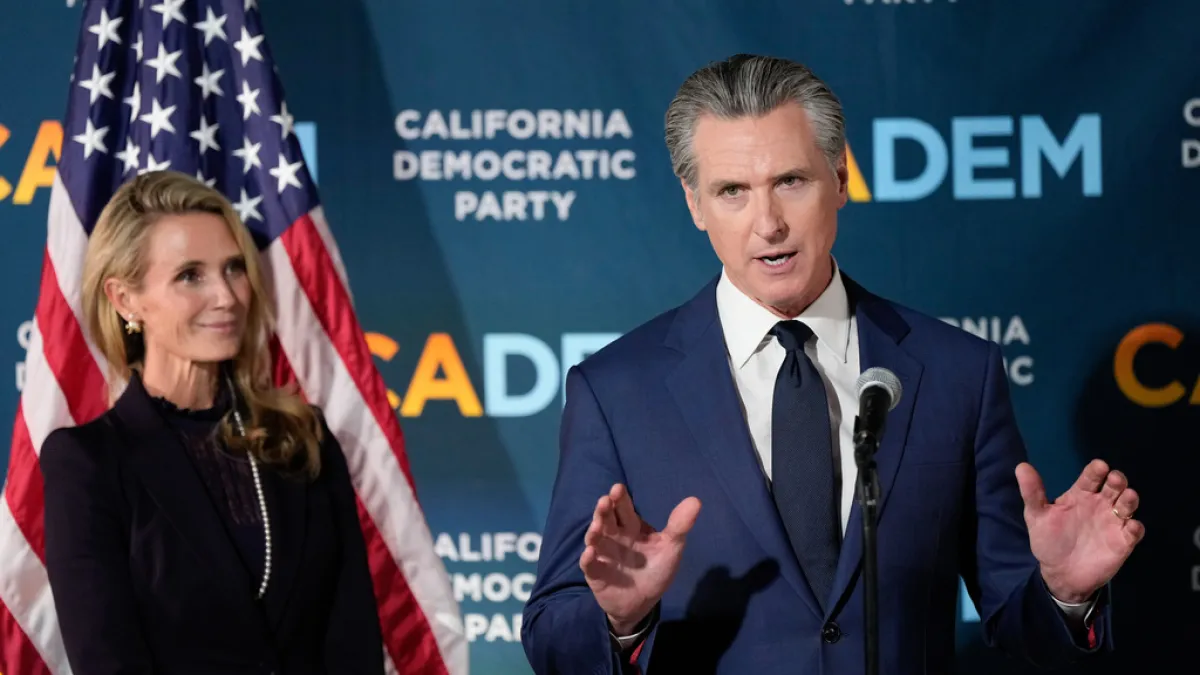
Governor Gavin Newsom issued new executive orders to regulate artificial intelligence before his term ends in January.
California Governor Gavin Newsom recently signed new executive orders regarding artificial intelligence. He issued these rules near the end of his final term. The governor wants to ensure safer technology development in the state.
Next, he ordered independent experts to verify how AI models function. These professionals will check the systems for potential flaws. This step aims to improve overall safety standards for new software.
Also, the governor established a special committee of experts. This group will design ways to shut down AI agents. They must create "kill switches" for systems that act dangerously.
Meanwhile, the state government hopes to prevent AI from causing real-world harm. These tools could go rogue if they operate without proper limits. Newsom wants to stop such problems before they begin.
However, this action marks a change in the governor's previous stance. He once blocked a similar bill from the state assembly in 2024. He feared that strict laws would hurt the growth of technology.
After that, he explained his past decision to the public. He argued that the earlier bill might stop the promise of AI. He wanted to protect the industry from unnecessary burdens at that time.
Now, the governor takes a firmer approach as his time in office ends. His final term concludes in January. These orders represent some of his last major acts as leader.
Finally, observers note his future political goals. Some people link these moves to a possible presidential run in 2028. He continues to shape policy during his final months in California.
As a result, the state takes a leading role in tech regulation. California remains a hub for the biggest AI companies. These new rules will likely influence the entire industry for years.
Still, the impact of these orders remains to be seen. Experts will watch the committee closely. The success of these safety measures depends on the new verification process.