

The Ballon d’Or faces criticism for favoring European stars and attacking players. Many argue the award ignores talent from other regions and positions.
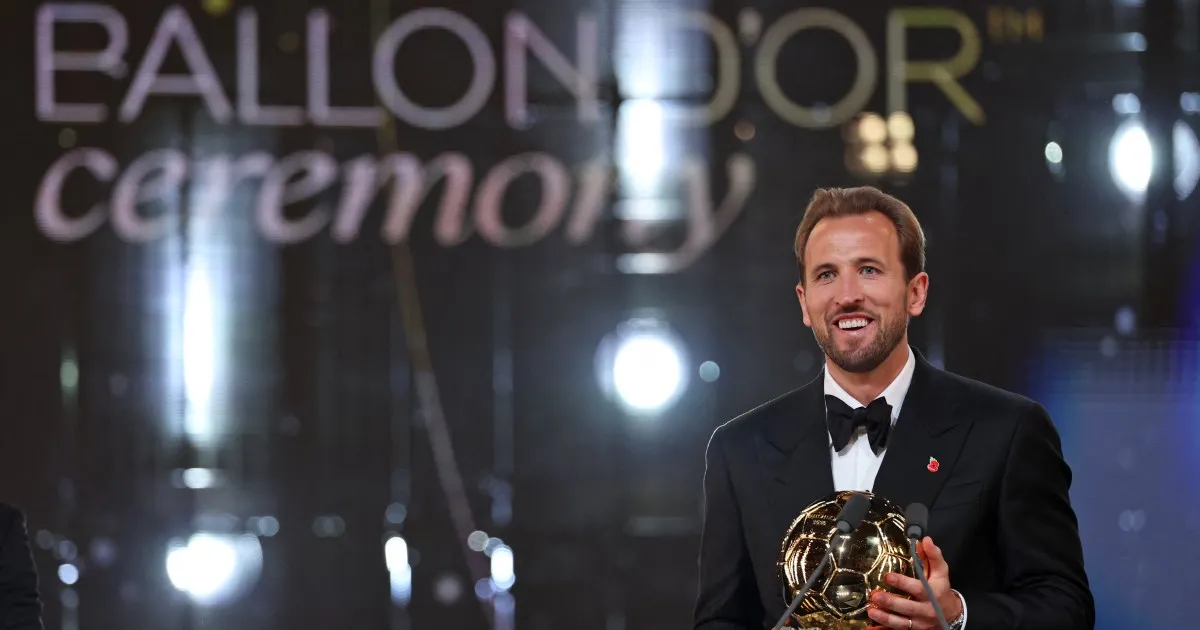
The Ballon d’Or stands as the most famous individual prize in professional soccer. Harry Kane recently became the first English player to win since 2001. This victory sparks debate about how to judge individual talent in a team sport.
Meanwhile, the long rivalry between Lionel Messi and Cristiano Ronaldo dominated the award for nearly two decades. These two stars collected 13 trophies between 2008 and 2025. Their fame often pushed other important questions out of the spotlight.
Also, critics worry that commercial interests now drive the award more than true skill. Players act as their own brands in the modern entertainment industry. Experts argue that this marketing focus changes the spirit of the competition.
Next, the award shows a clear bias toward attacking players. Strikers and midfielders consistently beat out defenders and goalkeepers for the title. Very few defensive players have ever received this honor in the history of the game.
Still, defenders and goalies contribute just as much to a team's success as those who score goals. Fabio Cannavaro once noted that keepers deserve more credit for their work. Yet, voters rarely look past the top scorers on major European teams.
After that, the focus on European leagues highlights another major flaw. The award excluded non-European players for nearly forty years. Even after lifting these restrictions, the trophy rarely goes to players based outside of Europe or South America.
Furthermore, George Weah remains the only African player to win the award. He claimed the prize back in 1995 while playing in Europe. Many legends like Samuel Eto’o deserved the honor but never received it.
Finally, the organizers should rethink how they select the winner. They need a global view that honors talent from every continent. The award must celebrate excellence in all positions to remain relevant today.