

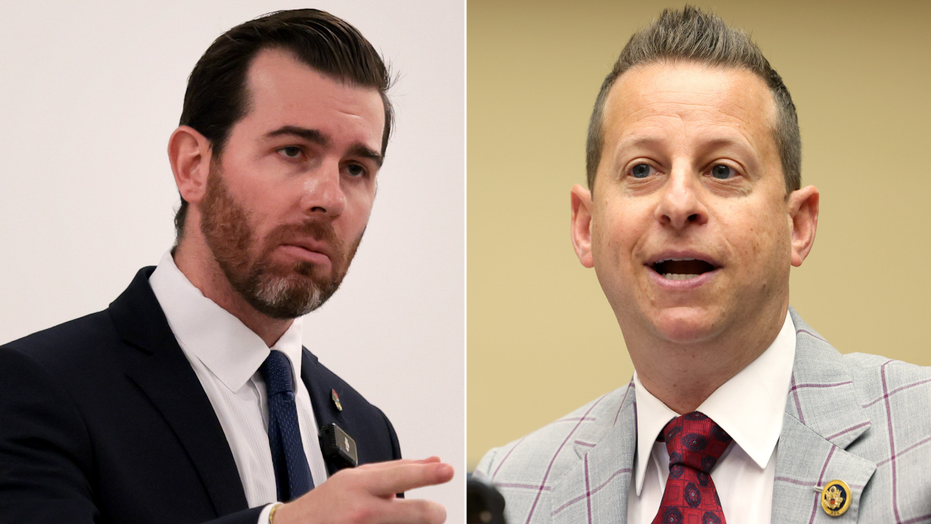
Internal party divisions are coming to a head as progressive insurgents challenge moderate incumbents in key primary elections across several states.
The Democratic Party is currently navigating a period of significant internal volatility as primary elections move into key battlegrounds across the United States. Observers have noted that the ideological divide between progressive insurgents and more traditional, moderate incumbents has reached a boiling point. As voters head to the polls in states such as Florida, Alaska, and Wyoming, the outcomes of these contests are being closely watched for their potential impact on the balance of power within the House of Representatives.
This civil war within the party ranks is characterized didates are increasingly challenging established figures, arguing that the party needs a more aggressive approach to social and economic issues. Conversely, moderate Democrats are focusing on electability and the need to maintain a broad coalition to defend their majority in upcoming legislative sessions. The friction between these factions reflects a broader national conversation about the identity and future direction of the Democratic platform.
The primary races occurring this week are not merely local affairs; they carry substantial weight for the national political landscape. With the House of Representatives currently operating on thin margins, every primary election serves as a potential pivot point for the party's ability to maintain its legislative agenda. Strategists are concerned that the ongoing infighting could drain resources and energy that would otherwise be directed toward general election campaigns against Republican opponents.
In districts where the internal struggle is particularly pronounced, there is a legitimate concern regarding voter turnout and party unity. If the rift between the left-wing base and the moderate establishment remains unbridged, it could create opportunities for opposition candidates to gain ground in historically safe districts. The outcome of these primaries will likely dictate whether the party enters the next general election cycle as a cohesive unit or as a fractured organization struggling to align its base.
Beyond the immediate primary results, the broader political climate remains characterized their dissatisfaction with status quo politics, a sentiment that has fueled the rise of insurgent candidates across the political spectrum. This desire for systemic change is prompting candidates to take more extreme positions to differentiate themselves from their rivals, further complicating the internal dynamics of the Democratic Party.
As these local races unfold, they serve as a microcosm of the intense pressure facing political organizations in the modern era. The combination of intense primary battles and the overarching struggle for control of Congress highlights the fragility of current political alliances. Whether these internal conflicts ultimately lead to a revitalized party platform or a weakened electoral presence remains the central question for political analysts as the voting process concludes.
Following the conclusion of these high-stakes elections, the focus will inevitably shift toward reconciliation and strategic realignment. Party leadership faces the difficult task of bringing disparate wings together to ensure that the eventual nominees have the necessary support to compete effectively in the general election. This process is expected to be fraught with difficulty given the heated rhetoric that has defined the current primary cycle.