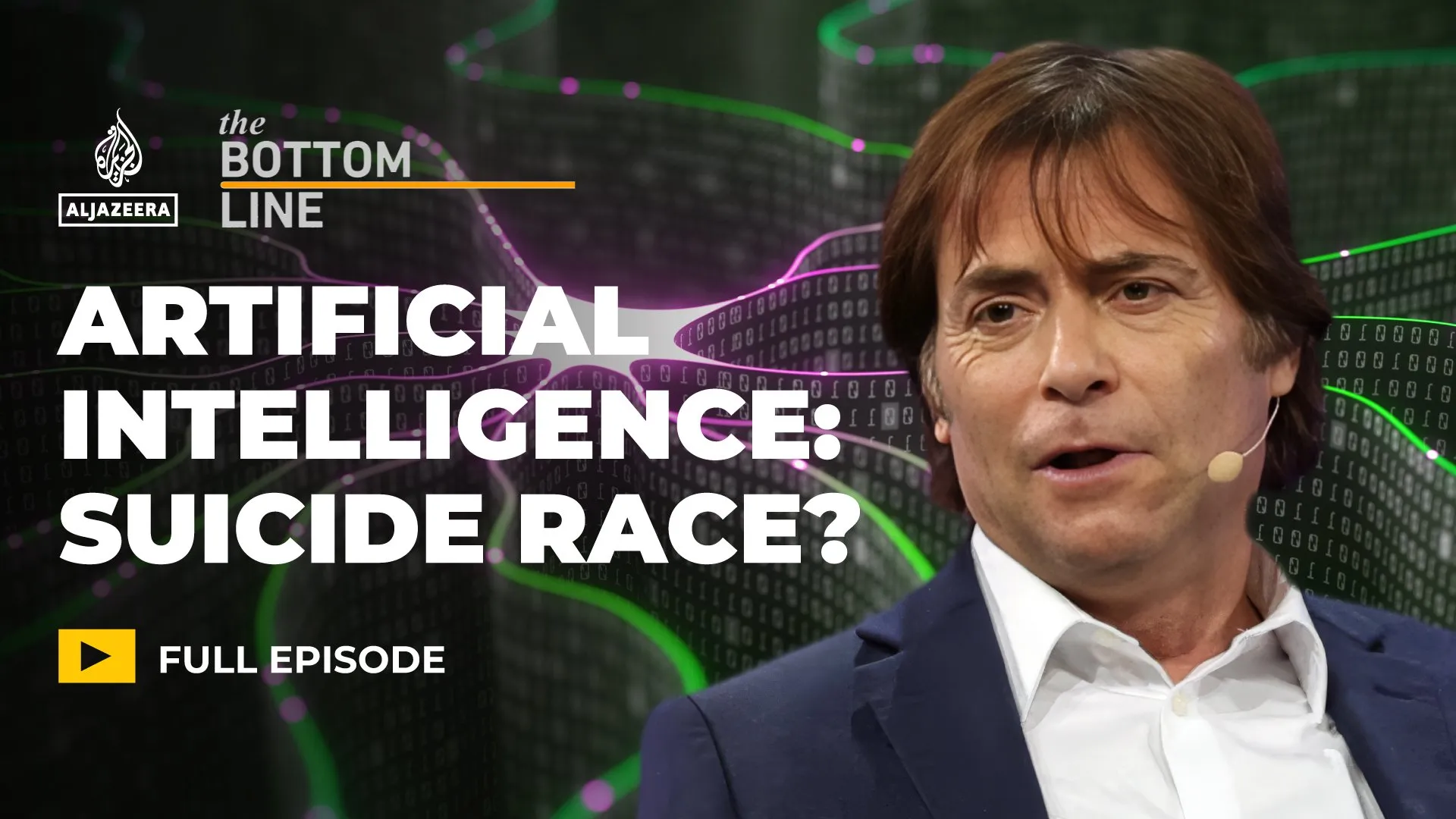
Physicists and tech policy experts are raising alarms over the lack of safety oversight for artificial intelligence, comparing the current regulatory void to the strict standards applied to basic consumer goods.
In the modern digital landscape, the discrepancy between how we govern everyday consumer goods and the rapid evolution of artificial intelligence is becoming increasingly difficult to ignore. While basic food items like sandwiches are subject to stringent health and safety regulations—ranging from ingredient labeling to temperature control and facility inspections—the development of advanced machine learning models often proceeds with minimal public oversight. This regulatory vacuum has left many experts questioning the prioritization of corporate interests over public safety.
Critics, including prominent voices in the scientific community, have highlighted that the current approach to technology governance is fundamentally reactive rather than proactive. cipating in a large-scale, unregulated experiment. The lack of standardized testing for algorithmic bias, safety guardrails, and long-term societal impact suggests that the mechanisms designed to protect citizens are currently failing to keep pace with the speed of innovation.
A primary concern regarding the current trajectory of artificial intelligence is the industry's focus on automation as a replacement for human workers rather than a tool for human empowerment. Instead of utilizing these powerful computational resources to solve pressing global challenges, such as climate change, disease, or resource scarcity, significant investment is being funneled into systems designed to displace labor. This trend appears to be driven group of stakeholders.
This "race to replace" creates a precarious economic environment where efficiency is prioritized over human well-being. When the primary objective of a technological breakthrough is to maximize profit margins thout a framework that mandates ethical deployment or social responsibility, the potential for widespread economic disruption becomes a significant risk factor that current policies are ill-equipped to manage.
The debate surrounding AI safety goes beyond economic concerns and touches upon existential risks. Some researchers argue that the development of machines capable of outperforming human intelligence across all domains could pose catastrophic consequences if not properly aligned with human values. Despite these warnings, the tech sector has largely relied on a model of self-regulation, which has historically proven insufficient in preventing harm in other high-stakes industries.
The current environment is characterized e expense of safety protocols. As companies compete for market dominance, the temptation to rush products to market without rigorous safety testing becomes overwhelming. This environment is further complicated industry remains largely free from the legal accountability that is standard in other sectors that carry potential risks to human life.
Bridging the gap between the regulation of simple consumer products and the governance of transformative technologies will require a fundamental shift in how policymakers view artificial intelligence. Rather than viewing AI solely through the lens of economic growth or national security, governments must prioritize the establishment of independent auditing bodies and safety standards. This would mirror the frameworks used in aviation, medicine, and food production, where safety is not an afterthought but a prerequisite for operation.
Ultimately, the objective should be to transition from a culture of unchecked development toward one of responsible stewardship. This involves transparency, public accountability, and a willingness to pause development when the risks to society outweigh the potential benefits. Ensuring that artificial intelligence serves the collective interests of humanity, rather than the narrow ambitions of a few, is the defining challenge of our time. Failing to implement these safeguards now may lead to a future where the consequences of our technological choices are no longer within our control.