

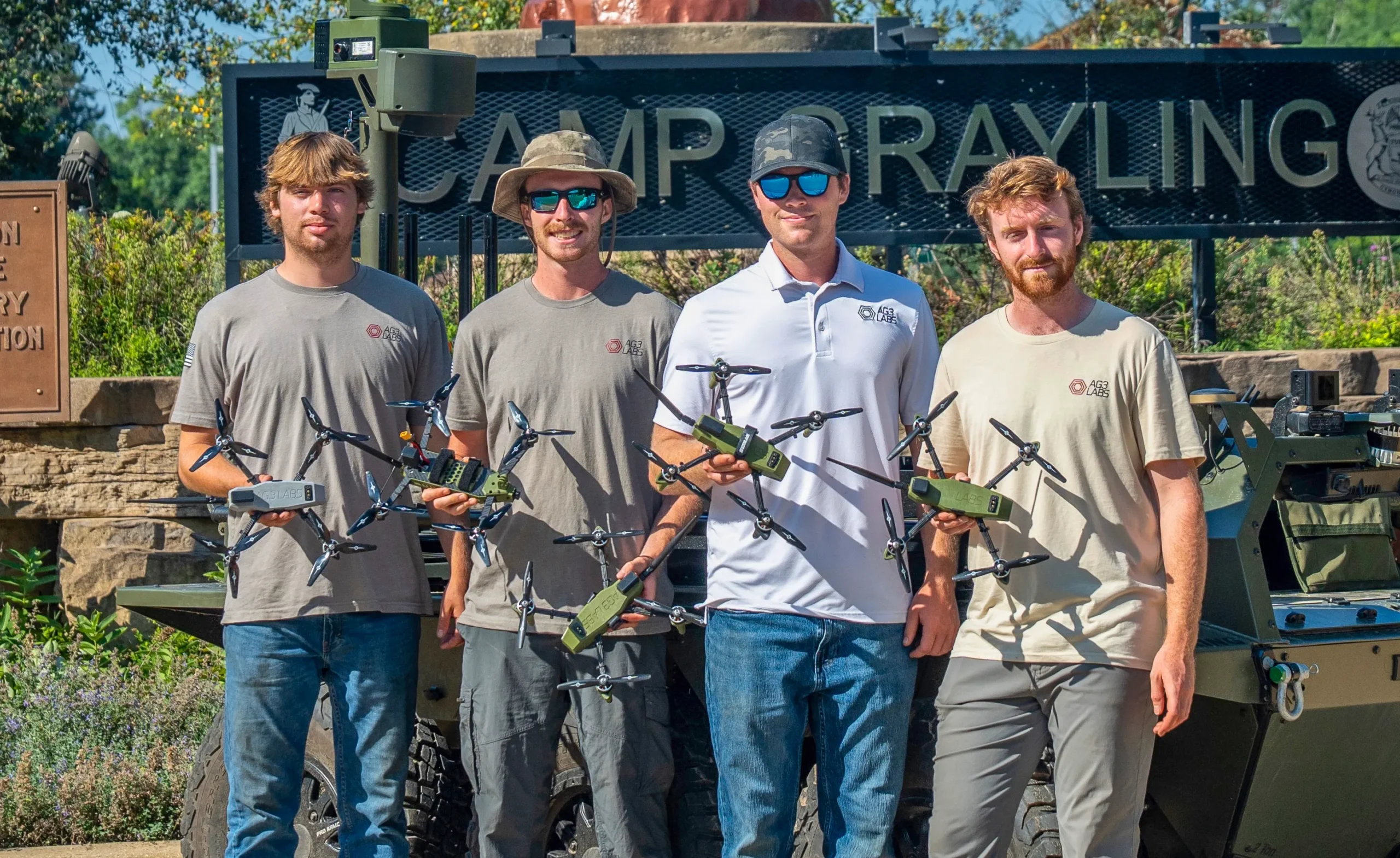
A former university student credits a NASA research challenge for his success in the drone industry. He now runs a company building military training drones.
Five years ago, Gavin Gardner studied engineering at Michigan State University. He joined a NASA grant project to research new drone technology. He soon realized that engineering was only part of the work. Managing money and budgets proved to be a difficult task.
Next, Gardner and his team learned about crowdfunding and promotion. They needed to explain their complex ideas to the public. NASA’s University Student Research Challenge helps students learn these vital business skills. The program supports college teams as they pursue aeronautical goals.
Also, Gardner credits the program for his professional growth. He learned to communicate clearly without using overly technical language. This balance of engineering and business skills helped him succeed. He now understands how to sell a product effectively.
Meanwhile, the Gardner brothers started their interest in machines during childhood. They spent many hours in their family garage tinkering with drones. Gavin later joined a drone club at Michigan State to gain practical experience.
After that, his team received a NASA grant for an electric delivery drone project. They designed a drone that could dock on city buses to recharge. Although they did not sell that specific product, the project built their confidence.
Later, the team won a second NASA award for a laser-powered drone system. This project allowed Gardner to network with experts at the NASA Glenn Research Center. He eventually secured an internship through these valuable professional connections.
Finally, Gardner and his partners started a company called AG3 Labs in 2024. They specialize in building drones for military training exercises. The company now produces thousands of drones every month for defense contracts.
As a result, NASA officials are proud of these student achievements. The program acts as a launchpad for many innovative careers. Gardner continues to use the lessons he learned from his time with NASA today.