

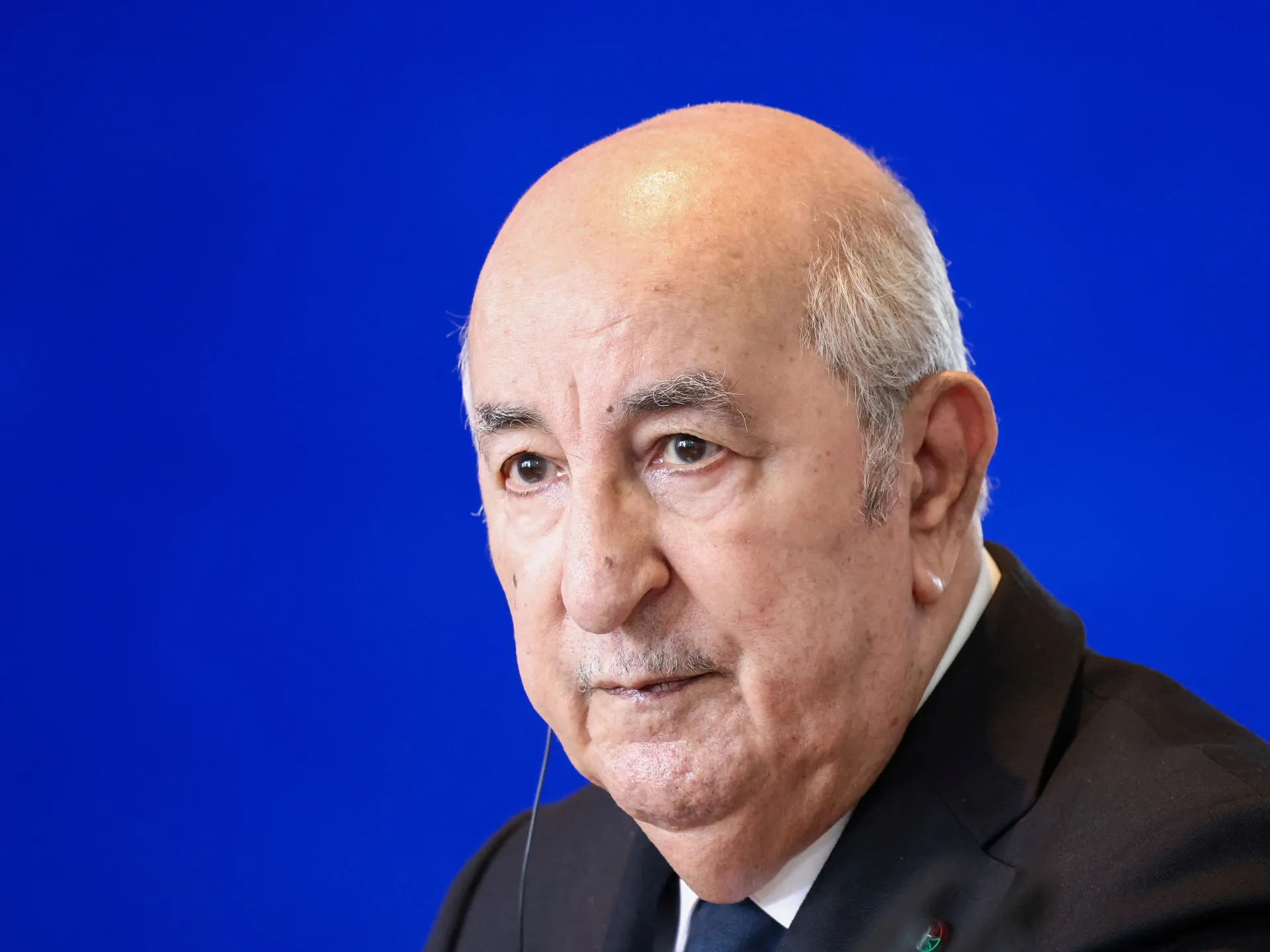
Algeria's president has ordered troops to Niger to protect shared energy and economic interests after legislative approval.
President Abdelmadjid Tebboune recently ordered military forces into Niger. Algeria shares a long border with this neighboring nation. The president wants to secure vital interests in the region.
Also, the government aims to protect shared energy resources. Both countries rely on these important economic assets. This mission serves to keep these interests safe from harm.
Next, the Algerian presidency announced this major decision on Monday. Officials confirmed the military movement through an official statement. This news clarifies the government's current security strategy.
Before this announcement, the Algerian parliament held an emergency session. Both houses of the legislature met on Sunday to discuss the plan. Lawmakers reviewed the proposal for a troop deployment.
After that, the parliament members officially approved the military action. Their vote gave the president the power to send soldiers across the border. The legislative branch fully supported this security measure.
Meanwhile, the deployment focuses on cross-border stability. Algeria considers its economic ties with Niger to be very important. These troops will monitor areas critical to energy production.
Still, the government maintains a clear goal regarding its neighbors. Protecting national wealth remains a top priority for Algeria. This action shows their commitment to regional economic security.
Finally, the military forces are now preparing for this mission. They will operate in regions near the shared border. The government expects these efforts to strengthen regional cooperation.
As a result, Algeria takes a firm stand on its border policies. The country values its energy partnerships with Niger. These soldiers play a key role in maintaining that partnership.
Now, officials monitor the situation closely. The deployment represents a strategic move for the North African nation. Algeria remains focused on protecting its long-term economic future.