
Balkan countries show no unified approach to the war in Gaza. Each nation balances domestic politics, defense profits, and alliances with the United States.
European nations generally a common view on the war in Gaza. However, Balkan countries show few common positions. Experts note that each nation follows its own unique path. These decisions often rely on domestic politics rather than a shared vision for the region.
In Bosnia and Herzegovina, the war highlights deep internal divisions. Bosniak leaders often express solidarity with Palestinians. Meanwhile, leaders in Republika Srpska maintain strong support for Israel. They see this as a way to build alliances against shared rivals.
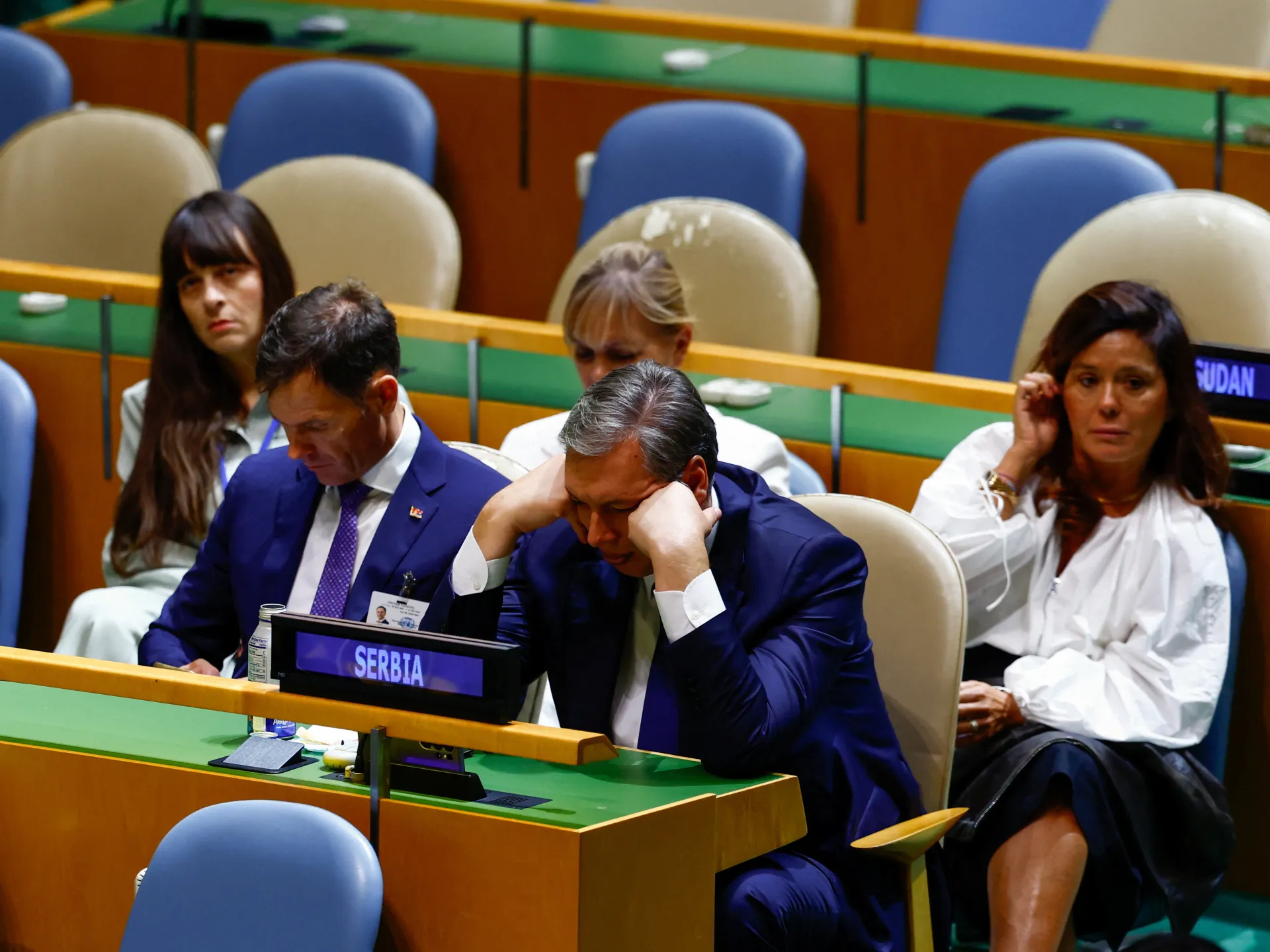
Next, Serbia balances profit with diplomatic caution. Belgrade continues to sell arms and ammunition to Israel. Officials hope these ties grant them access to American political circles. Critics warn that these exports could lead to accusations of complicity in the conflict.
Also, Kosovo and Albania keep their policies tied to the United States. Kosovo famously opened an embassy in Jerusalem to secure recognition. Albania focuses on security and cyber defense partnerships with Israeli firms. Both nations prioritize their Western alliances above all else.
Meanwhile, Croatia experiences a clear split between its top leaders. The Prime Minister follows standard European Union guidelines on the conflict. Conversely, the President openly criticizes Israeli military actions. This creates confusion regarding the nation's official diplomatic stance.
Further, Slovenia shows a sharp divide between political parties. Left-leaning groups previously pushed for strict sanctions against Israel. Conservative forces now try to reverse those policies. They view the current Israeli leadership as an ideological ally against perceived threats.
Additionally, nations like Montenegro and North Macedonia remain quiet. They follow standard NATO and EU statements to avoid controversy. Romania and Bulgaria also maintain a careful balance. They combine cautious UN voting with ongoing defense cooperation.
Finally, Greece continues its strong military partnership with Israel. Despite protests over the humanitarian crisis, they recently signed a large missile deal. Regional actors view these ties as transactional. They prioritize domestic needs, defense profits, and international influence over Middle Eastern policy goals.