
A tanker attack near Qatar highlights ongoing threats to regional shipping as the Emir reaffirms his commitment to peace and stability.
A new attack on a merchant tanker has shaken stability in the Gulf. Multiple projectiles hit the Acers oil and chemical tanker this week. The ship was sailing 51 nautical miles from Madinat al-Shamal. This location is deep inside the Gulf region.
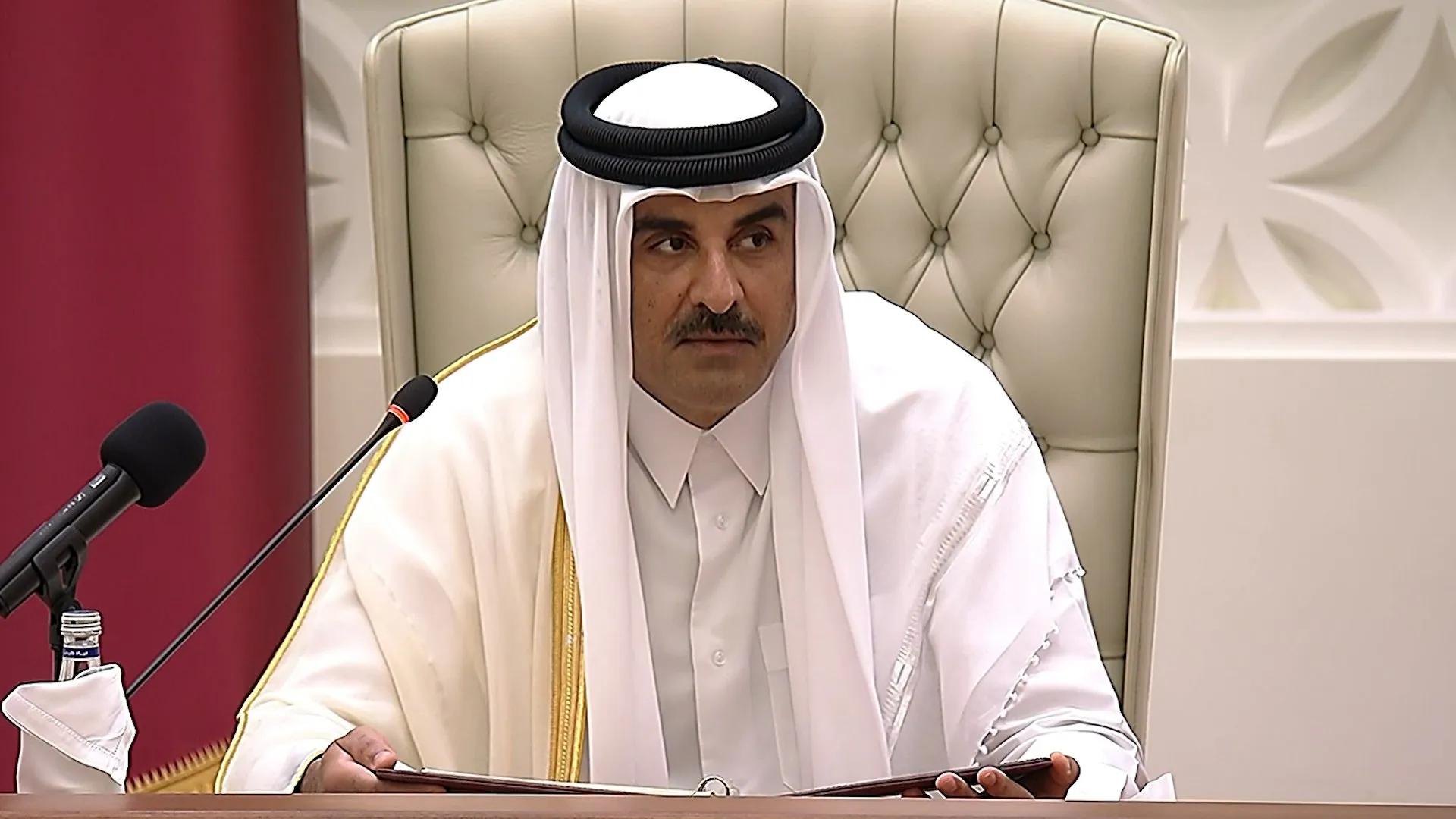
Meanwhile, Qatar’s leader spoke about regional security. Emir Sheikh Tamim bin Hamad Al Thani addressed the Shura Council recently. He described the Palestinian cause as his nation's top priority. He also pledged support for peace in Sudan, Libya, and Yemen.
Why this matters
This attack shows that regional violence remains a major threat. Shipping lanes near Qatar were previously considered safer than the Strait of Hormuz. Now, commercial vessels face dangers across a much wider area. Companies must rethink their safety plans for all crews.
Furthermore, these incidents threaten global energy supplies. The Gulf provides a large portion of the world's oil and gas. Any disruption forces prices higher for consumers everywhere. Governments now struggle to keep these vital trade routes open.
Dangerous waters and regional tension
The UK Maritime Trade Operations agency confirmed the strike on the Acers. Experts identified the ship as an Antigua and Barbuda-flagged vessel. Reports indicate that the attack caused casualties among the crew. This is the first incident this far west in some time.
Also, the wider region remains a conflict zone. The UN International Maritime Organization tracks these dangerous events. They report 93 confirmed attacks since the current war began in February. At least 24 brave seafarers have died in these clashes.
However, some reports provide conflicting data about other vessels. One firm initially reported a fire on a different tanker. They later clarified that no fire occurred on that ship. Such confusion highlights the difficulty of tracking safety in the area.
Navigating the war zone
The Strait of Hormuz remains the main point of struggle. Iran continues to target ships using specific routes. The US military currently provides protection for many tankers. These escorts help keep about 80 percent of oil exports moving.
Still, progress toward peace remains very fragile. A June agreement to reopen the waterway collapsed quickly. Tehran refuses to give up control over the vital path. Both sides continue to act aggressively despite earlier diplomatic efforts.
How we got here
- February 2026: War begins between the US, Israel, and Iran.
- June 2026: A temporary deal to reopen the Strait of Hormuz fails.
- September 9, 2026: An attack on the El Gaia tanker kills two sailors.
- October 2026: Multiple projectiles strike the Acers tanker north of Qatar.
What happens next
Shipping companies will likely increase security measures on their vessels. Many will avoid the area or use private armed guards. Insurance costs for these journeys will probably rise significantly soon.
Next, global leaders will monitor the situation for signs of escalation. Qatar may push harder for diplomatic solutions to regional crises. Peace remains unlikely while both sides view the waterway as a tactical weapon.