
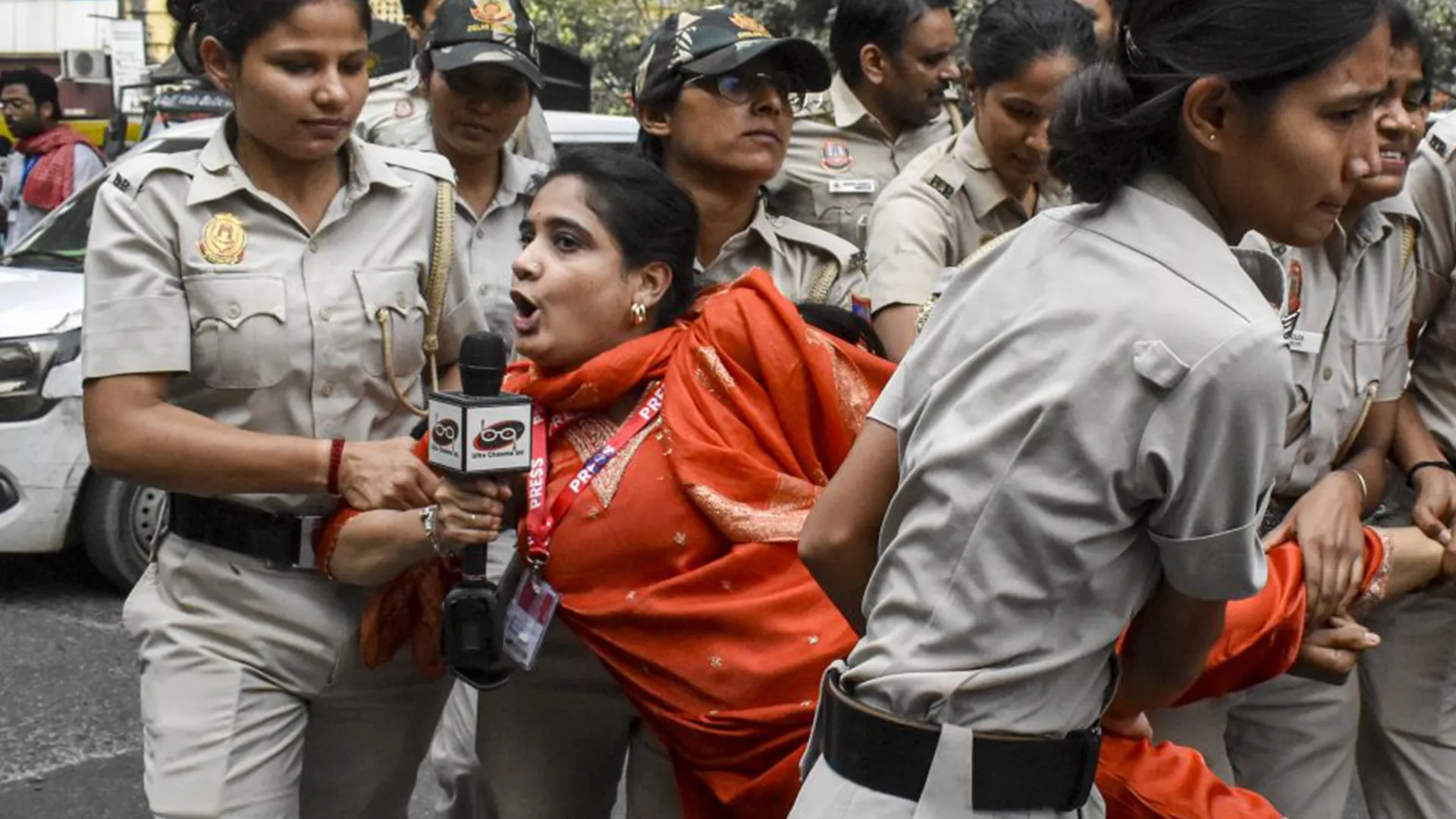
Thousands of protesters demand changes to voter rolls in New Delhi, while police detain dozens of journalists covering the unrest.
Thousands of protesters marched through New Delhi this week. They demanded changes to the national election process. The crowd walked to the Supreme Court to voice their anger.
Meanwhile, police detained thousands of people over the weekend. They also arrested at least 35 journalists. Officials claimed the reporters blocked police duties during the event.
Why this matters
This conflict threatens the core of India’s democratic system. Free speech faces new limits as authorities restrict media access. These tensions come at a difficult time for the nation.
Also, the country is still recovering from severe weather disasters. Floods recently damaged farms and homes near the Gandak River. The government now faces pressure on two different fronts.
However, the struggle over voter rolls creates deep distrust. Many citizens feel their right to vote is at risk. This fear drives the large crowds into the streets today.
The March for Democracy
Opposition leaders led the large march on Monday. Rahul Gandhi and other officials submitted a petition to the court. They want the chief election officer to resign immediately.
Then, police set up barricades across the capital city. They deployed thousands of security forces to block the routes. Many metro stations remained closed to stop more people from joining.
Next, supporters chanted slogans and waved flags from atop a bus. They gathered near Mandi House to support their leaders. Many protesters worried about losing their right to cast a ballot.
Disputes over Voter Lists
Opposition parties argue that officials removed millions of names from the rolls. They claim these changes help the ruling party. The Bharatiya Janata Party denies all these claims.
Also, the Election Commission says the process follows the law. They reject the idea that the list favors one side. The court now holds the power to decide the truth.
However, the legal process will take time to finish. Chief Justice Surya Kant promised a fair hearing. He said the court will look at the petition soon.
How we got here
- Late September 2026: Torrential rains cause the Gandak River to hit record levels.
- September 24-27, 2026: Heavy floods displace thousands of people in Nepal and India.
- Early October 2026: The government denies requests for protests citing public safety.
- October 10-11, 2026: Police detain thousands of protesters in Delhi over the weekend.
- October 12, 2026: Opposition leaders march to the Supreme Court to file a petition.
- October 13, 2026: Reports confirm police detained 35 journalists covering the ongoing unrest.
What happens next
The Supreme Court must now review the opposition's official request. Judges will determine if the voter list updates were legal. This ruling will likely shape the future of upcoming elections.
Meanwhile, the government will likely keep security levels very high. They want to prevent more unrest in the capital. Tensions between the public and police will probably remain high.