
A powerful earthquake rocks Panama while scientists study an ancient meteorite crater in Australia. NASA continues its mission to engage the public through sports.
Why this matters
Geologic history often hides in plain sight, just like the Spider Crater in Australia. These scars on Earth help scientists understand our planet's violent past. They reveal how space impacts shaped the world we live on today.
Meanwhile, modern events test our ability to handle disasters. Earthquakes show the thin line between safety and destruction in everyday life. Understanding both ancient impacts and current tremors keeps society alert to natural threats.
Also, public interest in science remains vital for progress. When agencies like NASA connect with sports fans, they spark curiosity in space. This engagement helps fund future missions and strengthens national interest in research.
The earth shifts in Panama
A strong 7.7 magnitude earthquake struck Panama on Friday. The United States Geological Survey reported the quake near Pitaloza Arriba. About 4.6 million people felt the ground shake during the event.
However, officials reported no casualties so far. Footage shows collapsed buildings in towns like Penonomé and Soná. One man called for help from under a pile of rubble.
After that, many people in Panama City evacuated their buildings. They gathered in parks while waiting for the shaking to stop. Damage in the capital city appears limited to falling roof debris.
Finally, the Panama Canal remained open and safe. The agency in charge said the waterway suffered no negative impacts. President José Raúl Mulino urged the public to stay calm.
A spider in the desert
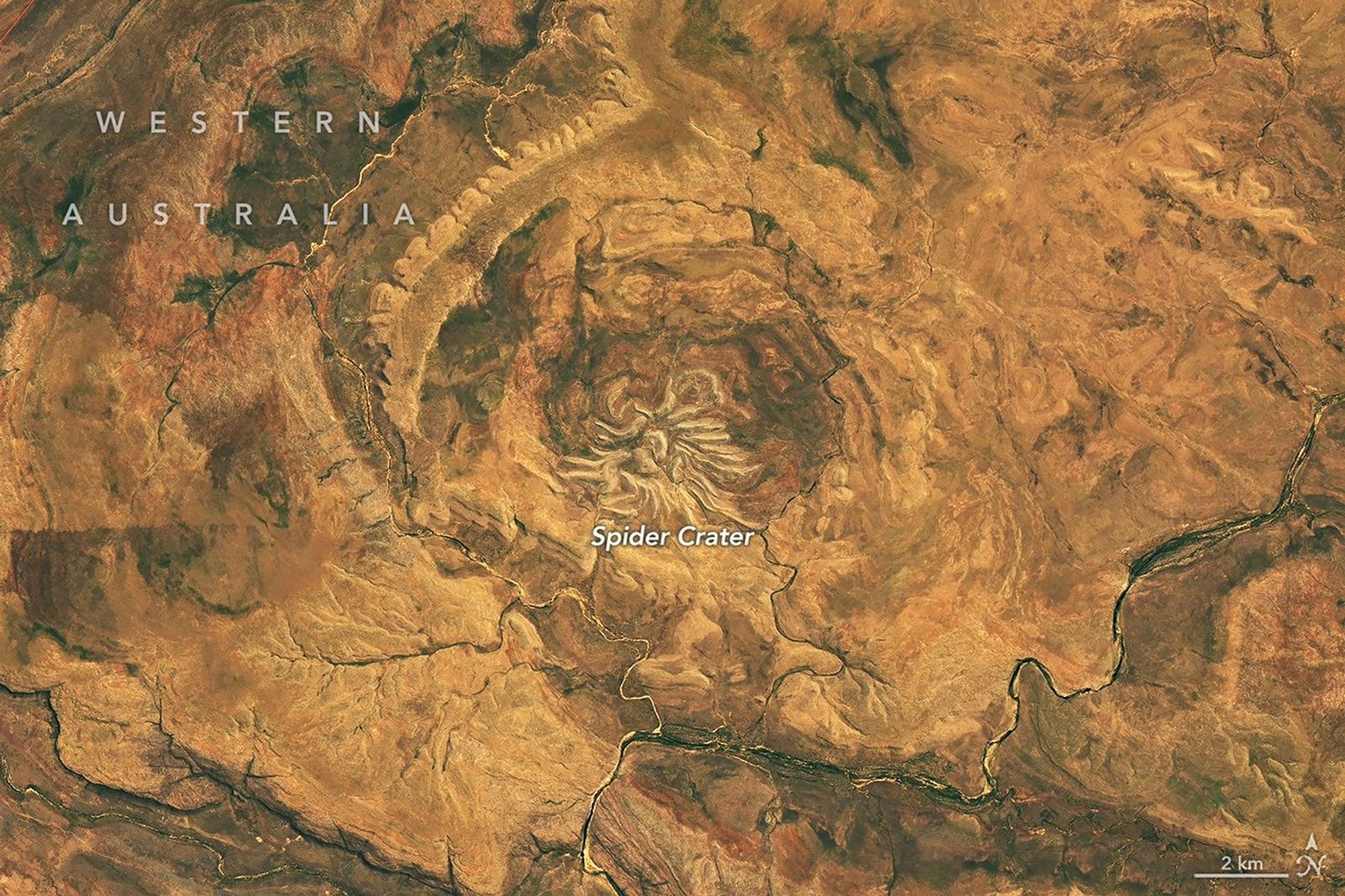
NASA recently highlighted a strange feature in Western Australia. Known as Spider Crater, this landform looks like an arachnid from above. It spans about 13 kilometers in total width.
Geologists suggest this site formed from a massive meteorite impact. The central part rose up during the initial shock. Erosion over time left behind light-colored sandstone ridges.
Next, scientists studied these rocks to confirm their origin. They found fan-shaped fractures called shatter cones in the center. These shapes only form during intense, high-speed impact events.
Still, experts cannot pin down the exact date of the crash. Estimates place the event between 900 million and 600 million years ago. This makes the crater a relic from the late Precambrian era.
How we got here
- 600 to 900 Million Years Ago: A massive meteorite strikes the Kimberley region of Australia.
- September 20, 2026: NASA’s Landsat 9 satellite captures high-resolution images of the Spider Crater.
- October 9, 2026: A 7.7 magnitude earthquake hits south-central Panama, impacting millions of people.
- October 10, 2026: NASA announces a new outreach tour involving NFL fan engagement events.
- October 11, 2026: NASA Administrator Jared Isaacman leads a flyover at the New York Jets game.
What happens next
Panama now enters a recovery phase after the earthquake. Authorities must check the structural safety of older buildings. They will likely review why the quake caused such damage.
Also, scientists will continue to monitor the region for aftershocks. These smaller tremors could complicate cleanup efforts for local residents. The government will focus on repairing homes for the elderly.
Meanwhile, NASA will proceed with its Inspiration Tour across the nation. They hope to inspire students and future engineers. The events will culminate in a large exposition in Florida this November.