
Global institutions face mounting pressure to restore public trust through legal action and reform. Meanwhile, national agencies balance these tensions with community events.
Accountability remains a central issue across the globe this month. From high-level legal rulings to local police scandals, institutions face intense pressure. Meanwhile, public organizations attempt to keep spirits high through community events.
These developments highlight a growing demand for transparency in leadership. Citizens now watch their officials more closely than ever before. Leaders must respond to these calls for justice or risk losing their mandate.
Why this matters
The core of this struggle involves the fragile bond between people and their leaders. When authority figures face criminal accusations, public trust crumbles quickly. A loss of trust makes it difficult for any government to function effectively.
Also, international bodies like courts must prove their relevance through firm action. If these groups fail, they may lose their power to influence world events. Real change requires more than just meetings or reports.
Finally, balancing national pride with hard truths creates a unique challenge. Agencies like NASA use public events to remind citizens of shared goals. Yet, these gestures cannot hide the deeper problems within society.
Turmoil inside South African law enforcement
South Africa faces a deep crisis within its police force. The deputy police chief, Shadrack Sibiya, recently resigned from his position. He faces very serious criminal charges including human trafficking and rape.
However, Sibiya denies all of these claims. He argues that his interactions with others were consensual. The police force labeled his departure as a dishonourable discharge because of his pending case.
Meanwhile, the Madlanga Commission continues to uncover corruption. This inquiry shows deep links between police officers and crime bosses. Officials now face pressure to clean up the force and restore order.
Human rights and the Rohingya crisis
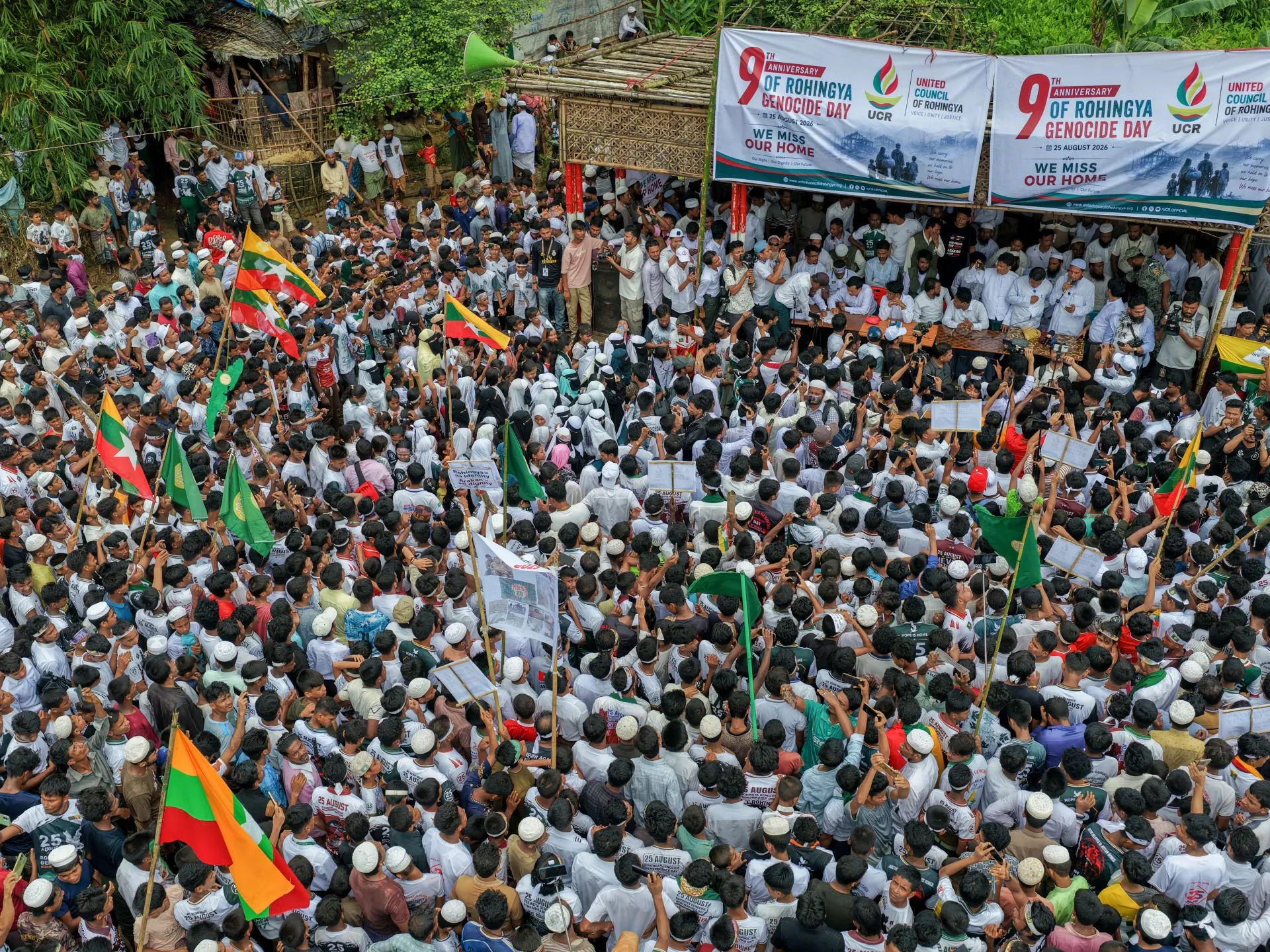
The Rohingya people continue to wait for justice after years of violence. The International Court of Justice prepares to rule on whether these acts constitute genocide. This decision could be a massive turning point for human rights law.
Still, many victims live in poor conditions while they wait. Food aid remains scarce, and sea travel remains deadly for those trying to escape. Advocates argue that simple resolutions are no longer enough.
Next, the Organisation of Islamic Cooperation must decide how to proceed. Their upcoming meeting in Baghdad will test their commitment to the Rohingya. They must turn past promises into real, protective action.
Public engagement during challenging times
While global leaders handle crises, agencies like NASA connect with the public. They recently held an "Inspiration Tour" event at a professional football game. This effort aims to highlight American innovation in space travel.
Then, the agency invited fans to interact with space technology. They displayed an inflatable rocket and shared goals for lunar missions. The goal is to build excitement for the future of flight.
Also, the agency plans a large public event in Florida this November. This exhibition will show off new aircraft and autonomous vehicles. It serves as a reminder of national progress despite current political struggles.
How we got here
- Nine years ago: Myanmar military forces began mass violence against the Rohingya.
- Last year: The Madlanga Commission began investigating police corruption in South Africa.
- September 27, 2026: NASA conducted a fighter jet flyover at a professional football game.
- Three weeks ago: Authorities arrested South Africa’s deputy police chief on sexual offence charges.
- October 12, 2026: Lawyers submitted the resignation of the deputy police chief in South Africa.
What happens next
The upcoming court ruling in The Hague will likely set a major legal precedent. If the court finds evidence of genocide, other nations may face new legal hurdles. This would force a global conversation on state responsibility.
Meanwhile, the situation in South Africa will likely remain unstable. More police officials might face questioning as the commission continues its work. The government must act quickly to prove it can still manage the police force.
Finally, international groups will watch the Baghdad meeting closely. Observers will look for concrete steps instead of just words. Only specific actions will satisfy those who have waited years for help.