
This report examines the rescue of endangered orangutans in Borneo and the heated controversy surrounding a new documentary in Israel.
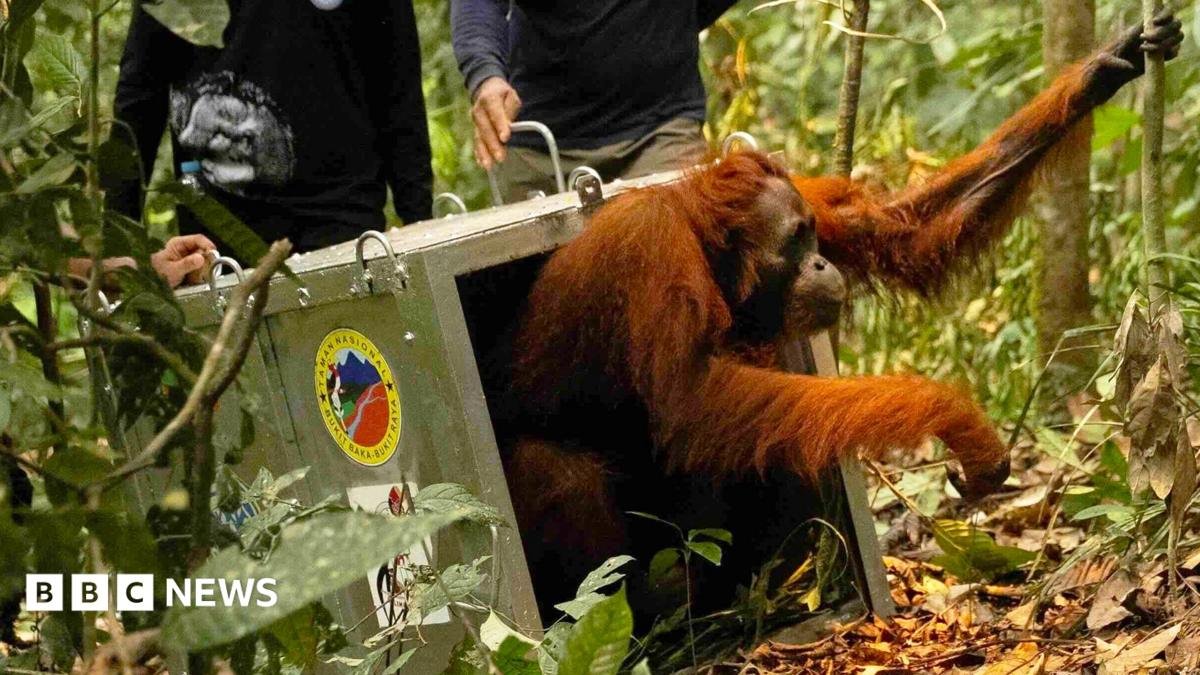
Eight orangutans now roam free in the jungles of Borneo. Wildlife experts released these apes after fires destroyed their homes. The group included three mothers and their young children. Two adult males also returned to the forest on Friday.
Meanwhile, a new documentary film causes tension in Israel. The film, titled NAZA, examines the war in Gaza. Many Israeli leaders refuse to watch this project. Some officials even threaten the filmmakers with legal actions.
Why this matters
These stories highlight how easily we lose touch with the truth. One story shows the cost of ignoring our natural world. The other shows how people choose to ignore difficult political realities. Both require us to pay closer attention to hidden events.
Also, the rise of digital crime threatens our daily peace. Scammers now use fake job offers to steal private data. They target unsuspecting people with texts that promise easy money. These criminals rely on our desire for quick financial relief.
A battle over truth and film
The film NAZA explores the term "collateral damage" during intense conflict. Its makers, Yuval Avraham and Rachel Szor, seek a wide audience in Israel. However, the film lacks a local distributor or any public screenings. Officials claim the film lacks professional standards, though many admit they have not seen it.
However, critics of the film express deep anger. They argue the film ignores the trauma of their own people. Many Israelis say they closed their hearts to stories from Gaza. They feel that showing these images disrespects victims of the war.
Next, experts note the dangers of these closed perspectives. Journalists like Raviv Drucker say reporting on such topics remains difficult. He argues that anonymous sources make the documentary less reliable. Still, the debate continues as the public remains divided on what to believe.
Orangutans find safety again
Indonesian authorities worked hard to these rare animals. They rescued 46 orangutans before the fires peaked in August. The teams carefully moved the apes to a safe reserve. This release marks a small but vital victory for conservation.
After that, the animals began exploring their new, protected habitat. Experts will track their progress to ensure they stay healthy. Protecting these endangered apes remains a massive challenge for the region. Future fires could threaten their safety again if protections do not hold.
How we got here
- August 2026: Wildfires destroy large sections of orangutan habitat in Borneo.
- September 2026: Authorities rescue 46 orangutans before the fire damage reaches them.
- September 16, 2026: Protesters demonstrate outside the home of a NAZA documentary co-director.
- September 18, 2026: Reports confirm the film lacks distribution due to intense political backlash.
What happens next
The rescued orangutans will likely remain in the monitored reserve for now. Conservationists hope to increase the population of these critically endangered apes. They will watch for signs of illness or stress in the newly released group.
Meanwhile, the debate over NAZA will likely grow louder. Filmmakers may try to release the documentary through online platforms instead. Israeli officials will continue to face pressure to clarify their stance on censorship. The public must decide if they will seek out the film themselves.
Finally, tech experts urge people to ignore suspicious job texts. Never click links in messages from unknown phone numbers. Always verify job offers through official company websites. Staying alert is the best way to prevent identity theft in this digital age.