
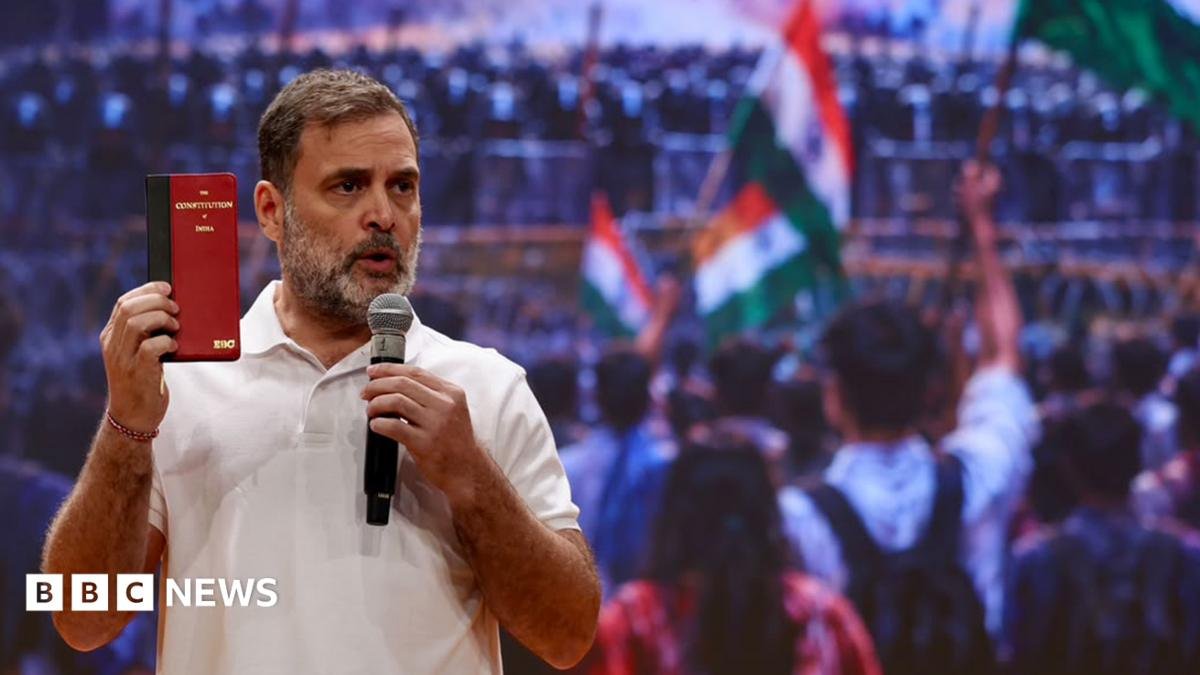
Indian opposition leaders are marching to the Supreme Court to demand the election chief's resignation. They allege voter list manipulation favors the ruling party.
Opposition leaders marched to India’s Supreme Court in Delhi on Monday. They demand that Chief Election Commissioner Gyanesh Kumar resign immediately. Thousands of security forces blocked roads throughout the capital city.
Rahul Gandhi led members of Parliament during the protest. He wants all groups who value democracy to join the cause. The protesters argue that the election commission is unfair.
Why this matters
The protests signal a major challenge to Prime Minister Narendra Modi. He has held power for over a decade. Critics worry that the government now controls neutral institutions.
Also, the fight involves the country's voter database. Experts note that 130 million names were removed from voter lists. This change disproportionately affects minority groups and the poor.
Meanwhile, the Election Commission insists that it remains independent. They reject all claims of bias. The Bharatiya Janata Party also denies any wrongdoing in the process.
Tensions rise in the capital
Authorities have locked down many parts of New Delhi. They closed metro stations and set up heavy police barricades. Gandhi told reporters that the government turned the city into a jail.
Next, the opposition leaders tried to meet with Chief Justice Surya Kant. He declined their meeting request. He noted that some issues are already pending before the court.
After that, the Chief Justice told the leaders to file a formal petition. He promised that the court would hear their legal concerns. The leaders plan to follow his advice.
The movement grows
A group called the Cockroach Janata Party also fuels these protests. They successfully helped remove the education minister earlier this summer. Now they target the election chief.
However, the government has detained thousands of student protesters. Reports suggest some students faced violence in police custody. This has created a climate of fear across the city.
Finally, Rahul Gandhi warned that the election chief could face treason charges. He remains firm in his demand for change. The movement continues to gain steam despite the intense police presence.
How we got here
- June 2025: The Election Commission began revising statewide voter lists across India.
- July 2026: Youth protesters forced the federal education minister to resign after successful rallies.
- October 4, 2026: Police detained demonstrators in New Delhi as tensions began to rise again.
- October 7, 2026: Officers briefly detained Rahul Gandhi during a central Delhi protest march.
- October 12, 2026: Opposition leaders marched to the Supreme Court to file formal complaints.
What happens next
Now, the opposition parties will likely file a formal petition with the court. They hope the judges will review the voter roll changes. The court must decide if the commission acted legally.
Also, the student groups promise to keep protesting at Jantar Mantar. They vow to stay on the streets until their demands are met. This will likely lead to more police clashes.
Finally, the government faces a tough choice. They can try to stop the protests with more force. Or, they may need to open a dialogue to calm the public anger.