
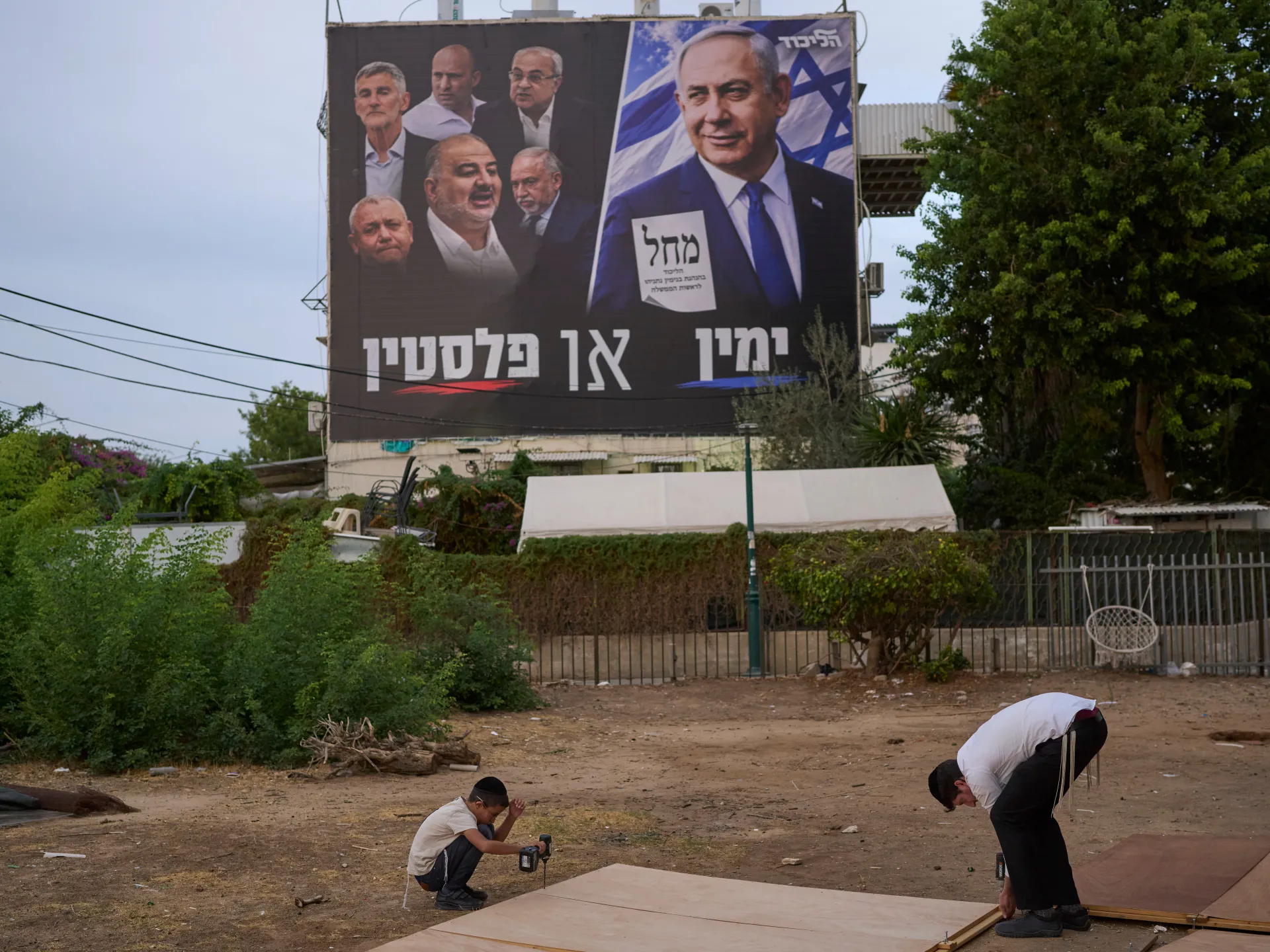
Israel prepares for a high-stakes election while managing a cooling diplomatic dispute with the United Kingdom.
Why this matters
Israel faces a major election on October 27. The outcome will decide the path of the war in Gaza. It will also shape relations with foreign nations. Voters must choose between keeping current leaders or picking new ones.
Also, the war creates deep divides inside the country. Many politicians now use harsh words to gain votes. This rhetoric pushes extreme views into the mainstream. It changes how people see the conflict and their neighbors.
Meanwhile, international ties are under great stress. The recent diplomatic fight with the United Kingdom shows this pressure. Countries are balancing their alliances against their concerns about the war. These tensions have real effects on local and global politics.
Election Stakes and Political Shifts
Prime Minister Benjamin Netanyahu faces a difficult race this month. He tells voters that he alone can keep them safe. He points to recent military actions to prove his strength. Critics argue he failed to protect the country during the 2023 attacks.
Then, unexpected events often influence his campaign message. He used a recent cockpit fight on a flight to argue for his leadership. He claims enemies plot against Israel before every vote. These tactics aim to keep voters focused on security.
Next, some political figures express extreme views to win support. Officials like Bezalel Smotrich suggest expanding the war efforts. Other leaders call for the total annexation of the Gaza territory. These ideas show a clear shift toward the political right.
Diplomatic Rows in Jerusalem
Israel and the United Kingdom recently faced a major diplomatic fight. Israel ordered the British consulate in East Jerusalem to close. This was a response to UK sanctions on Israeli settlements. The move threatened to hurt ties between the two allies.
However, the two nations reached a compromise this week. Most British diplomats must leave their posts. Israel will allow a small team of seven to stay. The building will now function as a limited mission.
After that, the British government stressed the work would continue. UK officials say the move was temporary for safety reasons. They want to keep their connection with the Palestinian people. The agreement prevents the dispute from getting worse for now.
How we got here
- October 7, 2023: Hamas led attacks in Israel, killing 1,139 people.
- Post-2023: Israel began a large war in Gaza that resulted in over 74,000 deaths.
- September 8, 2026: Israel announced plans to close the UK consulate in response to sanctions.
- September 29, 2026: Netanyahu warned of potential attacks before the upcoming election.
- October 2026: Israel and the UK agreed to reduce staff at the Jerusalem consulate instead of closing it fully.
What happens next
Voters will head to the polls on October 27. The results will reveal the nation's choice for its future. Analysts expect the debate over security to stay central. The new government will decide the next steps in the war.
Finally, international pressure will likely remain high. The UK and other nations will monitor the situation closely. Future diplomatic relations depend on how the next government acts. The region remains in a very unstable state.