
Tensions rise as the US manages a new Russian diesel deal and naval blockades in the Gulf of Oman.
The United States faces new challenges as it balances energy needs with global security. Recent military actions in the Gulf of Oman highlight growing tensions. Meanwhile, political friction between Washington and Kyiv grows over a new fuel deal.
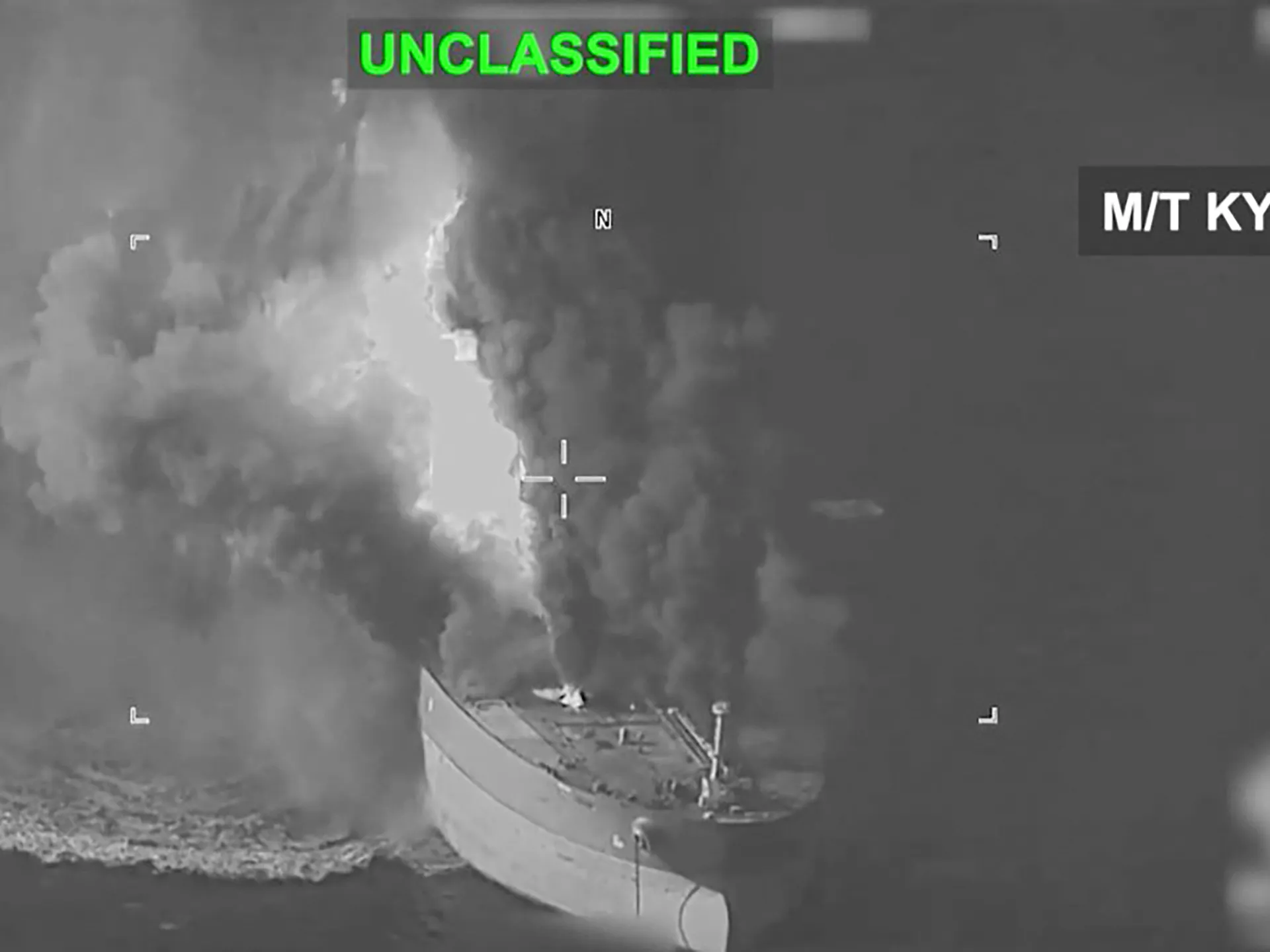
US forces recently disabled a cargo ship. The ship tried to bypass a blockade near Iran. This event shows how unstable the region remains for trade. Military officials continue to monitor the area for threats.
Why this matters
These events show the difficult choices facing the current US administration. High fuel prices force the White House to find new supply chains. Russia holds a key role in global diesel markets. This reality forces a pragmatic shift in how the US handles sanctions.
However, this strategy creates deep rifts with key allies like Ukraine. President Zelensky argues that the deal helps fund Russia's war. He believes the move undermines his nation's fight for safety. The diplomatic fallout could shift how NATO nations view American leadership.
Also, the situation in the Middle East complicates oil flows. The Strait of Hormuz remains a dangerous choke point for tankers. If shipping stops, global energy costs will likely rise again. This puts more pressure on the White House to secure trade routes.
Military and Diplomatic Shifts
US Central Command confirmed the encounter in the Gulf of Oman. A vessel attempted to break the blockade on Iranian goods. Forces moved quickly to stop the ship's progress. This action follows previous naval clashes in the region.
Meanwhile, the White House announced a temporary suspension of sanctions. This deal allows Russian diesel exports to reach global markets. The pause remains in effect until April 7. Officials claim this helps stabilize domestic fuel prices for Americans.
However, Kyiv strongly opposes this agreement. President Zelensky says the money funds Russian attacks on civilian targets. He recently spoke with UK leaders about these concerns. Both sides agreed that the war threatens global energy security.
How we got here
- 2022: Russia launches a full-scale invasion of Ukraine.
- 2026: US and Israel launch a military campaign against Iran.
- September 2026: US forces destroy tankers linked to Iranian military groups.
- October 2026: The US announces a deal to allow Russian diesel exports until April.
- October 2026: US forces disable a ship attempting to run the Iran blockade.
What happens next
The US government must now manage the growing anger from European partners. President Trump suggests Ukraine needs new leadership to make deals. This rhetoric suggests the US will continue to prioritize its own economic needs. Future negotiations will likely focus on containing fuel prices.
Next, military leaders will keep a tight watch on the Strait of Hormuz. More attempts to break the blockade are possible in the coming months. These patrols will require constant vigilance from naval assets. The outcome depends on whether Iran continues to challenge these patrols.
Finally, the world will watch the impact of the Russian diesel deal. If prices fall, the administration may claim a policy win. If the war in Ukraine worsens, the White House could face more backlash. The coming winter will test these complex geopolitical strategies.